
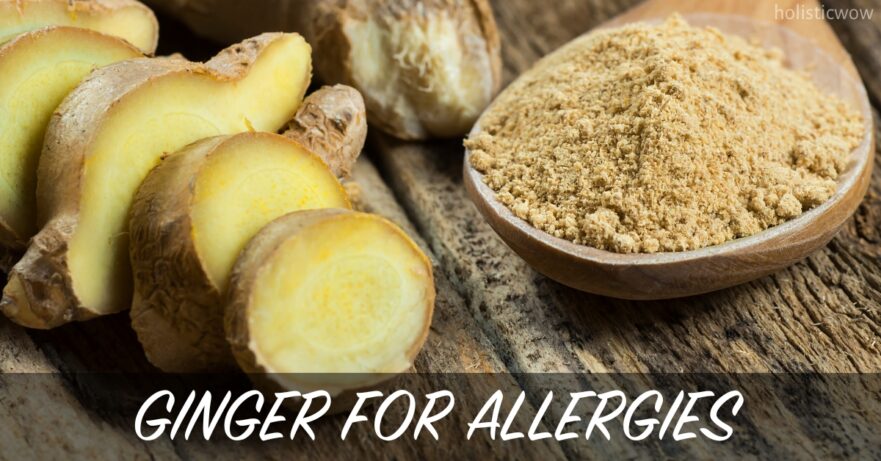
Ginger for allergies is gaining attention as a natural remedy due to its powerful anti-inflammatory and antihistamine properties, which can help relieve symptoms like nasal congestion, sneezing, and itchy eyes. Incorporating ginger into your diet or using it in teas may offer an effective, gentle way to manage allergy symptoms naturally.
Key Takeaways
- 🌱 Natural Allergy Relief: Ginger has natural anti-inflammatory and antihistamine properties, which may help lessen common allergy symptoms like sneezing, runny nose, and itchy eyes.
- 🍵 Easy to Add to Your Routine: You can incorporate ginger into your diet through teas, meals, or supplements, offering a simple way to potentially support your body’s allergy defenses at home.
- 🛡️ Immune Support and Balance: Regular use of ginger may help balance the immune response and calm allergic reactions, making allergy flare-ups less intense for some individuals.
- ⚠️ Use With Care: Although ginger is generally safe, some people can be allergic to it; always start with small amounts and consult your doctor if you notice any unusual symptoms or before starting supplements.
What Are the Benefits of Using Ginger for Allergies?
Ginger offers several potential benefits for allergies, primarily due to its natural anti-inflammatory and anti-allergic activity.
It may help ease allergy symptoms by reducing the production of cytokines—chemical messengers that can trigger mast cell activation, which plays a key role in allergic rhinitis.
Ginger extract may help decrease symptoms of allergic rhinitis, such as a runny nose and itchy eyes, and could contribute to improved quality of life for those affected, though more large human clinical trials are needed to confirm these effects.
Incorporating ginger into your daily routine—whether through meals, as a herbal remedy, or in the form of ginger tea—may help provide gentle, natural symptom relief for some people.
Its ability to support respiratory comfort and act as a mild natural antihistamine makes ginger a versatile addition to natural allergy management strategies.
By using ginger extract regularly, you might also experience fewer disruptions from allergy symptoms during peak seasons.
What Is the Anti-Allergic Activity of Ginger?
Ginger’s anti-allergic activity is largely due to its anti-inflammatory and immunomodulatory properties.
It may help suppress the production of cytokines—chemical messengers that can trigger mast cell activation, a key step in allergic reactions.
The natural compounds 6-shogaol and 6-gingerol found in ginger have shown promising antiallergic effects.
These components may help reduce allergic responses, making ginger a potential natural option for easing symptoms of conditions like allergic rhinitis.
By incorporating ginger into your diet or using it as a supplement, you could potentially experience relief from common allergy symptoms and help calm overactive immune responses that worsen allergies.
Ginger’s natural ability to soothe tissue inflammation may contribute to less severe allergy flare-ups.
However, individuals with a known ginger allergy should avoid its use and consult a healthcare provider before starting any new supplement.
What Are the Antiallergic Effects of Ginger?
Ginger may help reduce nasal symptoms such as sneezing, nasal congestion, and itching, which are common in allergic rhinitis.
Its antiallergic effects have been observed in animal studies, where ginger was shown to lessen nasal rubbing and sneezing triggered by allergens.
Active compounds in ginger, such as 6-gingerol and 6-shogaol, may help inhibit allergic reactions and reduce the production of inflammatory cytokines.
The regular use of ginger may help support a more balanced immune response and offer lasting comfort from clinical symptoms of allergies.
Ginger’s natural ability to block allergy-related inflammation positions it as an appealing option among natural antihistamines.
This suggests that ginger could potentially act as a natural antihistamine and support relief from clinical symptoms of allergies.
How Does Ginger Help with Allergic Rhinitis?
Ginger may help with allergic rhinitis by reducing inflammation and suppressing mast cell activation, which can lower the release of histamine and other chemicals that trigger allergy symptoms.
This anti-allergic activity may improve nasal congestion and increase nasal cavity volume, helping relieve common symptoms of allergic rhinitis (AR) such as a stuffy or runny nose.
Studies suggest that ginger extract may also help regulate immune responses by affecting levels of immunoglobulin E (IgE), a key antibody involved in allergic reactions.
These effects make ginger a promising natural option for supporting the management of allergic rhinitis symptoms, although it is not a substitute for standard allergy treatments.
By integrating ginger extract into a broader allergy management plan, you may experience improved breathing comfort and reduced irritation during allergy seasons.
Ginger’s ability to limit the chain reaction of immune responses emphasizes its usefulness in allergic rhinitis care.
Can Ginger Be Used as a Natural Antihistamine?
Yes, ginger may be used as a natural antihistamine.
It can help inhibit the release of histamine and other inflammatory mediators, which are involved in allergic reactions.
This gives ginger potential antiallergic effects and makes it a promising option for managing mild allergy symptoms naturally.
By helping to reduce these inflammatory responses, ginger supplements may help ease symptoms commonly associated with allergies, such as sneezing, runny nose, or itching.
Ginger’s natural properties can help support everyday wellness for those sensitive to allergens, providing an alternative to pharmaceutical antihistamines.
Additionally, its antioxidant components may further protect against tissue irritation caused by histamine release.
While more human studies are needed, ginger is one of several natural antihistamines that may support allergy relief.
How Do Ginger’s Immunomodulatory Properties Affect Allergies?
Ginger’s immunomodulatory properties may help regulate the body’s immune response to allergens, which could potentially ease allergy symptoms.
Research suggests that ginger can help stabilize mast cells—immune cells that play a key role in allergic reactions.
By reducing mast cell activation, ginger may decrease the release of histamine, a chemical that triggers common allergy symptoms like sneezing, itching, and congestion.
This stabilization may lead to a less intense allergic response, potentially reducing the severity of allergic reactions.
With regular use, ginger’s immunomodulatory qualities could help promote resilience against recurring allergic episodes.
Its immune-balancing mechanisms offer an appealing way to reduce allergy severity naturally.
While more research is needed, ginger’s ability to modulate the immune system shows promise as a natural way to help manage allergies.
However, it’s important to note that some individuals may have a ginger allergy, so anyone with known sensitivities should use caution.
How Does Ginger Affect Immunoglobulin E (IgE) Levels?
Ginger may help reduce Immunoglobulin E (IgE) levels by suppressing the release of allergen-specific IgE in the blood.
IgE is a key antibody involved in triggering allergic reactions, including those seen in conditions like allergic rhinitis.
By lowering IgE production, ginger could potentially ease allergy symptoms.
These effects have primarily been observed in animal and laboratory studies; more research in humans is needed to confirm their significance.
Lower IgE levels may translate to fewer and less severe allergic reactions, making ginger an attractive natural aid for those seeking antiallergic effects.
Ginger’s influence on IgE highlights its potential as both a preventive and therapeutic option in allergy management.
These natural antiallergic effects suggest that ginger may support the body’s response to allergens and help reduce the severity of allergic reactions.
Is Ginger Effective Against Environmental Allergens?
Ginger may help relieve symptoms caused by environmental allergens.
Research suggests it can reduce signs of allergic rhinitis, such as sneezing and nasal congestion.
Its anti-inflammatory and immunomodulatory properties contribute to this effect by helping to regulate the immune response and potentially reducing the release of histamine from mast cells.
This gives ginger promising anti-allergic activity and makes it a natural option that could support the management of allergies triggered by environmental factors.
By diminishing inflammation in nasal passages, ginger may provide a soothing effect for those exposed to pollen, dust, or mold.
Its bioactive compounds enhance your body’s ability to rebound from allergic stressors in your environment.
However, more large, well-designed human studies are needed to confirm these benefits.
What Is the Therapeutic Efficacy of Ginger in Allergic Reactions?
Clinical studies suggest the therapeutic efficacy of ginger in allergic reactions, particularly in cases of allergic rhinitis.
Ginger extract has been found in some studies to help reduce total nasal symptom scores, including sneezing and nasal congestion.
It may also improve quality of life by easing discomfort related to allergy symptoms.
In some studies, ginger has shown similar effectiveness to certain conventional antihistamines, with fewer reported side effects.
This makes it a potentially favorable natural option for managing allergy symptoms while supporting overall well-being.
Ginger’s role in minimizing drug-related side effects and promoting patient comfort is especially noteworthy.
Its ability to address multiple allergy symptoms through one herbal therapy can streamline your routine and foster adherence to allergy care.
Nonetheless, these findings are preliminary, and ginger should not be considered a replacement for conventional medical therapy without your healthcare provider’s guidance.
How Can Ginger Be Incorporated in Herbal Remedies for Allergies?
Ginger can be incorporated into herbal remedies for allergies in several ways: add it to teas, add it to smoothies, add it to meals, use capsules or extracts, and use fresh or dried ginger in cooking.
Using these various forms provides versatility for natural allergy treatments.
Ginger enhances flavor and may help ease allergy symptoms in some people due to its anti-inflammatory properties.
Drinking ginger tea or using ginger as an herbal supplement could potentially support your body’s response to allergens.
Summary: Adding ginger to your daily diet not only introduces a flavorful ingredient but might also offer immune support and symptom relief as part of your broader allergy strategy.
By harnessing ginger’s soothing properties, herbal remedies become a more pleasant and adaptable approach to managing allergies.
Incorporating ginger into your diet is a simple and natural way to complement other allergy management strategies.
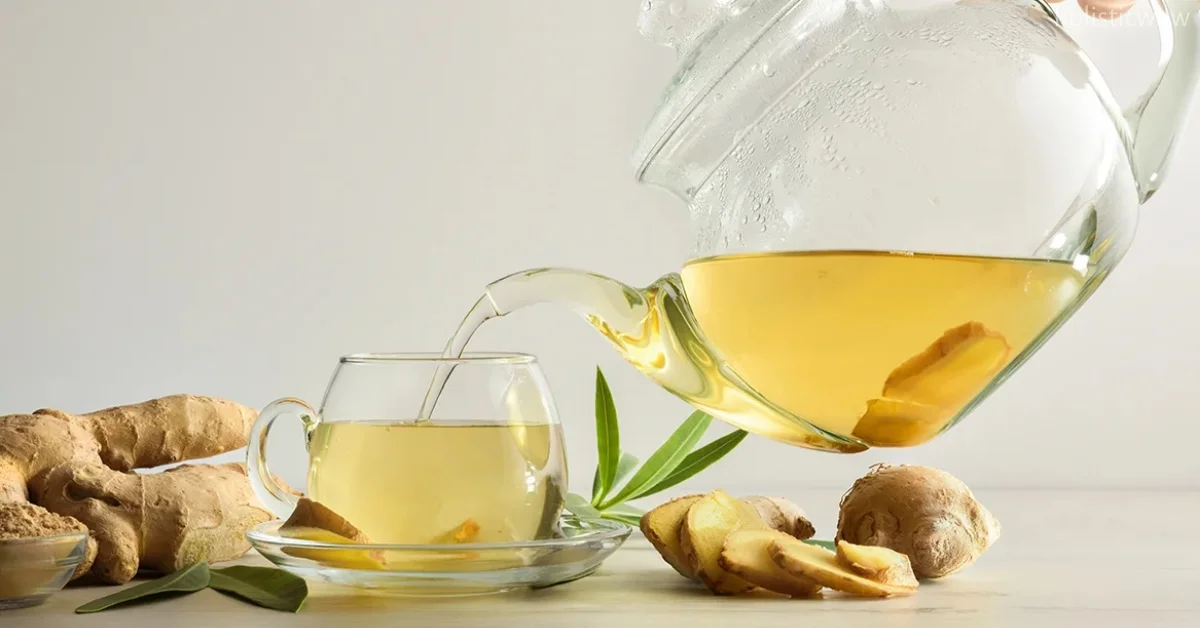
How Can Ginger Tea Help with Allergy Symptoms?
Ginger tea may help alleviate allergy symptoms by offering anti-inflammatory properties and possibly having mild antihistamine-like effects.
These effects may help soothe the respiratory tract and reduce discomfort caused by allergic reactions.
Drinking ginger tea could potentially ease nasal congestion and other mild symptoms related to seasonal allergies, making it a comforting and natural remedy.
Its ability to reduce inflammation may contribute to less severe allergic reactions, especially when used alongside other allergy management strategies.
The warm, calming nature of ginger tea delivers both hydration and active compounds that support easier breathing during allergy season.
Consuming ginger tea regularly may foster ongoing allergy resilience and daily comfort.
However, it is not a substitute for medical treatment in moderate to severe allergies.
What Role Does Ginger Play in Cooking for Allergy Relief?
Ginger plays a helpful role in cooking for allergy relief due to its natural anti-inflammatory properties.
It may help ease mild symptoms for some people by reducing inflammation that can contribute to allergic reactions.
Using fresh or dried ginger in soups, stir-fries, and teas not only enhances flavor but also adds versatility to meals.
Ginger tea, in particular, is a popular herbal remedy that may offer soothing benefits during allergy season.
Culinary use of ginger enables easy integration into daily life, ensuring consistent exposure to its protective compounds.
By adding ginger to recipes, you can create delicious meals that may also offer subtle support for allergy relief.
Incorporating ginger in cooking is a simple and accessible way to explore natural support for allergy symptom management.
As with any herbal remedies, it’s best to use ginger as part of a balanced approach and consult your healthcare provider if you have concerns.
Should Ginger Supplements Be Used for Allergies?
Ginger supplements may help support allergy relief and can be considered a natural alternative to conventional antihistamines for some individuals.
They are especially appealing for individuals looking for a herbal supplement to help manage mild allergy symptoms.
However, it’s important to consult with a healthcare professional before starting any supplement regimen.
This helps ensure safety and effectiveness, particularly if you have existing health conditions or take medications that could potentially interact with ginger.
Ginger should be used to complement—not replace—prescribed allergy treatments.
When used appropriately, it may offer additional support in managing mild allergic reactions.
For those seeking a plant-based, holistic remedy, ginger supplements may provide gentle yet effective symptom control.
Consistent supplementation may also help maintain a healthier baseline immune response to potential allergens.
Routine supplementation is not universally recommended for allergies, and self-treatment of significant allergy symptoms is not advised.
What Are the Risks of Ginger Allergy?
While ginger is generally safe for most people, some individuals may experience a ginger allergy.
Signs of an allergic reaction can include skin rashes, itching, or gastrointestinal discomfort.
If you have a history of food allergies or are prone to hypersensitivity reactions, it’s a good idea to use caution when trying ginger for the first time.
Talk to your doctor if you notice any unusual symptoms after consuming it.
Severe allergic reactions to ginger are rare but can occur; seek medical attention for any serious symptoms such as swelling, difficulty breathing, or anaphylaxis.
Staying mindful of allergy history and monitoring new reactions can help you avoid unwanted complications from ginger allergy.
Prompt recognition and management ensure better outcomes for those with potential sensitivities.
What Are the Symptoms of a Ginger Allergy?
Symptoms of a ginger allergy may include skin reactions such as rashes, hives, or itching; gastrointestinal issues like nausea, vomiting, or abdominal discomfort; and respiratory symptoms including wheezing, coughing, or difficulty breathing.
If you notice any of these allergic reactions after consuming ginger, it’s important to seek medical attention promptly, as these clinical symptoms could indicate a ginger allergy.
Severe reactions may require emergency care.
By quickly identifying these warning signs, you help ensure effective management and protection from serious complications related to ginger allergy.
Awareness of potential symptoms can empower individuals with known sensitivities to act promptly and safely.
Herbal Preparations and Recipes for Allergies
Herbal remedies can help manage allergy symptoms by utilizing the natural anti-inflammatory and antihistamine properties of certain herbs. Ginger, in particular, has shown promise in alleviating symptoms associated with allergic rhinitis. The following recipes incorporate ginger to support respiratory comfort and reduce allergy-related inflammation.
Always consult a healthcare provider before starting any new herbal regimen, especially if you have existing health conditions or are taking medications.
Soothing Ginger Tea for Allergies
Ingredients:
- 1 teaspoon dried ginger root
- 1 cup boiling water
Preparation:
- Place the dried ginger root in a teapot or cup.
- Pour boiling water over the ginger.
- Cover and steep for 10 minutes.
- Strain and drink warm. You may add honey or lemon for flavor if desired.
Drink 1–2 cups daily as needed to help ease allergy symptoms.
This simple ginger tea may help reduce inflammation and support respiratory comfort for those experiencing seasonal allergies or mild congestion.
Warnings: Ginger can cause mild gastrointestinal upset, heartburn, or diarrhea in some individuals. Avoid if you have a known allergy to ginger or are taking blood-thinning medications. Consult your healthcare provider before use if pregnant, breastfeeding, or on regular medication.
Ginger and Herbal Allergy Relief Blend
Ingredients:
- ½ teaspoon dried ginger root
- ½ teaspoon dried nettle leaf
- ½ teaspoon dried chamomile flowers
- ½ teaspoon dried peppermint leaf
- 1 cup boiling water
Preparation:
- Combine all dried herbs in a teapot or infuser.
- Pour boiling water over the herbs.
- Cover and steep for 15 minutes.
- Strain and drink warm. You may add a touch of honey for taste if desired.
Drink 1 cup 2–3 times daily during allergy season or as needed.
This herbal blend combines ginger, nettle, chamomile, and peppermint for a soothing tea that may help reduce allergy-related inflammation, ease sinus discomfort, and promote a sense of calm.
Warnings: Ginger may cause mild digestive upset or interact with blood thinners. Nettle can occasionally upset the stomach and may interact with blood pressure medications or blood thinners. Chamomile may cause allergic reactions, especially in those with allergies to plants in the daisy family. Peppermint may cause heartburn in sensitive individuals. Consult a healthcare provider before use if you are pregnant, nursing, have known allergies, or take regular medications.
These herbal preparations are designed to complement, not replace, conventional treatments for allergies. Consult a healthcare provider before use, especially if you have health conditions or take medications.