
Ginger for depression is gaining attention for its potential to naturally boost mood, reduce anxiety, and support emotional well-being through its anti-inflammatory and antioxidant properties. Emerging research suggests that incorporating ginger into a balanced diet may help alleviate depressive symptoms by promoting brain health and regulating neurotransmitters like serotonin.
Key Takeaways
- 🧘♀️ Stress and Mood Support: Ginger can help soothe feelings of stress and gently support emotional balance, making it a simple natural addition for housewives seeking everyday mood-boosting self-care.
- 🧠 Gut-Brain Connection: By promoting a healthy gut, ginger may benefit not just your digestion but also your mood and mental resilience, highlighting the power of wholesome foods for emotional health.
- 🔥 Anti-inflammatory & Antioxidant Power: The natural compounds in ginger can help fight inflammation and protect the brain from daily stress, potentially easing aches and supporting sharper thinking as you manage daily routines.
- 🍵 Easy Incorporation into Daily Routine: Enjoying ginger tea or adding ginger to recipes can be a relaxing way to uplift your mood, improve energy, and gently care for your overall wellness at home.
What Are the Medicinal Properties of Ginger for Holistic Healing?
Ginger is recognized for its medicinal properties, particularly in holistic healing.
Studies suggest that ginger may help reduce some symptoms of anxiety and promote emotional health, although more research in humans is needed to understand these effects.
This makes ginger a potentially helpful addition to wellness routines that focus on the mind-body connection and aim to support resilience against stress.
Some research suggests that ginger may help alleviate symptoms of anxiety, supporting holistic approaches that emphasize overall well-being.
Additionally, ginger contains natural compounds with anti-inflammatory and antioxidant effects, which have been shown to reduce markers of inflammation and help combat oxidative stress in laboratory and animal studies.
In humans, ginger may help reduce inflammation in conditions like arthritis, though its effects on inflammation related to mental health are still being investigated.
Ginger’s medicinal properties extend to promoting immune system health and reducing cellular damage, making it especially valuable when aiming for holistic healing.
These antioxidant properties may also play a role in protecting the brain from oxidative damage, which has been linked to mental health conditions such as depression and anxiety.
By acting as a natural defense against free radicals, ginger may help preserve cognitive health and support emotional equilibrium in stressful times.
However, while these mechanisms are plausible, clinical trials directly linking ginger to prevention or improvement of depression and anxiety in people remain limited.
While more research is needed, using ginger for depression and emotional health shows promise as part of a broader, balanced approach to mental wellness.
By incorporating ginger into a healthy diet, individuals may support emotional health and build resilience against stress-related conditions.
Ginger’s potential benefits for inflammation, brain health, and mood make it a valuable component of holistic healing, and its antioxidant effects may help maintain overall vitality.
What Is the Role of Ginger in Treating Depression?
Ginger has been studied for its potential role in treating depression, and research suggests it may help reduce symptoms of both anxiety and depression.
Most of this evidence comes from animal studies, with limited but promising data in humans.
This makes it a promising addition to dietary strategies focused on mental well-being, a field known as nutritional psychiatry.
Incorporating ginger for depression into a wellness routine may add natural support for mood stabilization and overall emotional health.
Compounds found in ginger, such as gingerols, may contribute to mood improvement by influencing neurotransmitters like serotonin, which plays a key role in mood regulation.
While more research is needed, these findings point to a possible antidepressant action of ginger.
These active constituents may offer support for stress management and promote positive emotional responses.
In addition, ginger’s antioxidant and anti-inflammatory properties could potentially support emotional health by helping to reduce oxidative stress and neuroinflammation—factors that have been linked to depression.
These mechanisms may help protect brain cells and encourage better mental resilience.
Incorporating ginger into a balanced diet may offer supportive benefits for emotional well-being, especially when used alongside other healthy lifestyle practices.
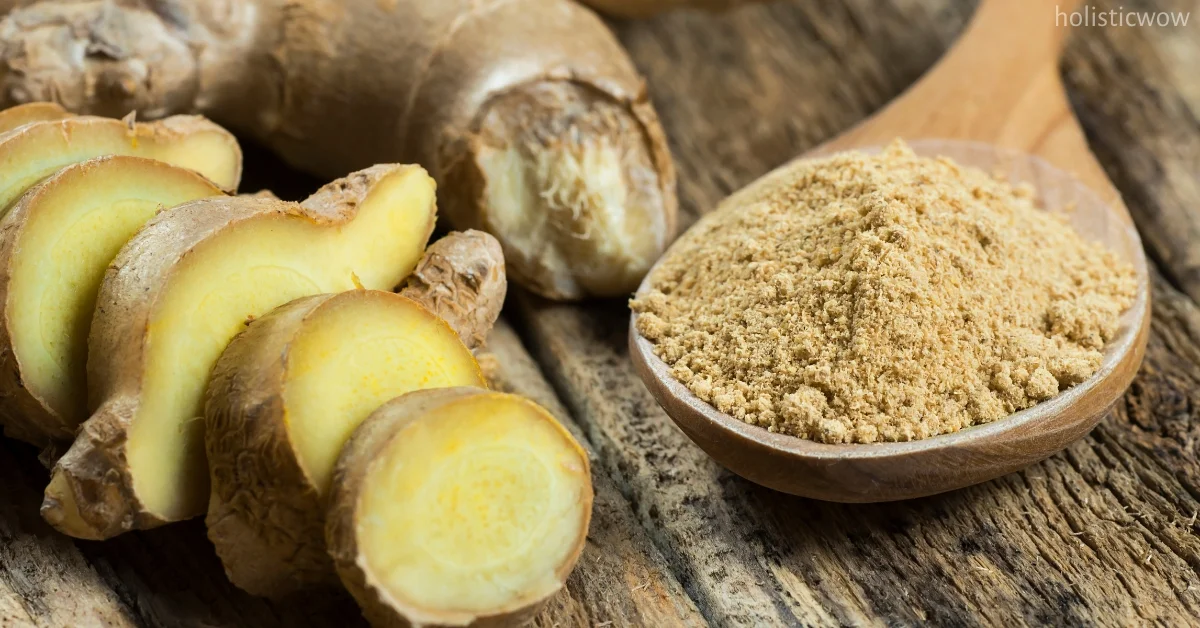
What Is the Connection Between Ginger and Stress Relief?
Ginger may aid in stress relief by supporting the body’s ability to manage anxiety.
Its natural anti-inflammatory properties may help decrease physical stress responses, which can contribute to a greater sense of well-being.
Ginger’s calming effects may also help modulate cortisol levels, leading to improvements in stress-related symptoms.
Ginger’s potential to provide mood boosts may also support emotional health, making it a helpful addition to stress management strategies.
Including ginger in your diet could potentially help you cope better with everyday stress.
Beyond supporting stress relief, ginger can encourage restful sleep, which is key to emotional recovery and resilience.
The antioxidants in ginger may play a role in brain health and emotional regulation, possibly through effects on neurotransmitters like serotonin, though this has primarily been shown in preclinical studies.
Drinking ginger tea may offer a calming effect that helps reduce anxiety and encourages relaxation.
Many people find that switching from caffeinated beverages to ginger tea helps them manage stress more effectively.
This change may also offer additional mental health benefits, such as improved focus and a more stable mood, and may even support the use of ginger for depression as part of a broader wellness approach.
How Does Ginger Influence Cognitive Function and Mood Improvement?
Ginger may influence cognitive function and mood improvement through its antioxidant and anti-inflammatory properties.
These effects may help reduce oxidative stress and neuroinflammation in the brain, which could support mental clarity and emotional balance, though most evidence for cognitive effects is preliminary.
By lowering inflammation, ginger may also help preserve memory and enhance attention span.
Ginger contains active compounds like gingerol, which may interact with neurotransmitters such as serotonin.
Preclinical research suggests that this interaction could help regulate mood and support emotional well-being, but more human studies are needed.
This mechanism adds to ginger’s role as a natural brain health booster, potentially offering resilience against cognitive decline.
Additionally, drinking ginger tea may support cognitive function by promoting healthy blood flow to the brain, which could have benefits for attention and focus—though clinical evidence is limited and mostly anecdotal.
Regular intake of ginger might also aid in maintaining sharper thinking and improved mental energy.
Incorporating ginger into your diet may offer natural support for cognitive function and mood improvement, thanks to its potential antioxidant and anti-inflammatory benefits.
How Does the Gut-Brain Connection Relate to Ginger’s Effects on Depression?
The gut-brain connection plays a crucial role in understanding ginger’s potential effects on depression.
Ginger may help support gut health, which is closely linked to emotional health through the gut-brain axis.
By promoting a healthy digestive system, ginger may indirectly benefit brain function and mood stability.
A balanced gut microbiome may positively influence mood and mental well-being, suggesting that using ginger for depression could offer benefits beyond its physical medicinal properties.
Supporting the gut with ginger can help regulate inflammation and promote neurotransmitter production, further boosting emotional health.
Specifically, gingerols-enriched ginger (GEG) has been shown to influence the gut microbiome by increasing beneficial bacteria in animal studies.
This shift in gut composition may help reduce neuroinflammation, which is thought to play a role in mood disorders like anxiety and depression.
However, direct evidence in humans is limited, and more studies are needed to confirm these effects.
These findings highlight the importance of maintaining a healthy gut microbiota to support both physical and emotional health.
What Is the Impact of Ginger Root on Neuroinflammation and Inflammation?
Ginger root is known for its anti-inflammatory effects, which may help reduce neuroinflammation.
By lowering inflammation in the body, ginger could potentially ease symptoms linked to depression and anxiety, as chronic inflammation is thought to play a role in these mental health conditions.
Anti-inflammatory mechanisms in ginger root can also support joint health and overall immune balance.
Compounds in ginger, such as gingerols, may help suppress the activity of certain proteins and genes involved in inflammation, which could support mood regulation and reduce anxiety.
In particular, gingerols-enriched ginger (GEG) has been shown to positively influence the gut microbiome, which may contribute to reduced neuroinflammation in areas like the central nervous system and digestive tract in animal studies.
Reducing neuroinflammation may promote a clearer mind and more stable moods, adding to ginger root’s value for overall health.
This connection between ginger’s anti-inflammatory properties, gut health, and immune response markers suggests it may have potential antidepressant activity by supporting brain and nervous system health.
These potential benefits make ginger root a promising addition to dietary strategies aimed at supporting mental well-being and managing inflammation-related conditions.
However, clinical evidence for antidepressant effects in humans is still lacking and more research is needed.
How Does Ginger’s Antioxidant Property Benefit Emotional Health?
Ginger’s antioxidant properties may help support emotional health by reducing oxidative stress, which has been linked to mental health concerns like depression and anxiety.
By managing oxidative stress, ginger may protect against premature brain aging and improve daily emotional regulation.
The antioxidants in ginger work by neutralizing free radicals, which helps protect cells, including brain cells, from oxidative damage.
This protection may contribute to mood improvement and greater emotional resilience.
Ginger’s rich antioxidant content can also help ward off fatigue and sustain mental energy even during challenging times.
While more research is needed, incorporating ginger into your diet could potentially support emotional well-being.
Using ginger for depression or stress-related symptoms may offer some benefit as part of a balanced lifestyle.
How Do Gingerol and Other Compounds in Ginger Improve Mood?
Gingerol, a key compound in ginger, may help support mood improvement by influencing neurotransmitters like serotonin, which plays a role in mood stabilization and emotional health.
While more research is needed, some studies suggest that gingerol may have an effect on brain chemicals involved in mood regulation.
No conclusive human trials have demonstrated a clear antidepressant action.
Gingerol’s action on neurotransmitters may also help regulate emotional responses to stress and promote feelings of relaxation.
Other natural compounds in ginger, such as shogaol and paradols, may also contribute to these effects.
Laboratory studies indicate these compounds might influence pathways related to emotional well-being, but more research in people is needed before any firm conclusions are drawn.
These natural elements may also offer neuroprotective benefits, reducing the risk of mood disturbances due to their anti-inflammatory activity.
Together, these properties make ginger a promising natural option that may support emotional health and mood when used as part of a healthy lifestyle.
What Are Gingerols-Enriched Ginger (GEG) and Their Antidepressant Action?
Gingerols-enriched ginger (GEG) is a form of ginger that contains a higher concentration of gingerol, the active compound thought to contribute to many of ginger’s health benefits.
These compounds have been studied for their potential antidepressant action and may help support mood and emotional well-being.
Higher concentrations of gingerols in GEG can enhance its antioxidant and anti-inflammatory benefits.
Emerging research, particularly in animal models like rats with diabetic neuropathy, suggests that GEG supplementation could potentially reduce symptoms of depression and anxiety.
These mood boosts may be linked to GEG’s anti-inflammatory effects, which can positively influence brain health by reducing neuroinflammation and supporting mitochondrial function.
Reducing mitochondrial dysfunction may enhance mental energy and foster overall mood resilience.
In addition, GEG may help improve gut microbiome balance, which is increasingly recognized as an important factor in mental health.
While more human studies are needed, these findings highlight the potential of ginger as a supportive natural option for depression, though it is not a substitute for medical treatment.
What Are the Benefits of Dehydrozingerone in Ginger for Depression?
Dehydrozingerone, a compound found in ginger, may offer potential benefits for depression.
It may contribute to ginger’s mood improvement effects by influencing neurotransmitter activity and helping to reduce inflammation in the brain.
Dehydrozingerone’s effects may help sustain cognitive function and promote emotional resilience during chronic stress.
These effects have been observed mainly in laboratory or animal studies, and more human research is needed to confirm their impact on depression.
These actions suggest possible antidepressant activity and could support better mental health, which may help ease depressive symptoms.
Dehydrozingerone may also play a role in protecting neural tissue, further enhancing emotional health.
How Does Monoamine Oxidase-A (MAO-A) Affect Ginger’s Antidepressant Activity?
Monoamine oxidase-A (MAO-A) is an enzyme that breaks down key neurotransmitters involved in mood regulation, such as serotonin and dopamine.
Ginger may help inhibit MAO-A activity, based on preclinical studies, which could potentially enhance its antidepressant activity by allowing higher levels of these neurotransmitters to remain available in the brain.
By modulating MAO-A, ginger may support improved emotional stability and resilience against depressive lows.
By limiting MAO-A function, ginger for depression may support mood improvement and help reduce symptoms of low mood.
This possible interaction suggests that ginger could play a supportive role in natural approaches to emotional well-being by influencing neurotransmitter levels.
However, human evidence for MAO-A inhibition by ginger is not well established.
This area of research could open doors to new natural strategies for enhancing mood health.
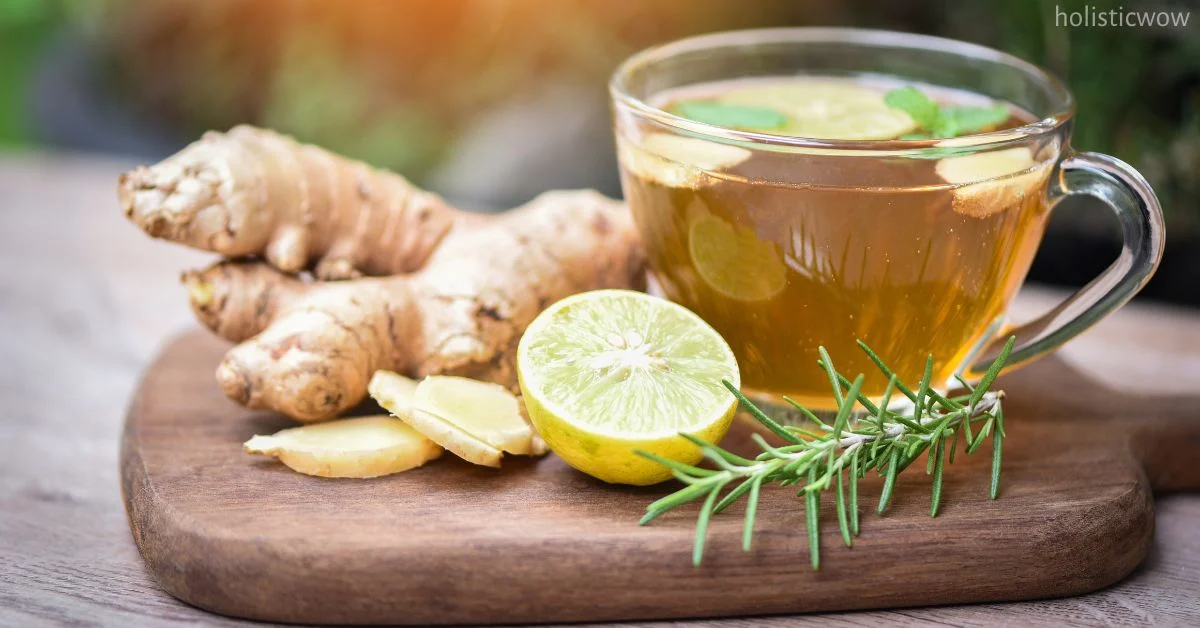
How Does Ginger Tea Contribute to Mood Boosts?
Ginger tea contributes to mood boosts by delivering beneficial compounds in a calming beverage.
The soothing nature of ginger tea may help alleviate stress and support emotional health.
Drinking ginger tea may also provide anti-nausea benefits, which can help you feel more comfortable and at ease emotionally.
Some research suggests that ginger may influence certain brain chemicals, such as serotonin, which is linked to feelings of well-being.
However, most human studies are preliminary, and the mood-support benefits of ginger tea are best considered supportive rather than therapeutic for depression.
Regular consumption of ginger tea can be a grounding self-care ritual that lifts your spirits and supports restful sleep.
Many people report feeling more energized and uplifted after drinking ginger tea, which can lead to a more positive outlook on daily activities.
Ginger tea’s comforting effect also supports stress relief, helping to manage occasional anxiety and promote relaxation.
Incorporating ginger tea into your routine may be a simple, natural way to support mood and emotional balance.
Can Ginger Ale and Ginger Syrup Support Emotional Health?
Ginger ale and ginger syrup may offer some support for emotional health due to the presence of ginger, which has been studied for its potential mood-enhancing properties.
While these forms are not as concentrated as fresh ginger or ginger tea, they could still contribute to mild mood improvement when enjoyed in moderation.
The refreshing aspect of ginger ale may provide comfort during minor emotional distress.
Some research suggests that ginger may help reduce symptoms of anxiety and support emotional well-being, which is why ginger is sometimes explored as a natural option for managing mild depression.
However, because ginger ale and ginger syrup often contain added sugars, it’s important to be mindful of your overall sugar intake, especially if you’re using them regularly.
To maximize the benefits of ginger for depression and mood improvement, opt for versions with less sugar or prepare homemade ginger drinks.
For those looking for more concentrated benefits of ginger for depression or emotional health, incorporating fresh ginger or ginger tea into your routine may provide more of the active compounds than prepared beverages or syrups.
How Can Ginger Be Incorporated into a Self-Care Routine for Better Energy Levels?
Incorporating ginger into a self-care routine for better energy levels can be simple and beneficial.
Ginger can be added to meals, smoothies, or teas, making it an easy way to support your daily wellness.
Ginger’s invigorating properties may help reduce feelings of fatigue and improve alertness throughout the day.
Regular use of ginger may help improve energy levels and support overall well-being.
Some studies also suggest that ginger may support mood and mental health, but human evidence for mood-boosting effects is still developing.
Incorporating ginger into self-care can promote holistic healing and a balanced approach to emotional health.
This makes ginger a valuable addition to holistic healing practices focused on self-care, mood improvement, and maintaining balanced energy throughout the day.
What Role Does Nutritional Psychiatry Play in Using Ginger for Depression?
Nutritional psychiatry highlights the significance of diet in mental health, particularly concerning depression.
Incorporating ginger into a balanced diet may support mental well-being and help manage symptoms of depression.
Ginger offers an accessible way to add natural mood support to everyday nutrition.
Ginger is rich in bioactive compounds that may have anti-inflammatory and antioxidant effects, which are being studied for their potential role in supporting emotional health.
Preclinical and limited human research suggest that these compounds could influence brain chemicals related to mood regulation, such as serotonin, but more clinical studies are needed.
This approach underscores the connection between holistic healing and nutritional psychiatry, helping to empower individuals in their mental health journey.
By focusing on such foods, individuals can use nutritional psychiatry as part of a holistic healing approach to support mood improvement and overall mental wellness.
While ginger for depression is not a standalone treatment, it may be a helpful addition to a healthy lifestyle.
Herbal Preparations and Recipes for Emotional Health
Herbal remedies can play a supportive role in managing emotional health, particularly in addressing symptoms of anxiety and low mood. Ginger, known for its potential mood-enhancing properties, can be effectively used in various preparations. The following recipes utilize ginger along with other calming herbs to promote emotional well-being.
Always consult a healthcare provider before starting any new herbal regimen, especially if you have existing health conditions or are taking medications.
Ginger Calm Tea
Ingredients:
- 1 teaspoon dried ginger root
- 1 teaspoon dried chamomile flowers
- 1 teaspoon dried lemon balm leaves
- 1 cup boiling water
Preparation:
- Combine the dried ginger, chamomile, and lemon balm in a teapot or cup.
- Pour boiling water over the herbs.
- Cover and steep for 10 minutes.
- Strain and enjoy warm, preferably in the evening.
Drink 1–2 cups daily, ideally in the evening, to promote relaxation and emotional balance.
This tea blend combines ginger’s uplifting effects with the calming properties of chamomile and lemon balm, offering gentle support for stress and occasional anxious feelings.
Warnings: Chamomile may cause allergic reactions, especially if you are sensitive to plants in the daisy (Asteraceae) family. Lemon balm can interact with thyroid medications; consult a healthcare provider if you have thyroid concerns or take related medication. Discontinue use if you experience any adverse reactions.
Ginger and Herbal Mood Support Blend
Ingredients:
- 1 teaspoon dried ginger root
- 1 teaspoon dried passionflower
- 1 teaspoon dried valerian root
- 1 teaspoon dried lemon balm leaves
- 1 cup boiling water
Preparation:
- Mix the dried ginger, passionflower, valerian root, and lemon balm in a teapot or cup.
- Pour boiling water over the herbs.
- Cover and steep for 15 minutes.
- Strain and drink warm, especially during times of stress or anxiety.
Drink 1 cup 1–2 times daily for calming support, particularly in the late afternoon or evening.
This herbal blend pairs ginger’s mood-supportive properties with passionflower and valerian for gentle calming, while lemon balm adds a soothing touch for emotional stability during stressful periods.
Warnings: Valerian may cause drowsiness; avoid driving or operating heavy machinery after use. Passionflower can interact with sedative medications or blood thinners—consult a healthcare provider if you are taking such medications. Lemon balm may interact with thyroid treatments. Discontinue use if you experience any side effects.
These herbal preparations are designed to support emotional health and relaxation but are not substitutes for professional medical care. Consult your healthcare provider before use, especially if you have health conditions or take prescription medications.