

Ginger for morning sickness is a popular natural remedy that many pregnant women use to ease nausea and vomiting, with research showing it can be both effective and safe for most people when used in moderation. However, it’s important to consult a healthcare provider before trying ginger or any supplement during pregnancy to ensure it is right for you.
Key Takeaways
- 🤰 Ginger Can Help With Morning Sickness: Ginger is a safe and natural remedy that may ease nausea and vomiting during pregnancy, making it a popular alternative for many expectant moms.
- 📋 Check With Your Doctor First: Always talk to your healthcare provider before using ginger or any herbal remedy when pregnant, especially if you have a history of miscarriage, bleeding issues, or are nearing delivery.
- 🥤 Different Ways to Enjoy Ginger: You can manage nausea by trying ginger tea, chews, biscuits, or supplements—choose the form that feels best for you and fits into your daily routine.
- ⚖️ Mind the Dosage and Watch for Side Effects: Stick to recommended daily amounts (generally 1–1.5 grams) and be alert for mild side effects like heartburn or stomach discomfort; if anything feels off, contact your doctor right away.
Should You Use Ginger for Nausea and Vomiting During Pregnancy?
Ginger is often recommended as a natural remedy for nausea and vomiting of pregnancy (NVP), particularly for morning sickness.
Research suggests it may be an effective remedy for relieving symptoms in some women.
However, it is important to consult with your healthcare provider before using ginger for morning sickness or any other natural remedy during pregnancy, to make sure it’s safe and appropriate for your specific situation.
Ginger may help provide natural relief from persistent nausea and can be a gentler alternative to pharmaceutical options during pregnancy.
Is Ginger Safe for Pregnant Women?
Ginger is generally regarded as safe for pregnant women when consumed in moderate amounts, such as in tea or food.
Research on the safety and efficacy of ginger root suggests it does not increase the risk of fetal malformations, stillbirth, or neonatal death.
However, some studies have raised concerns about possible side effects, such as increased vaginal bleeding after 17 weeks of pregnancy.
While the overall risk of adverse effects appears to be low, ongoing research aims to provide a more thorough understanding of potential risks.
Women with a history of miscarriage, bleeding disorders, or those approaching labor should use ginger cautiously due to potential contraindications related to bleeding.
To support the best maternal health outcomes, it’s always a good idea to consult with a healthcare provider before using ginger during pregnancy.
They can help determine whether ginger is appropriate based on your personal medical history.
Using ginger may also help maintain comfort while supporting maternal wellbeing, as it provides a trusted and commonly used remedy for mild nausea symptoms.
What Are the Benefits of Using Ginger for Morning Sickness?
Ginger offers several benefits for managing morning sickness during pregnancy.
It may help reduce nausea and vomiting thanks to its natural compounds, such as gingerols and shogaols, which are believed to have anti-nausea effects.
This relief can lead to improved appetite and hydration, especially when eating and drinking become easier.
As one of the more popular herbal remedies, ginger is appealing to those looking for natural options instead of pharmaceuticals.
It may also promote digestive comfort, making it a gentle choice for many pregnant women.
Choosing ginger for morning sickness may also support better sleep by reducing nighttime nausea and can help improve overall pregnancy experience by minimizing unpleasant symptoms.
How Does Ginger Work to Alleviate Pregnancy-Induced Nausea?
Ginger may help alleviate pregnancy-induced nausea by acting on both the digestive system and the brain areas involved in nausea triggers.
Its natural anti-inflammatory and antiemetic properties can help relax the gastrointestinal tract and reduce the sensation of nausea and vomiting.
The ginger bioactive compounds are thought to soothe the stomach lining, block nausea signals in the brain, and potentially increase gastrointestinal motility, all of which may contribute to easing nausea during pregnancy.
This impressive dual action on both the gut and the brain highlights why ginger is a versatile choice for pregnancy-related nausea and may reduce the frequency and intensity of vomiting episodes.
What Do Studies Say About Ginger’s Efficacy for Morning Sickness?
Research suggests that ginger may help reduce nausea and vomiting in pregnant women.
Clinical trials, including randomized controlled trials (RCTs), have shown that ginger extract and dietary ginger preparations can be more effective than a placebo in easing nausea and decreasing the frequency of vomiting.
Some studies indicate that ginger could potentially be as effective as certain conventional medications used for morning sickness.
However, not all studies show a clear benefit, and further research is needed to fully establish its comparative efficacy.
This makes ginger a promising option for many women seeking natural remedies to manage their symptoms during pregnancy.
By choosing ginger, women can benefit from an evidence-based solution that provides flexible symptom relief and offers another layer of support alongside dietary changes.
What Forms of Ginger Are Effective for Morning Sickness?
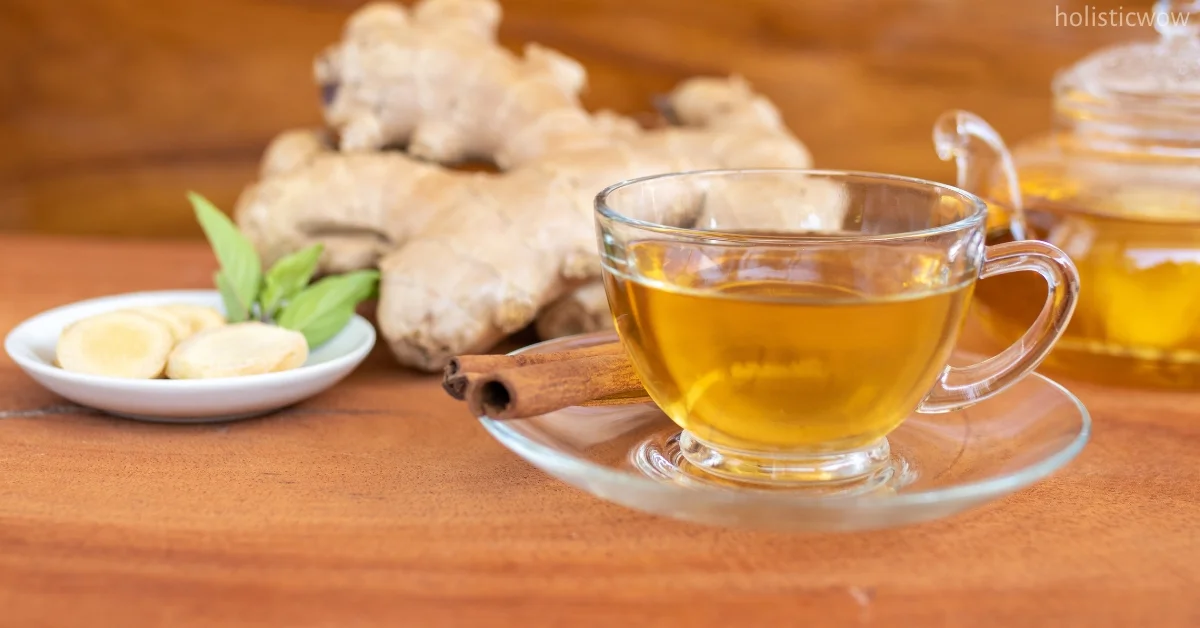
Effective forms of ginger for managing morning sickness include ginger tea, ginger ale, ginger chews, ginger drops, ginger lollipops, and ginger supplements.
Fresh ginger and dried ginger may also help relieve symptoms.
Each form may help reduce nausea, allowing pregnant women to choose what works best based on their personal preference and tolerance.
Variety in ginger preparations ensures that women can find a palatable option to suit their needs while maintaining consistent nausea management throughout the day.
Choosing a suitable form can enhance adherence to treatment and make relief from NVP symptoms more accessible.
What Is the Recommended Dosage of Ginger for Morning Sickness?
The recommended dosage of ginger root for morning sickness is generally between 1 to 1.5 grams per day, divided into smaller doses throughout the day.
Most guidelines advise not exceeding two grams daily, especially in Europe and North America.
Ginger is considered an effective remedy for nausea during pregnancy and may be used alongside other options like vitamin B6.
It’s important to consult a healthcare provider for personalized recommendations based on your individual tolerance and response to treatment.
Proper dosage can enhance safety and minimize the risk of side effects while maximizing the anti-nausea benefits of ginger.
Are There Any Side Effects of Using Ginger During Pregnancy?
While ginger is generally considered safe during pregnancy and is often used as a home remedy for nausea, some women may experience side effects.
These can include heartburn, diarrhea, or stomach discomfort.
To ensure the safety and efficacy of ginger during pregnancy, it’s important to monitor how your body responds and consult your healthcare provider if you notice any adverse effects.
Prompt attention to any side effects can prevent unnecessary discomfort and support overall safety while using ginger as a home remedy for morning sickness.
By being vigilant, you can maximize the benefits and minimize potential risks with ginger use.
How Does Ginger Compare to Other Natural Remedies for Morning Sickness?
Ginger is often considered one of the most effective natural remedies for morning sickness, alongside alternative remedies like peppermint and acupressure.
It stands out due to a strong body of research supporting its use as a safe and effective remedy during pregnancy.
Studies suggest that ginger may help reduce nausea and vomiting in pregnancy and could potentially be as effective as vitamin B6, a commonly recommended non-pharmacological intervention for morning sickness.
However, individual responses can vary, and more research is still ongoing to fully understand how it compares to other treatments.
Ginger’s robust safety profile and proven clinical benefits make it a leading choice among non-pharmacological interventions, while the growing research base continues to reinforce its reputation.
What Are Some Practical Ways to Incorporate Ginger into Your Diet?
Incorporating ginger into your diet can be simple and may help with managing morning sickness during pregnancy.
Practical ways include brewing fresh ginger slices for ginger tea, adding ginger to smoothies, using ginger powder in cooking, and enjoying small amounts of crystallized ginger.
Other options include snacking on ginger snaps or ginger biscuits, and sipping flat ginger ale made with real ginger.
These methods may help reduce nausea, especially when used in moderation and as part of a balanced diet.
Establishing a routine to include ginger can make daily nausea management more convenient, and support a sense of control over symptoms.
Experimenting with different preparations may also broaden dietary choices while maintaining the benefits of ginger for morning sickness.
Herbal Preparations and Recipes for Morning Sickness
Herbal remedies can provide natural relief from nausea and vomiting during pregnancy, particularly for morning sickness. Ginger is a well-known option, and when combined with other supportive herbs, it can enhance comfort and digestive health.
Always consult with a healthcare provider before starting any new herbal regimen, especially during pregnancy or if you have existing health conditions or are taking medications.
Soothing Ginger Tea
Ingredients:
- 1 teaspoon dried ginger root
- 1 cup boiling water
Preparation:
- Place the dried ginger root in a teapot or cup.
- Pour boiling water over the ginger.
- Cover and steep for 10 minutes.
- Strain and drink warm. You may add a small amount of honey or lemon if desired.
Drink 1–2 cups daily as needed for relief from morning sickness.
This simple ginger tea may help ease nausea, soothe the stomach, and promote gentle digestive comfort during pregnancy.
Warnings: Ginger can cause mild digestive upset, heartburn, or diarrhea in some individuals. Most pregnant women can safely consume up to 4 grams of ginger root per day, but avoid excessive use. Consult your healthcare provider before starting if you are on medications, have a bleeding disorder, or have concerns about ginger use in pregnancy.
Ginger and Herbal Comfort Blend
Ingredients:
- ½ teaspoon dried ginger root
- ½ teaspoon dried peppermint leaf
- ½ teaspoon dried chamomile flower
- ½ teaspoon dried lemon balm leaf
- 1 cup boiling water
Preparation:
- Combine all the dried herbs in a teapot or infuser.
- Pour boiling water over the herbs.
- Cover and steep for 15 minutes.
- Strain and drink warm. You may add a touch of honey or a slice of lemon for additional flavor if desired.
Drink 1 cup 2–3 times daily as needed for nausea or relaxation.
This soothing blend brings together ginger, peppermint, chamomile, and lemon balm—herbs known for their ability to calm nausea, relax the digestive tract, and provide gentle relaxation to help manage morning sickness.
Warnings: Ginger, peppermint, and lemon balm are generally safe in moderate amounts during pregnancy, but avoid excess. Chamomile may cause allergic reactions, particularly in those with allergies to ragweed or related plants. If you have allergies, take other herbal medications, or have health conditions, consult your healthcare provider before using this blend. Discontinue use if you experience any side effects or allergic reactions.
These herbal preparations are intended to support digestive health and alleviate nausea during pregnancy, but should not replace medical advice or conventional care. Always consult your healthcare provider before use, especially in pregnancy or if you are taking medications.