
In this article about herbs for kidney stones:
🌿 Best Herbs for Kidney Stones | 📜 Herbal Preparations and Recipes for Kidney Stone Support | ☯️ Integrating Herbs into Daily Life for Kidney Stone Support | 🌱 Navigating Herbs Safely
Kidney stones are painful mineral deposits that form in the kidneys. They can cause severe discomfort, nausea, and difficulty urinating. These hard formations can range from tiny crystals to larger stones, often requiring medical intervention for removal.
Several herbs, including chanca piedra and dandelion, offer potential benefits for kidney health. These plants contain compounds that may support urinary tract function, increase urine output, and possibly aid in stone prevention or passage.
This article explores five herbs traditionally used for kidney stone support. We’ll discuss their potential benefits, common preparation methods, and important considerations for safe use under medical supervision.
Key Takeaways
- ✨ Chanca Piedra Efficacy: Chanca piedra has shown promise in studies for inhibiting calcium oxalate crystal formation and may help pass small stones, but more human studies are needed.
- 🌿 Diuretic Herbs: Dandelion and goldenrod are natural diuretics that can help support kidney health by increasing urine output.
- 💚 Anti-inflammatory Support: Goldenrod and, to a lesser extent, hydrangea may help reduce inflammation in the urinary tract, potentially easing discomfort.
- 💖 Holistic Approach Importance: Effective kidney stone management combines herbal remedies with proper hydration, dietary adjustments, and medical supervision.
🌿 Best Herbs for Kidney Stones
Kidney stones are hard deposits that form inside the kidneys, often causing severe pain and discomfort. These mineral and salt formations can vary in size, from tiny crystals to larger stones. Common symptoms include sharp pain in the side, back, or lower abdomen, pain or burning during urination, frequent urges to urinate, and blood in the urine. Nausea and vomiting may also occur as the body tries to pass the stone.
Kidney stones form when the levels of substances like calcium, oxalate, and uric acid in the urine are imbalanced. The crystallization of these substances can lead to the development of stones. Factors that can increase the risk of developing kidney stones include dehydration, certain medical conditions, and dietary habits that contribute to high concentrations of stone-forming minerals.
Several herbs have been traditionally used to support kidney health and may potentially aid in managing kidney stones. These include chanca piedra (Phyllanthus niruri), horsetail (Equisetum arvense), goldenrod (Solidago virgaurea), dandelion (Taraxacum officinale), and hydrangea (Hydrangea arborescens). Research suggests that some of these herbs have diuretic, anti-inflammatory, and antioxidant properties, which may support kidney health and help reduce the risk of stone formation.
Understanding the symptoms and causes of kidney stones is crucial for recognizing the condition and exploring potential herbal remedies. While these natural options may support kidney function, they should complement, not replace, conventional medical treatments. Consulting a healthcare professional before starting any herbal remedy is recommended, especially for those with underlying health conditions.
Chanca piedra (Phyllanthus niruri)
Chanca piedra (Phyllanthus niruri), also known as “stone breaker,” has been used in traditional medicine in South America and India to treat kidney stones and other urinary issues. Some studies suggest that chanca piedra contains compounds that may inhibit the formation of calcium oxalate crystals, the most common type of kidney stone. While these effects have been seen in animal models, more human trials are needed to confirm their effectiveness [1]. Chanca piedra also has diuretic properties, potentially increasing urine output, which could help flush out small stones or deposits. A clinical study combining chanca piedra with magnesium and vitamin B6 showed promising results, particularly for stones smaller than 3 mm in the upper or middle kidney areas. However, larger-scale studies are still needed [2]. While promising, regular use of chanca piedra should be approached cautiously until more studies confirm its long-term safety and efficacy for kidney stones and other uses.
Horsetail (Equisetum arvense)
Horsetail (Equisetum arvense) has been used in traditional medicine for centuries and is known for its rich silica content. Regarding kidney stones, horsetail acts as a natural diuretic, helping to increase urine output and flush out the urinary system, potentially reducing the risk of stone formation. Horsetail’s diuretic effects have been demonstrated in clinical studies, but more human research is needed to confirm its full potential for kidney stone prevention [3]. Horsetail also has astringent properties, which may help soothe and reduce inflammation in the urinary tract, making it a popular herb for promoting urinary health. However, it’s important to use horsetail under medical supervision if taken long-term, as it contains thiaminase, an enzyme that may interfere with thiamine absorption and potentially cause deficiency [4].
Goldenrod (Solidago virgaurea)
Goldenrod (Solidago virgaurea) has been used in traditional medicine for centuries, particularly for urinary tract health, including kidney and bladder function. Its diuretic and anti-inflammatory properties may help increase urine output, potentially aiding in the flushing of small kidney stones or preventing their formation. Goldenrod’s ability to soothe urinary tract inflammation could also help alleviate discomfort associated with stones. While some studies suggest that goldenrod may reduce the risk of urinary tract infections, which can contribute to stone formation, direct evidence supporting its role in preventing or treating kidney stones is limited. Relevant studies indicate that goldenrod, when combined with other herbs, has been shown to reduce urinary symptoms, lower infection risks [5], and can help reduce microbial colonization in urinary catheters, which may indirectly aid in stone prevention [6].
Dandelion (Taraxacum officinale)
Dandelion (Taraxacum officinale) is a versatile herb used in traditional medicine for centuries, particularly praised for its diuretic and liver-supporting properties. Its natural diuretic effects can help increase urine output, potentially aiding in flushing out small kidney stones or reducing the risk of stone formation. Rich in potassium, dandelion helps maintain a healthy balance of electrolytes during increased urination, making it a beneficial herb for urinary health. While direct research on dandelion’s effect on kidney stones is limited, its long history of use and support for detoxification processes make it a popular choice for promoting overall kidney and urinary health.
Hydrangea (Hydrangea arborescens)
Hydrangea (Hydrangea arborescens) has been traditionally used in Native American and folk medicine for urinary tract health, including kidney stones. Herbalists suggest that hydrangea’s diuretic properties may help increase urine output, potentially assisting in flushing out small kidney stones or sand-like deposits. Hydrangea is believed to have anti-inflammatory effects, which may help soothe irritated urinary tract tissues, contributing to overall kidney health. While its long history of use offers promising potential, scientific research on hydrangea’s direct effects on kidney stones remains limited. Therefore, more clinical studies are needed to confirm its effectiveness and safety. Due to possible health risks, people with heart or kidney conditions should consult a healthcare provider before using hydrangea.
📜 Herbal Preparations and Recipes for Kidney Stone Support
Here are five herbal tea recipes designed to support kidney health and potentially aid in managing kidney stones. These blends incorporate the beneficial properties of selected herbs, offering natural support for urinary tract health. While these herbs have traditional use and some evidence supporting their benefits, always consult a healthcare provider before starting any new herbal regimen, especially if you have existing health conditions or are taking medications. More clinical studies are needed to confirm their specific effects on kidney stones.
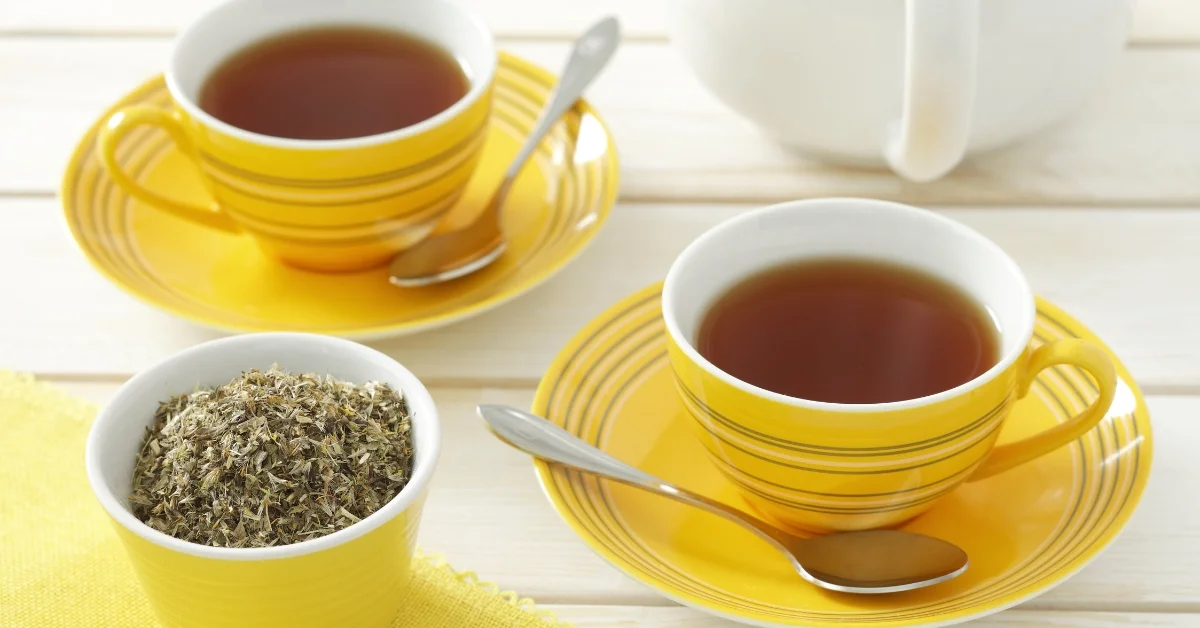
Gentle Kidney Support Tea
Ingredients:
- 1 teaspoon dried dandelion leaf
- 1 teaspoon dried goldenrod
- ½ teaspoon dried horsetail
- 1 cup of boiling water
Preparation:
- Combine all dried herbs in a teapot.
- Add 1 cup of boiling water and steep for 10-15 minutes.
- Strain and drink once daily, preferably in the morning, for up to 2 weeks to support general kidney health.
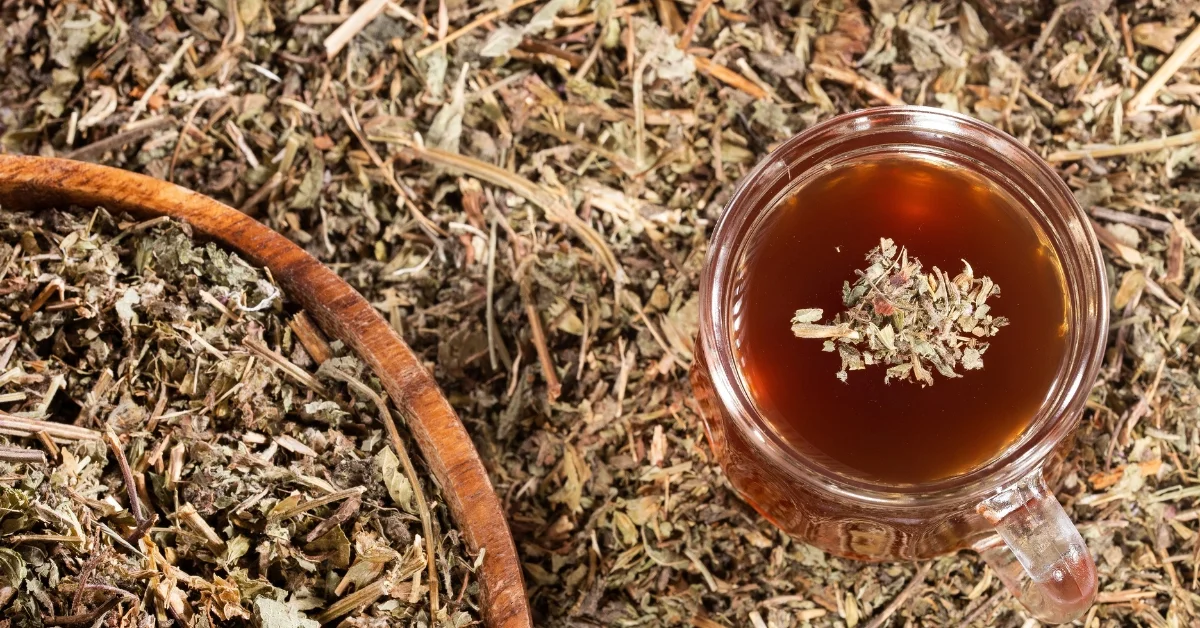
Urinary Tract Cleanse Blend
Ingredients:
- 1 teaspoon dried chanca piedra
- 1 teaspoon dried goldenrod
- ½ teaspoon dried dandelion leaf
- 1 cup of boiling water
Preparation:
- Mix the herbs in a teapot.
- Pour boiling water over the herbs and steep for about 10 minutes.
- Strain and drink once daily, morning or night, to support urinary tract health and potentially aid in stone prevention.
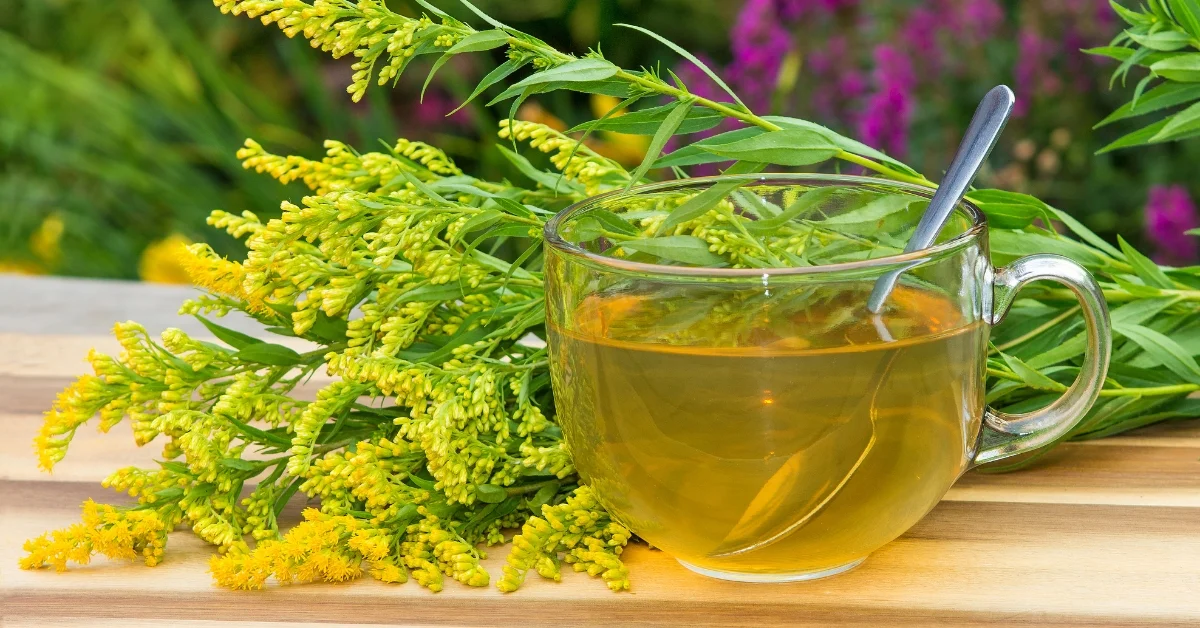
Diuretic Support Tea
Ingredients:
- 1 teaspoon dried dandelion leaf
- 1 teaspoon dried goldenrod
- ½ teaspoon dried hydrangea root
- ½ teaspoon dried horsetail
- 1 cup of boiling water
Preparation:
- Place all dried herbs in a teapot, add boiling water, and steep for 15 minutes.
- Strain and drink once daily for up to 2 weeks to support healthy urine flow and potentially assist in flushing small stones.
- Hydrangea and horsetail should not be consumed for extended periods without medical supervision.
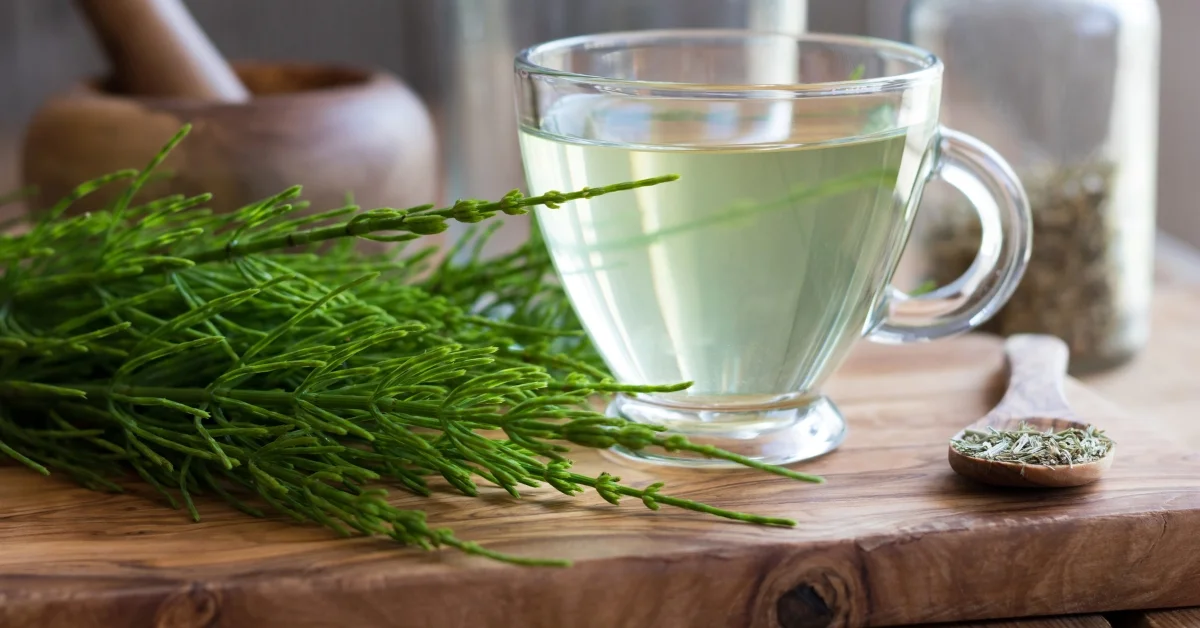
Stone Breaker Infusion
Ingredients:
- 1 teaspoon dried chanca piedra
- 1 teaspoon dried goldenrod
- ½ teaspoon dried hydrangea root
- ½ teaspoon dried horsetail
- 1 cup of boiling water
Preparation:
- Combine herbs in a teapot, cover with boiling water, and steep for 10-15 minutes.
- Strain and drink twice daily for no longer than 2 weeks to potentially support the breakdown of kidney stones.
- For longer-term use, limit to once daily.
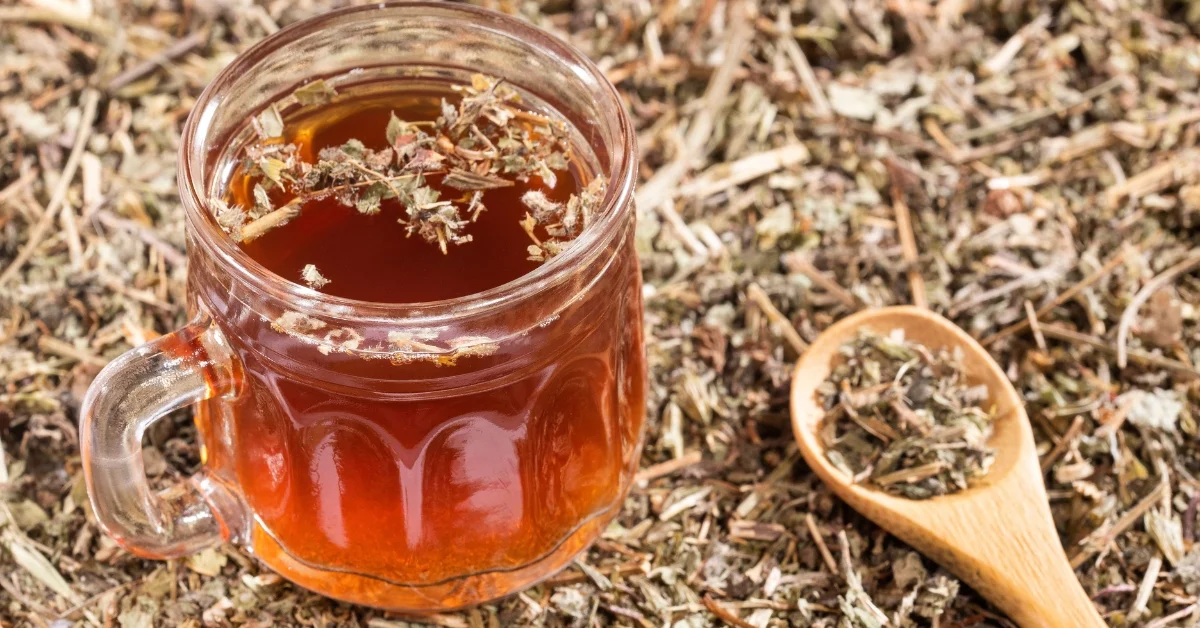
Comprehensive Kidney Stone Support Blend
Ingredients:
- ½ teaspoon dried chanca piedra
- ½ teaspoon dried dandelion leaf
- ½ teaspoon dried goldenrod
- ½ teaspoon dried horsetail
- ½ teaspoon dried hydrangea root
- 1 cup of boiling water
Preparation:
- Add all dried herbs to a teapot, pour in boiling water, and steep for 15 minutes.
- Strain and drink once daily for regular support or twice daily for 1-2 weeks to provide comprehensive support for kidney health and potential stone management.
- For long-term use, limit to once daily.
These tea recipes are designed to be easily integrated into daily routines, providing a practical approach to supporting kidney health naturally. Always consult a healthcare provider before starting any new herbal regimen, especially if you have existing health conditions or are taking medications.
☯️ Integrating Herbs into Daily Life for Kidney Stone Support
Incorporating herbs into your daily routine can provide natural support for kidney health and potential relief from kidney stones. Here are practical tips for using herbs effectively, along with complementary practices to maximize their benefits.
Daily Use and Lifestyle Integration
- 🫖 Herbal Teas: Start your day with a cup of kidney-supporting tea made with herbs like chanca piedra, dandelion, or goldenrod. These herbs have traditionally been used to support urinary health and kidney function. Chanca piedra, in particular, has been studied for its potential to reduce the formation of certain types of kidney stones. For those prone to kidney stones, consider drinking chanca piedra tea up to twice daily. However, long-term use should be done under the guidance of a healthcare provider.
- 💚 Herbal Supplements: If you prefer not to drink herbal teas, consider taking herbs like chanca piedra, dandelion, or goldenrod in capsule or tincture form. While research on these herbs’ direct effects on kidney stones is still limited, their diuretic and anti-inflammatory properties are believed to support kidney health. These can be easily incorporated into your daily supplement routine.
- 💧 Water Infusions: Add a few sprigs of fresh herbs, such as goldenrod or dandelion leaves, to your water bottle. This flavors your water and provides a gentle infusion of potential kidney-supporting compounds throughout the day.
Additional Practices to Support Kidney Health
- 🫗 Hydration: Drinking plenty of water is crucial for kidney health and stone prevention. Aim for at least 8-12 glasses of water daily, particularly if you’re physically active or in hot weather. Adequate hydration helps dilute urine and reduce the concentration of minerals that can form stones.
- 🥦 Dietary Adjustments: Incorporate foods that support kidney health, such as citrus fruits like lemons, and high-magnesium foods like pumpkin seeds. Reducing oxalate-rich foods (such as spinach and nuts) may help those prone to calcium oxalate stones. However, dietary changes should be personalized and may not prevent all types of kidney stones. Consult with a healthcare provider for tailored dietary advice.
- 🏃♀️ Regular Exercise: Engage in moderate physical activity, such as walking or swimming. This can help maintain a healthy weight and reduce risk factors for kidney stone formation, such as obesity or metabolic syndrome.
- 🧘♀️ Stress Management: Practice stress-reduction techniques such as deep breathing, meditation, or yoga. Although there is no strong evidence directly linking stress to kidney stone formation, reducing stress can support overall health, which in turn benefits kidney function.
Corn silk and black cumin can also be beneficial for kidney health. Corn silk has mild diuretic properties and can be brewed as a tea, while black cumin seeds may have anti-inflammatory effects and can be added to meals or taken as a supplement.
Remember to start with smaller doses of herbal remedies to see how your body reacts. These herbs and practices support kidney health and may help manage kidney stones, but are not proven cures or treatments. Always consult a healthcare provider, particularly if you have existing health conditions or are taking medications.
🌱 Navigating Herbs Safely
Starting with small doses is the first step when adding herbal remedies to your health routine. This approach lets you see how you respond and adjust amounts for the best effect, keeping safety in mind. While many herbs are safe, everyone’s body reacts differently. If you notice any side effects, it’s important to stop and think about what might be causing them.
Remember, herbs can sometimes interact with prescription medicines. These interactions might make your medicines work too well or not well enough, which is why talking to a healthcare provider or an herbalist is essential. This is especially crucial if you’re pregnant, breastfeeding, taking medications regularly, or have an existing health condition. Getting advice tailored to your situation can help you avoid any unnecessary risks.
For kids and older adults, being extra careful with herbs is important. Their bodies might react more strongly to herbal remedies, and the chance of side effects or interactions could be greater. Before giving herbal treatments to children or elderly family members, getting advice from a professional is a must to ensure their safety.
By being cautious and seeking expert advice when needed, you can make herbal remedies a safe part of your wellness plan. This careful approach allows you to enjoy the benefits of herbs while keeping yourself and your family safe.
Herbs like chanca piedra, horsetail, goldenrod, dandelion, and hydrangea all offer unique properties that may support kidney function and potentially aid in stone management. Chanca piedra may help inhibit the formation of calcium oxalate crystals, while dandelion acts as a diuretic to increase urine output. However, it’s important to note that while these herbs show promise, more research is needed to fully confirm their effectiveness in treating kidney stones.
Practical applications including herbal tea recipes are easy methods for incorporating these herbs into daily routines. Complementary practices such as staying hydrated, making dietary adjustments, and managing stress are also important in supporting overall kidney health.
While these herbal remedies may support kidney health, they are not proven treatments for kidney stones. Always consult with healthcare providers before starting any new herbal regimen, especially with existing health conditions or taking medications.
FAQ
How effective are herbal remedies in treating kidney stones?
Herbal remedies can provide supportive measures in managing kidney stones, but their effectiveness varies and should not be relied on as a standalone treatment. Chanca piedra, often called the "stone breaker," has shown potential in studies for inhibiting the formation of calcium oxalate crystals, though human research is limited. Herbs like goldenrod and dandelion, which act as diuretics, may help increase urine output and potentially assist in flushing out small stones or preventing their formation. Horsetail, known for its silica content, may support urinary tract health, though its direct impact on kidney stones is not well established. While these herbs are traditionally used and show promise in some studies, more clinical research is needed to confirm their effectiveness. Herbal remedies are best used comprehensively, including proper hydration, dietary changes, and medical oversight.
Are there any risks associated with using herbs for kidney stones?
While herbs can offer natural support for kidney health, they are not without risks. Certain herbs, like horsetail, should not be used long-term without medical supervision due to its potential to interfere with thiamine absorption, which can lead to a deficiency. Hydrangea, traditionally used for urinary issues, may not be safe for people with pre-existing heart or kidney conditions due to its potential toxicity in higher doses or prolonged use. Even commonly used herbs like dandelion can interact with medications, such as diuretics or medications for diabetes and blood pressure. It's crucial to consult a healthcare provider before starting any herbal regimen, especially if you have existing health conditions or are taking medications. Additionally, the quality and purity of herbal products can vary widely, so sourcing herbs from reputable suppliers is important. While many herbs are generally safe when used appropriately, they can cause side effects or allergic reactions in some individuals. Always start with small doses to assess your body’s reaction and discontinue use if you experience any adverse effects.
How should I incorporate herbs into my daily routine for kidney stone prevention?
Incorporating herbs into your daily routine for kidney stone prevention can be done in several ways. Preparing herbal teas using herbs like chanca piedra, goldenrod, or dandelion is a traditional and effective method. These herbs may help support kidney function and prevent stone formation, with chanca piedra showing potential in reducing calcium oxalate stone formation in studies. Teas can be consumed once or twice daily, but it’s essential to consult with your healthcare provider to determine the right dosage and frequency for your specific needs. Some people prefer herbal supplements in capsule or tincture form, which offer a convenient alternative, but, as with teas, dosing should be guided by professional advice.
To optimize kidney health, it's crucial to stay well-hydrated, aiming for at least 8-10 glasses of water per day, and to consider a balanced diet low in oxalates if prone to calcium oxalate stones. However, dietary adjustments should be tailored to the type of kidney stone you're dealing with. Regular exercise and maintaining a healthy weight also support kidney function. Consistency is key when using herbs for prevention, but remember to listen to your body and adjust your regimen as needed with professional guidance.