
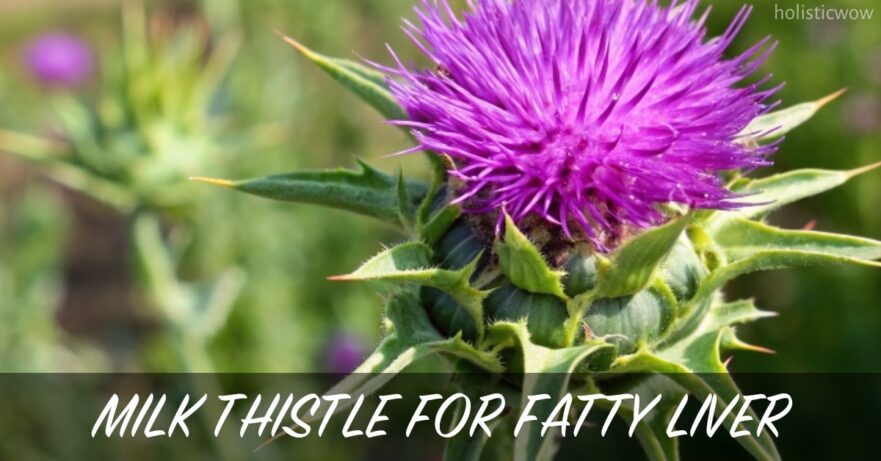
Milk thistle for fatty liver is a popular herbal supplement, increasingly recognized for its potential to support liver health and help manage fatty liver disease by reducing liver inflammation, oxidative stress, and improving liver function.
Key Takeaways
- 🌱 Natural Liver Protector: Milk thistle, especially its active compound silymarin, offers proven antioxidant and anti-inflammatory benefits that help protect and strengthen your liver, making it especially useful for fatty liver conditions.
- 🩺 Supports Liver Recovery: Silymarin can help improve liver enzyme levels and may even reduce fat buildup in the liver, which is important for those with nonalcoholic fatty liver disease (NAFLD).
- 🍵 Easy and Safe to Use: Drinking milk thistle tea or blends can be a gentle, safe way to support liver health for most people, but always talk to your doctor before starting any new supplement or herbal remedy.
- ⚠️ Consult Before Use: While milk thistle is generally well-tolerated, consult your healthcare provider first—especially if you take medications or have allergies—to avoid unwanted reactions or interactions.
What Is Milk Thistle and How Does It Help Fatty Liver?
Milk thistle, scientifically known as Silybum marianum, is a popular dietary supplement widely recognized for supporting liver health.
Its main active compound, silymarin, has antioxidant, anti-inflammatory, and hepatoprotective properties, which may help protect liver cells from damage and support their function.
Silymarin’s unique hepatoprotective effects may help enhance liver cell resilience in the face of metabolic stress.
In people with fatty liver, especially nonalcoholic fatty liver disease (NAFLD), silymarin has shown potential benefits.
Clinical studies suggest that silymarin supplementation may help lower elevated liver enzyme levels and decrease the degree of fatty infiltration in the liver, as assessed by imaging such as ultrasound.
These improvements may be valuable for individuals managing NAFLD or fatty liver associated with metabolic conditions.
Regular supplementation with milk thistle could bolster the liver’s natural detoxification pathways and improve overall metabolic health.
While more research is needed to confirm its long-term benefits, milk thistle remains a promising natural option for supporting liver health in those with fatty liver disease.
What Are the Antioxidant and Anti-inflammatory Properties of Milk Thistle?
Milk thistle offers notable antioxidant effects, primarily due to silymarin—a key compound that may help reduce oxidative stress in the liver.
Silymarin works by neutralizing free radicals, which can help protect liver cells from damage and may slow the progression of liver conditions such as nonalcoholic fatty liver disease (NAFLD).
This antioxidant action supports overall liver health and helps liver cells function more effectively.
By combating free radical injury, milk thistle may play a preventive role in the development of advanced liver fibrosis.
The anti-inflammatory properties of milk thistle also play an important role in liver support.
Silymarin may help reduce inflammation in liver tissue, which is especially beneficial for individuals managing chronic liver conditions like fatty liver, cirrhosis, or hepatitis.
Reduced chronic inflammation can lessen the risk of further liver damage over time.
By combining antioxidant and anti-inflammatory effects, milk thistle—through its active compound silymarin—offers a natural way to support liver health and protect against ongoing liver damage.
These dual actions could lead to better preservation of essential liver functions and improved liver resilience in those facing ongoing oxidative challenges.
What Role Does Silymarin Play in Liver Protection?
Silymarin, the main active compound in milk thistle, plays a key role in liver protection due to its strong antioxidant and hepatoprotective properties.
It helps reduce oxidative stress in liver cells, which may lower the risk of cell damage and inflammation.
By limiting cellular toxicity and boosting the liver’s antioxidant defenses, silymarin encourages a healthier environment for liver cells.
By decreasing cellular toxicity, silymarin may help protect healthy liver tissue—especially in the early stages of liver disease, such as fatty liver, hepatitis, or cirrhosis.
Silymarin’s benefits are thought to be most helpful when introduced early in the progression of these conditions, as early intervention may support better liver outcomes.
The ability of silymarin to strengthen liver cell membranes further enhances its value as a liver-protective supplement.
Silymarin also supports liver regeneration.
It may help the liver maintain its natural ability to repair itself, which is important for long-term liver health.
Enhanced regeneration can aid in faster recovery from liver injury and promote sustained liver function.
How Does Milk Thistle Improve Liver Function and Health?
Milk thistle may help improve liver function and health mainly through silymarin, its active compound.
Silymarin supports liver cells by reducing oxidative stress and inflammation—two key factors that contribute to liver damage and the progression of nonalcoholic fatty liver disease (NAFLD).
Silymarin has the potential to enhance enzyme activity involved in detoxification, thereby promoting more efficient processing of metabolic byproducts.
Well-designed clinical studies indicate that silymarin supplementation can improve markers of liver health by lowering certain biochemical parameters, such as aspartate transaminase (AST) and alanine transaminase (ALT), especially in patients with NAFLD.
Reduced levels of these enzymes are considered signs of improved liver function.
Consistent improvements in these markers may reflect a reversal of fatty changes and restoration of normal liver architecture.
Overall, silymarin may offer protective benefits for the liver and support better liver function, especially in individuals with liver-related conditions like NAFLD.
By improving liver cell resilience and modulating inflammatory responses, milk thistle can serve as a valuable adjunct in the broader management of liver health.
How Does Milk Thistle Affect Nonalcoholic Fatty Liver Disease (NAFLD)?
Milk thistle may help manage nonalcoholic fatty liver disease (NAFLD) by supporting liver function and improving liver enzyme levels.
Evidence from clinical trials suggests silymarin can decrease liver fat content, as seen on ultrasound, and help reduce elevated liver enzymes in people with NAFLD.
A reduction in hepatic steatosis (fatty change) is one major reason for an improvement in overall liver health status in NAFLD patients.
Silymarin, the main active compound in milk thistle, has been studied in clinical trials and may improve liver function tests, such as AST and ALT, after several weeks of use in people with NAFLD.
By impacting both structural changes and biochemical markers, milk thistle could contribute to slowing the progression of NAFLD toward more severe stages.
As a dietary supplement, silymarin could potentially support better liver health in individuals with NAFLD, especially when combined with lifestyle changes like diet and exercise.
This dual approach may lead to longer-term stability of liver function and even regression of fatty deposits within the liver.
Is Milk Thistle Effective in Reducing Oxidative Stress and Lipid Accumulation?
Milk thistle may help reduce oxidative stress and lipid accumulation in the liver, which can support overall liver health.
The main active compound, silymarin, has antioxidant properties that have been shown in clinical studies and laboratory models to help neutralize oxidative stress—a key factor in the development and progression of liver conditions such as nonalcoholic fatty liver disease (NAFLD).
By reducing lipid accumulation in the liver, silymarin can limit the cellular injury caused by excess fat deposits.
Reducing oxidative stress also supports mitochondrial efficiency within liver cells, an important mechanism for healthy energy metabolism.
By helping to manage oxidative stress and reduce fat buildup in the liver, silymarin could potentially play a supportive role in maintaining healthy liver function.
A consistent reduction in lipid accumulation may protect against future inflammation and fibrosis, providing comprehensive support for liver health.
Can Milk Thistle Reduce Blood Triglyceride Levels and GGT Activity?
Direct evidence that milk thistle reduces blood triglyceride levels and gamma-glutamyltransferase (GGT) activity is not well established.
However, clinical trials suggest that silymarin—the main active compound in milk thistle—may help improve liver function and liver enzyme levels, especially in conditions like nonalcoholic fatty liver disease (NAFLD).
Improvements in liver function from silymarin supplementation may indirectly contribute to healthier blood lipid profiles over time.
While more research is needed to confirm a direct link, these improvements in liver function could potentially support healthier blood triglyceride levels and lower GGT activity over time.
Potential modulation of GGT—a marker of liver and bile duct health—can serve as an additional benefit for those at risk of chronic liver issues.
Should NAFLD Patients Consider Milk Thistle as a Dietary Supplement?
Patients with nonalcoholic fatty liver disease (NAFLD) may consider milk thistle as a dietary supplement to support liver health.
Clinical trials suggest that silymarin, the active compound in milk thistle, may help improve liver enzyme levels and reduce the severity of fatty liver in some individuals with NAFLD.
Supplementing with silymarin as part of a comprehensive approach could further enhance benefits beyond lifestyle changes alone.
However, it’s important to consult a healthcare provider before starting milk thistle or any new supplement, to ensure it’s appropriate for your individual health needs.
Careful integration with current medical therapy may optimize outcomes, reduce risks, and promote continued liver health.

What Do Clinical Trials Say About Milk Thistle’s Efficacy for Liver Disease?
Clinical trials suggest that milk thistle, particularly its main compound silymarin, may help improve markers of liver function, such as ALT and AST, in people with liver diseases such as nonalcoholic fatty liver disease (NAFLD).
In a controlled study, silymarin supplementation was associated with significant improvements in liver enzyme levels and reduction in fatty changes on ultrasound findings related to fatty liver after about eight weeks of treatment.
These results indicate silymarin can provide rapid and measurable benefits for patients with metabolic or nonalcoholic liver disease.
These findings indicate that silymarin could potentially serve as an adjunct therapy to support liver health in individuals with NAFLD and other liver conditions.
Adjunctive use of milk thistle may enhance the effectiveness of routine standard-of-care interventions for liver disease.
Are There Any Risks or Side Effects of Using Milk Thistle for Liver Health?
Milk thistle is generally considered safe for most individuals when used as a dietary supplement to support liver health.
Most clinical trials report that milk thistle and silymarin are well tolerated, with few serious side effects.
Mild symptoms, such as digestive upset, headache, or allergic reactions, may occasionally occur.
This favorable safety profile makes milk thistle an accessible option for ongoing liver support.
As with any supplement, it’s important to talk with your healthcare provider before starting milk thistle, especially if you take other medications or have underlying health conditions, to help avoid potential interactions or side effects.
An individualized approach can maximize benefits and ensure the safe integration of milk thistle for liver health maintenance.
Herbal Preparations and Recipes for Fatty Liver
Herbal remedies can support liver health, particularly for conditions like fatty liver disease. Milk thistle, known for its active compound silymarin, offers antioxidant and anti-inflammatory benefits that may help improve liver function. The following recipes utilize milk thistle to promote liver health.
Always consult a healthcare provider before starting any new herbal regimen, especially if you have existing health conditions or are taking medications.
Milk Thistle Liver Support Tea
Ingredients:
- 1 teaspoon dried milk thistle seeds
- 1 cup boiling water
Preparation:
- Crush the dried milk thistle seeds slightly to release their beneficial compounds.
- Place the crushed seeds in a teapot or infuser.
- Pour boiling water over the seeds and steep for 10–15 minutes.
- Strain and drink warm.
Drink 1–2 cups daily to support liver function and overall liver health.
This simple tea harnesses the liver-supportive properties of milk thistle, making it an easy addition to your routine that may help protect the liver and encourage gentle detoxification.
Warnings: Milk thistle may cause allergic reactions in people sensitive to plants in the daisy family (Asteraceae), such as ragweed. Use caution if pregnant, breastfeeding, or taking medications, as milk thistle can potentially interact with certain drugs. Consult your healthcare provider if you have concerns.
Liver Health Herbal Blend
Ingredients:
- 1 teaspoon dried milk thistle seeds
- 1 teaspoon dried dandelion root
- ½ teaspoon dried burdock root (or substitute with dried artichoke leaves if desired)
- ½ teaspoon dried peppermint leaves
- 1 cup boiling water
Preparation:
- Combine all the dried herbs in a teapot or infuser.
- Pour boiling water over the herbs and steep for 15 minutes.
- Strain and drink warm. Adjust the amount of peppermint to taste if desired.
Drink 1 cup 1–2 times daily to gently support liver and digestive health.
This herbal blend brings together the liver-supportive powers of milk thistle, dandelion, and burdock, while the peppermint helps soothe digestion and enhance flavor, making it a gentle daily tonic for maintaining liver function and comfort.
Warnings: Milk thistle and dandelion may cause allergic reactions in individuals sensitive to plants in the daisy family (Asteraceae). Burdock may interact with certain medications and can cause reactions in those sensitive to related plants. If you are pregnant, breastfeeding, have chronic medical conditions, or take prescription medications, consult your healthcare provider before use.
These herbal preparations are intended to complement—not replace—medical treatment for fatty liver or other liver conditions. Consult your healthcare provider before use, especially if you have underlying health conditions or take regular medications.