

The mullein plant is a traditional herbal remedy valued for its ability to support respiratory health, soothe irritation, and ease coughs, but it’s important to be aware of its possible uses, benefits, and side effects before adding it to your wellness routine.
Key Takeaways
- 🌬️ Eases Breathing and Soothes Coughs: Mullein acts as a natural expectorant, helping clear mucus and making it easier to breathe during colds, coughs, and bronchitis, while gently soothing sore throats and irritated airways.
- 🌱 Multi-Purpose Plant with Skin Benefits: Beyond respiratory health, mullein can be used on the skin to calm irritation and support healing for minor burns or wounds, making it a useful addition to your home remedy kit.
- 💊 Available in Several Safe Forms: Mullein comes as tea, tincture, capsules, and oil, giving you flexible ways to use it, but always start with a small amount to check for possible allergies or sensitivities.
- ⚠️ Use with Care in Special Cases: If you are pregnant, breastfeeding, taking medications, or have chronic health conditions, talk to your healthcare provider before using mullein to ensure it’s safe for your situation.
What Are the Benefits of the Mullein Plant?
The mullein plant (Verbascum densiflorum) is traditionally recognized for its potential benefits in supporting respiratory health.
It acts as a natural expectorant, helping to loosen and expel mucus from the respiratory tract, which may ease congestion and support easier breathing during conditions like colds, coughs, and bronchitis.
Some people also use mullein for asthma, but current evidence supporting its effectiveness for this condition is limited, and more studies are needed.
Mullein may have anti-inflammatory properties that help soothe irritated tissues in the throat and on the skin, promoting greater comfort during illness.
It is also valued in herbal remedies as a demulcent, meaning it can help calm and protect irritated mucous membranes, which may be especially helpful for sore throats and dry coughs.
Potential benefits of the mullein plant may also extend to digestive health and immune health, with some users reporting relief from digestive discomfort and increased resistance to minor infections, though available evidence is limited, and more research is necessary to establish these effects.
Overall, mullein is a popular herbal remedy with a long history of traditional use, especially for respiratory support, and many people find that it contributes to greater overall wellness by easing respiratory symptoms.
What Are the Active Compounds in Mullein?
The mullein plant contains several bioactive compounds that may contribute to its potential health benefits, including flavonoids, saponins, and phenylpropanoid glycosides.
Flavonoids such as luteolin, quercetin, and apigenin are active ingredients known for their antioxidant and anti-inflammatory properties, which may help the body respond to inflammation and protect cells from oxidative stress.
Saponins are another group of bioactive compounds that could potentially support mullein’s expectorant action by helping to loosen and clear mucus from the respiratory tract, thus enhancing airway comfort.
Phenylpropanoid glycosides are linked to the plant’s soothing effects and may help calm irritated or inflamed tissues, aiding in both throat and skin health.
Although research is ongoing, these active ingredients are thought to play a role in supporting respiratory health and general wellness, potentially contributing to immune regulation and tissue repair.
How Is Mullein Used in Traditional Medicine?
Mullein is a well-known plant in traditional medicine, especially valued for its role in supporting respiratory health.
It has been used for centuries across various cultures as part of herbal remedies, demonstrating a wide acceptance in folk medicine.
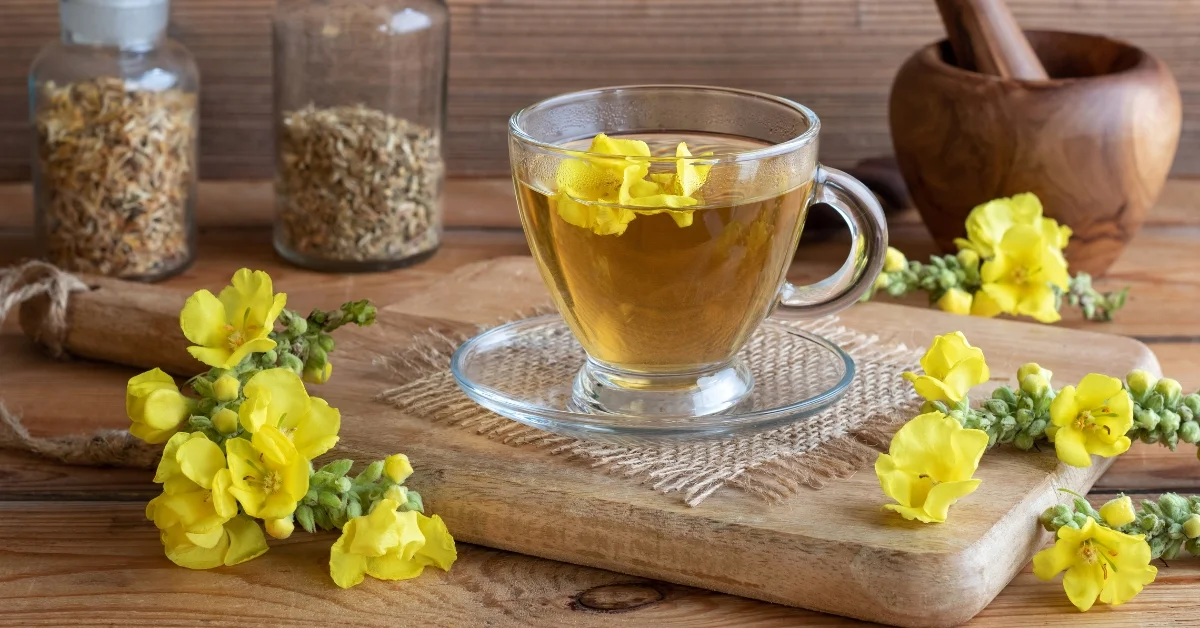
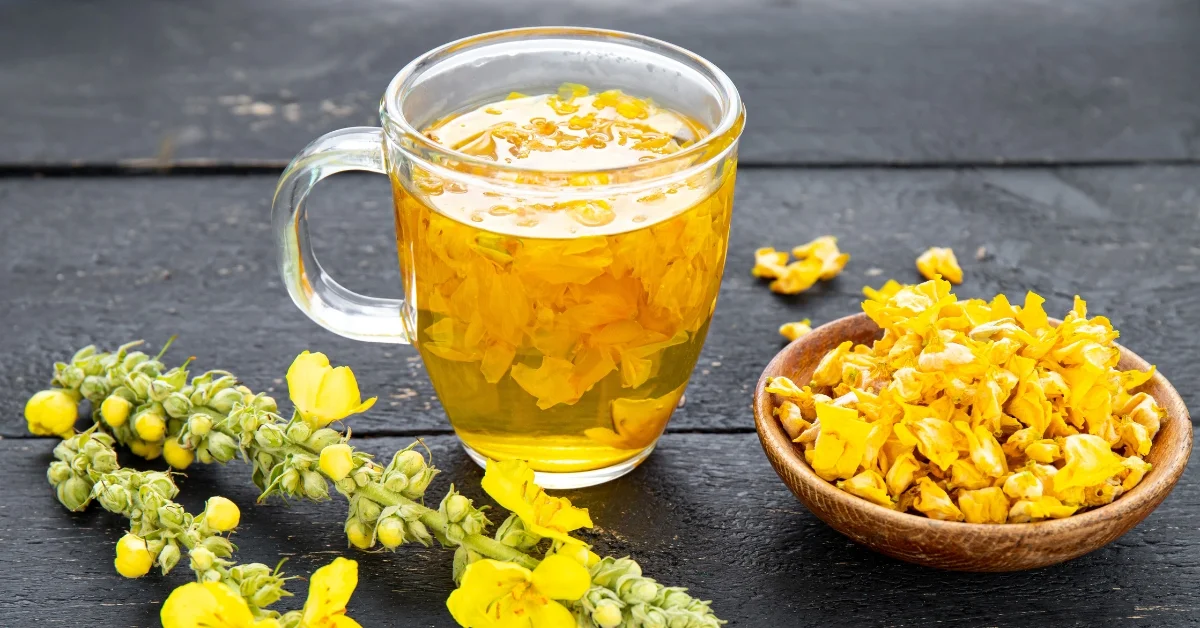
The dried mullein leaves are steeped in hot water to prepare mullein tea, which is commonly used to help relieve symptoms such as cough, hoarseness, sore throat, and chest congestion, often providing gentle relief for irritated airways.
While more research is needed, this traditional use suggests mullein tea may help soothe irritated airways and promote natural healing processes in the body.
Mullein tincture is a concentrated liquid extract made from the plant, traditionally used to ease coughs and support irritated mucous membranes, offering targeted support for throat discomfort.
Though scientific evidence is limited, it remains a popular choice in herbal preparations for respiratory comfort and maintaining mucous membrane integrity.
Another form, mullein oil, is made from the flowers and sometimes the leaves, harnessing the plant’s emollient properties.
Mullein oil is often applied topically to help soothe skin irritation, minor burns, eczema, and wounds, assisting in skin repair and reducing discomfort.
It is also a traditional remedy for ear discomfort and may be used for mild ear irritation, though it should be used with caution and under medical guidance, especially in cases of ear infections.
These mullein preparations—mullein tea, mullein tincture, and mullein oil—continue to be used in traditional medicine as gentle, plant-based options for supporting wellness and relieving discomfort.
How Does Mullein Support Respiratory Health?
Mullein supports respiratory health primarily as a natural expectorant.
The bioactive compounds in mullein leaf, such as saponins, help loosen and expel mucus from the respiratory tract, which may make breathing easier when dealing with colds, cough, or bronchitis, thereby improving airflow and comfort.
Evidence supporting the use of mullein for asthma is limited and not well-established.
Mullein’s anti-inflammatory and possible antibacterial properties, supported by flavonoids and phenylpropanoid glycosides, may help soothe irritation in the throat and airways and could potentially inhibit the growth of certain bacteria associated with respiratory infections, according to some laboratory studies.
These combined actions can lead to decreased coughing and quicker recovery from minor respiratory irritations.
What Are the Antibacterial and Antiviral Properties of Mullein?
Mullein may have antibacterial properties, especially in its extracts, which could help target bacteria involved in respiratory and other bacterial infections, contributing to a reduction in infection-related symptoms.
Some preliminary studies suggest that water-based mullein extracts from the plant’s leaves or flowers may help inhibit the growth of certain bacteria in laboratory settings, supporting its use for mild bacterial concerns.
Mullein also appears to have antiviral properties, helping defend against some viral invaders.
Research indicates that certain species of mullein have demonstrated activity against viruses including influenza A and herpes in laboratory studies, but more research is needed to determine clinical effectiveness in humans.
These properties highlight mullein’s potential as an option for supporting immune defenses and overall respiratory health.
How Can Mullein Be Used for Skin and Wound Care?
Mullein can be used for skin and wound care by applying mullein oil or topical poultices made from the leaves or flowers directly to the affected area, providing gentle care for sensitive skin.
The plant’s anti-inflammatory properties may help soothe skin irritation and could potentially support healing in minor wounds, making it beneficial for reducing redness and swelling.
Mullein has also been traditionally used to calm inflamed skin, making it a gentle option for natural skin care and wound care routines, and possibly aiding in faster recovery and comfort from minor burns or abrasions.
How Is Mullein Prepared and Consumed?
Mullein is available in several forms, each suited to different needs and preferences.
Mullein tea is prepared by steeping dried leaves in hot water for 5–10 minutes, then straining to remove the plant’s natural fuzz, and is favored for its soothing effect on throat irritation and general respiratory health.
This tea may help soothe the throat and support respiratory health, offering natural relief from occasional coughs or dryness.
Tinctures are concentrated liquid extracts made by soaking mullein leaves or flowers in alcohol or glycerin, providing a potent method to access mullein’s bioactive compounds.
These mullein preparations offer a more potent option and may be used for targeted respiratory support; however, information on specific dosage and effectiveness for immune health is limited.
Capsules contain dried mullein leaf powder or extracts and provide a convenient way to take a consistent dose, especially for those who prefer not to drink tea or use tinctures, aiding in routine supplementation.
Oils are created by infusing dried mullein flowers or leaves in a carrier oil, and are typically used topically and may help with skin irritation or ear discomfort by delivering the plant’s soothing effects directly to the skin.
Each form of mullein offers unique benefits, and the best choice depends on your individual health goals and how you prefer to take herbal supplements, allowing for flexible integration into wellness routines.
What Are the Potential Side Effects of Mullein?
Mullein is generally considered safe for most individuals when used as an herbal supplement or remedy, with side effects being uncommon.
However, side effects can occur, especially in people who are allergic to mullein or related plants, so caution is advised for first-time users.
Some individuals may experience skin rash, itching, or swelling after topical use or handling mullein leaves, and monitoring for these symptoms is helpful in early detection of allergies.
In rare cases, mullein may also cause gastrointestinal upset, such as nausea or stomach discomfort; if these symptoms occur, discontinue use and consult a healthcare provider.
To reduce the risk of allergic reactions or other side effects, it’s a good idea to start with a small amount and monitor how your body responds, supporting a safe experience.
As with any herbal product, it is best to check for allergies and consult a healthcare provider if you have concerns, particularly if you have underlying health conditions or are taking medications, which ensures comprehensive health safety.
Can Mullein Interact with Medications?
Limited information exists on direct herb-drug interactions with mullein.
No specific medication interactions are well-established for the mullein plant, leaf, tea, tincture, capsules, or oils, but caution is still wise given the presence of several bioactive compounds.
However, interactions are still possible, as mullein contains bioactive compounds such as saponins, flavonoids, and phenylpropanoid glycosides, which could potentially influence the way your body processes certain medications.
As a safety tip, it’s important to consult a healthcare provider or pharmacist before using mullein—especially if you are taking other medications, to lower the risk of unexpected interactions.
This can help avoid potential herb-drug interactions or unwanted side effects and ensure safe use, making your supplement strategy safer and more effective.
Should Mullein Be Used with Caution by Certain Individuals?
Mullein should be used with caution by certain individuals.
Pregnant women, breastfeeding mothers, and infants are generally advised to avoid mullein unless directed by a healthcare provider, as there is limited safety data available for these groups and their developing systems.
People with serious chronic health conditions should also consult a healthcare provider before using mullein products, to ensure it is safe and appropriate for their individual needs, as this can help avoid complications and ensure the supplement supports overall well-being.
Being proactive with medical guidance further supports safe and effective use of herbal remedies such as mullein.
Herbal Preparations and Recipes for Respiratory Health
Herbal remedies can support respiratory health by easing congestion, soothing irritation, and promoting overall wellness. Mullein is particularly recognized for its expectorant properties, making it a valuable herb for respiratory support. The following recipes utilize mullein and other herbs to help relieve symptoms associated with colds, coughs, and bronchitis.
Always consult a healthcare provider before starting any new herbal regimen, especially if you have existing health conditions or are taking medications.
Soothing Mullein Tea
Ingredients:
- 1 tablespoon dried mullein leaves
- 1 cup boiling water
Preparation:
- Place the dried mullein leaves in a teapot or heatproof cup.
- Pour boiling water over the leaves.
- Cover and steep for 10 minutes.
- Strain carefully to remove the leaves and fine hairs (fuzz).
Drink 1–2 cups daily as needed for respiratory support.
This tea may help soothe irritated airways and encourage easier breathing, making it a gentle option for those experiencing mild respiratory discomfort or cough.
Warnings: Mullein can cause allergic reactions in some individuals. Carefully strain the tea to remove fine hairs, which may otherwise irritate the throat. Discontinue use and consult your healthcare provider if you notice any adverse effects such as irritation, rash, or difficulty breathing.
Respiratory Comfort Blend
Ingredients:
- 1 tablespoon dried mullein leaves
- 1 teaspoon dried marshmallow root
- 1 teaspoon dried thyme
- 1 teaspoon dried peppermint
- 1 cup boiling water
Preparation:
- Combine all the dried herbs in a teapot or heatproof container.
- Pour boiling water over the herb mixture.
- Cover and steep for 15 minutes.
- Strain thoroughly to remove all plant material and fine hairs.
Drink 1 cup 2–3 times daily to support respiratory health.
This blend combines mullein’s expectorant effects with the soothing nature of marshmallow root, the antimicrobial power of thyme, and peppermint’s ability to ease congestion, offering broad support for comfort during coughs or upper respiratory issues.
Warnings: Mullein may cause allergic reactions or throat irritation if not thoroughly strained. Marshmallow root can interfere with the absorption of medications; take it at least 2 hours apart from other medicines. Thyme or peppermint may cause allergic reactions or digestive upset in sensitive individuals. Consult your healthcare provider if you have chronic health conditions or are taking medication, and discontinue use if any adverse effects occur.
These herbal preparations are intended to complement but not replace medical care for respiratory issues. Consult your healthcare provider before use, especially if you have existing health concerns or take medications.