What Is Sun Poisoning?
Sun poisoning is a severe form of sunburn that results from overexposure to ultraviolet (UV) radiation from the sun.
This condition can cause painful skin reactions such as rashes, blistering, and significant redness.
Unlike mild sunburns, sun poisoning often leads to severe skin damage that may require medical attention for proper recovery.
The intense inflammation and tissue injury increase the risk for complications such as dehydration and even create a higher risk of developing skin cancer later in life.
Recognizing the symptoms of severe sunburn early can help you seek treatment and avoid further harm to your skin.
Key Takeaways
- ☀️ Sun Poisoning Is Serious: Sun poisoning is a severe form of sunburn that can cause intense skin damage, significant pain, blistering, and may require medical attention.
- 🕶️ Prevention Is Protection: Using high SPF sunscreen, wearing protective clothing, and avoiding the sun during peak hours are essential ways to prevent sun poisoning, especially for those with fair skin or increased sensitivity.
- 🚨 Know When to Seek Help: If you experience severe blistering, fever, chills, dizziness, or signs of dehydration after sun exposure, it’s important to see a doctor promptly to avoid complications.
- 💧 Hydration and Care Aid Recovery: Soothe the skin with cool compresses, stay hydrated, use calming lotions like aloe, and take anti-inflammatory medicine if needed—seek medical care if symptoms worsen or don’t improve.
What Causes Sun Poisoning?
Sun poisoning is primarily caused by excessive exposure to UV rays, which damage the skin’s cellular DNA.
Factors that increase the risk include spending prolonged periods in direct sunlight without proper sun protection, not using or inadequately applying sunscreen, and being out during peak UV hours.
Certain medications can make your skin more sensitive to the sun, significantly raising the risk of getting severe sunburn or sun poisoning.
Fair-skinned individuals are especially vulnerable due to lower levels of protective melanin, and a lack of preventive measures can result in both short- and long-term skin damage.
Maintaining consistent sun protection habits, such as using broad-spectrum sunscreen, can help block harmful ultraviolet light and reduce the risk.
How Is Sun Poisoning Different from a Regular Sunburn?
Sun poisoning is much more severe than a typical sunburn, both in terms of symptoms and potential complications.
Whereas regular sunburn generally causes temporary redness and mild discomfort, sun poisoning leads to blistering skin as well as extensive pain, swelling, and deep tissue inflammation.
You may also experience fever and chills with sun poisoning, indicating a systemic reaction involving the immune system.
These intense symptoms can increase the likelihood of dehydration, secondary infections, and long-term skin sensitivity.
Understanding the difference between severe sunburn and ordinary sunburn is crucial to knowing when to seek medical help.
What Are the Symptoms of Sun Poisoning?
Symptoms of sun poisoning are usually dramatic and can affect both the skin and body as a whole.
Severe redness, swelling, and painful blistering skin are among the first signs that you may be dealing with more than a simple sunburn.
Additional symptoms may include severe rash, itching, pain, and sensitivity in the affected area, signaling substantial skin damage.
Systemic reactions such as nausea, vomiting, dizziness, chills, and dehydration can also occur, reflecting the serious impact on your body’s overall health.
Recognizing these symptoms early allows for prompt sun poisoning treatment and reduces the chance of further complications.
Who Is at Risk for Sun Poisoning?
Individuals most at risk for sun poisoning are those with fair skin, a history of frequent sunburns, or a genetic predisposition to sun sensitivity.
People who work outdoors or spend extended periods outside without adequate sun protection are particularly vulnerable to severe sunburn and its complications.
Certain medical conditions or medications—such as antibiotics or medications for acne— can increase your skin’s sensitivity to sunlight, compounding the risk.
Even a short duration of intense sun exposure without the use of sunscreen can cause significant damage in susceptible individuals.
Taking precautions, like seeking shade and wearing sun-protective clothing, is essential for those at heightened risk.
What Are the Risks and Complications of Sun Poisoning?
The risks and complications of sun poisoning extend far beyond temporary discomfort and pain.
Severe skin damage can result in blistering, peeling, and in extreme cases, the need for hospitalization due to dehydration or systemic illness.
One of the most serious long-term risks is an increased likelihood of developing skin cancer, particularly with repeated episodes that destroy the skin’s protective barrier.
Sun poisoning can also prompt immune system reactions, leading to ongoing skin sensitivity or pigmentation changes.
Awareness of these complications underscores the importance of early intervention and preventing excessive UV exposure altogether.
How Can You Treat Sun Poisoning?
Treatment for sun poisoning focuses on addressing both the discomfort and the underlying inflammation.
Applying cool compresses to the affected skin provides immediate relief and can help reduce swelling and irritation from severe sunburn.
Over-the-counter anti-inflammatory medications such as ibuprofen are often recommended to help manage pain and systemic symptoms.
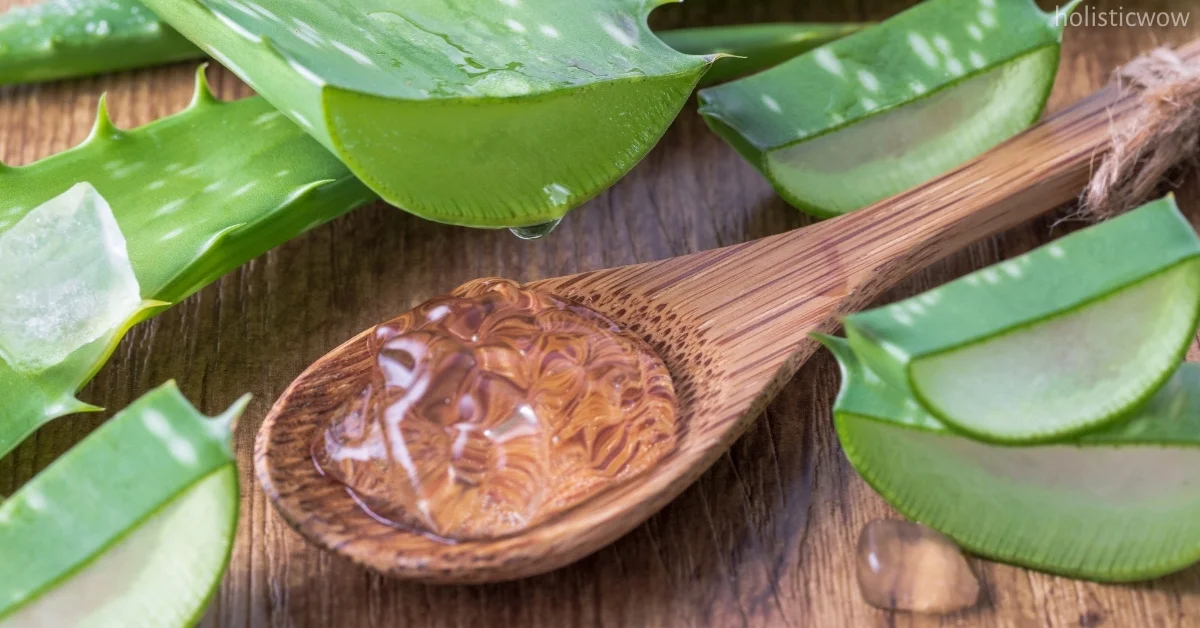
Aloe gel or gentle moisturizing lotions can soothe burning and promote the healing process, supporting the skin’s repair.
In severe cases, especially when there are extensive blisters, fever, or symptoms of dehydration, prompt medical care may be necessary, and prescription medications may be needed to control inflammation and prevent infection.
When Should You Seek Medical Attention for Sun Poisoning?
If you experience severe symptoms from sun poisoning, such as extensive blistering, persistent fever, or chills, it’s important to seek professional medical care right away.
Additional warning signs include dizziness, severe headache, confusion, or symptoms of dehydration like a dry mouth or reduced urination.
Noticing that your symptoms are not improving with home treatment, or worsening over time, is also a clear indication that medical intervention is necessary.
Prompt medical attention can prevent serious complications such as electrolyte imbalance, secondary skin infections, or even life-threatening systemic reactions.
Timely involvement from a healthcare provider can ensure safe and effective recovery from this severe form of sunburn.
How Can Sun Poisoning Be Prevented?
Preventing sun poisoning primarily involves consistent and effective sun safety habits to reduce UV exposure and skin damage.
Wearing sunscreen with a high SPF is essential for blocking damaging ultraviolet rays and minimizing your risk of severe sunburn.
Sun-protective clothing, including hats and long sleeves, can offer an extra layer of defense, especially for those with fair skin or heightened sun sensitivity.
Avoiding direct sunlight during peak hours—typically between 10 a.m. and 4 p.m.—further limits exposure to intense UV radiation.
Regularly reapplying sunscreen and gradually increasing sun exposure allows your skin to adapt and reduces the risk of a severe skin reaction, helping to safeguard your health in the long term.