
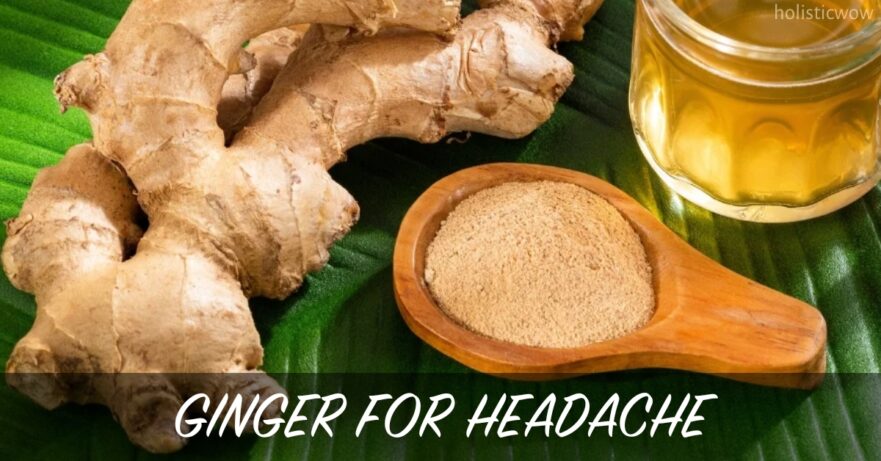
Ginger for headache is gaining popularity as a natural remedy due to its powerful anti-inflammatory and pain-relieving properties, which may help reduce headache and migraine symptoms as well as associated nausea. Whether used as a supplement, tea, or in other forms, ginger offers a promising alternative or addition to traditional headache treatments for many people seeking relief.
Key Takeaways
- 🌱 Natural Relief Option: Ginger is a natural remedy that may help reduce headaches and migraines by fighting inflammation and easing pain, making it a safe option to try alongside or in place of regular medicines.
- 🤢 Eases Nausea Too: Ginger not only helps with head pain, but can also relieve migraine-related nausea and vomiting, offering gentle multi-symptom relief for busy households.
- 🍵 Choose the Right Form: Ginger capsules or powder provide stronger, more predictable relief compared to fresh ginger, with recommended doses typically starting at 550 mg at the first sign of headache.
- ⚠️ Generally Safe, But Check First: Most people tolerate ginger well, but start with a lower dose and talk to your doctor, especially if you’re taking other medicines, to avoid any unwanted side effects or interactions.
What Are the Benefits of Using Ginger for Headaches?
Ginger offers several potential benefits for those experiencing headaches.
It is known for its anti-inflammatory and pain-relieving properties, which may help reduce headache and migraine symptoms.
Many people appreciate that ginger is a natural remedy, and using it may help reduce reliance on over-the-counter medications.
Ginger contains natural compounds like gingerols and shogaols, which are believed to help lower inflammation and ease pain.
These active ingredients are found in various forms of ginger, including ginger extract, ginger powder, and ginger oil, all of which may contribute to its therapeutic effects.
Because these compounds can inhibit inflammatory pathways, ginger may offer fast-acting migraine relief while also supporting overall head comfort.
In addition to pain relief, ginger may also help with nausea and vomiting, which are common symptoms that often accompany migraines.
This makes ginger a promising natural option for headache relief, as it can help you feel better both by reducing head pain and soothing digestive upset.
While more research is needed to fully understand its effects, ginger could potentially be a helpful addition to your headache management routine, offering multi-symptom relief from a single source.
How Does Ginger Provide Pain Relief for Migraines?
Ginger provides pain relief for migraines through its natural oils, which contain powerful anti-inflammatory compounds.
The presence of substances like gingerols and shogaols may help reduce inflammation and influence how the body perceives and generates pain, which can ease migraine symptoms.
These compounds can also help block the production of certain pro-inflammatory chemicals, providing additional migraine symptom support.
Some laboratory evidence and human studies suggest ginger may influence serotonin levels in the brain, and this effect could play a role in migraine relief.
However, the exact mechanism by which ginger affects serotonin and blood vessel constriction is not fully understood, and more research is needed to clarify this action.
By targeting both inflammation and some potential neurological processes, ginger may help reduce the frequency and intensity of migraine episodes.
Because of these pain-relieving and anti-inflammatory effects, ginger may serve as a helpful alternative or complement to traditional migraine treatments and offer a more natural, holistic approach for many patients.
What Does Research Say About Ginger’s Efficacy in Treating Migraines?
Research suggests that ginger may help reduce migraine symptoms.
A randomized controlled trial (RCT) found that a 400-mg ginger extract supplement, when combined with a nonsteroidal anti-inflammatory drug, was more effective in relieving migraine symptoms than the medication alone.
Another study showed that 250 mg of ginger powder was about as effective as the prescription medication sumatriptan for reducing migraine pain over two hours.
These studies point to ginger’s therapeutic efficacy as an adjunctive treatment, especially in improving pain outcomes in clinical trials.
These findings indicate that ginger supplements could potentially be a helpful option for migraine relief, particularly for those looking to avoid the side effects of prescription medications.
However, while early results are promising, more large-scale studies and meta-analyses are needed to confirm ginger’s efficacy and better understand how it compares to conventional treatments.
The available research underscores ginger’s role in potentially reducing both the intensity and duration of migraines.
Can Ginger Help with Nausea and Vomiting Associated with Migraines?
Yes, ginger may help relieve nausea and vomiting associated with migraines.
Compounds in ginger, including those found in ginger extract and ginger lozenges, have been shown to support nausea relief, making it a potentially helpful natural option during migraine attacks.
The unique ability of ginger to settle the stomach can lead to quicker recovery from migraine-related digestive distress.
Ginger’s anti-inflammatory properties may also play a role in easing migraine-related symptoms, adding another layer of relief during attacks.
It can be especially useful for individuals who don’t tolerate conventional medications well, offering relief with a low risk of side effects.
This makes ginger an essential tool for managing both head pain and the gastrointestinal discomfort that often accompanies migraines.
While more research is needed to fully understand its effects, ginger could potentially improve comfort during migraine episodes as part of a broader symptom management plan.
What Forms of Ginger Are Most Effective for Headache Relief?
Ginger comes in several forms that may help with headache relief.
Research suggests that ginger capsules and ginger powder can be particularly helpful in reducing migraine symptoms.
These forms provide concentrated amounts of ginger’s active compounds, such as gingerols and shogaols, which have anti-inflammatory and pain-relieving properties that target the root causes of headache pain.
Other forms like ginger tea and ginger lozenges may also offer relief, especially for nausea that often comes with migraines or other types of headaches.
Incorporating ginger into your diet—through tea or food—may deliver gentle, ongoing benefits for headache prevention.
Ginger essential oil is sometimes used for aromatherapy, but evidence for topical use in headache relief is limited, and it should not be applied undiluted to the skin.
Each form offers different benefits, so choosing the right one often depends on your symptoms and personal preference, with options available for acute, targeted, or supportive use.
Should You Use Fresh Ginger or Ginger Supplements for Headaches?
Ginger supplements—especially those made with ginger extract or dried ginger powder—are generally recommended for headache relief.
These forms provide a more concentrated dose of active compounds like gingerols and shogaols, which have shown potential benefits for reducing headache symptoms in clinical studies.
Choosing a ginger supplement can result in greater consistency and predictability in symptom control.
Fresh ginger can also be beneficial, but it typically contains lower levels of these active ingredients compared to a ginger supplement.
As a result, it may not offer the same concentration or consistency of benefit as more concentrated forms like ginger extract or ginger powder, but it can still provide some anti-inflammatory effects in the diet.
When using any form of ginger, it’s important to keep in mind that the chemical composition can vary between sources.
Dosage and individual response can also differ, and interactions with other medications are possible, so it’s a good idea to talk with a healthcare provider to determine the most effective and safe option for you—ensuring that you experience the full potential benefits without unnecessary risks.

What Is the Recommended Dosage of Ginger for Headache Relief?
For headache relief, the typical recommended dosage of ginger is a 550 mg ginger capsule taken at the first sign of a headache.
This dose may be repeated once or twice in 24 hours if needed, allowing for flexible symptom management throughout the day.
If using ginger powder, mix 1/8 to 1/4 teaspoon in water for similar benefits in migraine or headache relief.
Ginger extract and other preparations should be taken according to the manufacturer’s instructions or as directed by a healthcare provider.
Adhering to the right dosage can help maximize pain-free intervals and minimize the risk of side effects or overuse.
It’s important to adjust the dosage based on how your body responds and to talk with a healthcare provider for personalized advice—especially if you’re taking other medications.
Always follow the directions on the product label to ensure safe use and optimize the benefits of ginger supplementation.
Are There Any Side Effects of Using Ginger for Headaches?
Ginger is generally safe for most people, but some may experience mild side effects when using it for headaches.
These can include heartburn, gas, nausea, throat irritation, diarrhea, flushed skin, or rash.
These side effects are more likely to occur at higher doses or with long-term use, and are usually mild and self-limited.
Starting with a moderate dose of ginger extract can help minimize the likelihood of unwanted reactions, while still delivering therapeutic benefits.
It’s a good idea to start with a lower dose to see how your body responds and to monitor for any adverse events.
If you notice any side effects, talk to your healthcare provider—especially if you take other medications or have underlying health conditions.
Ginger may interact with certain drugs, such as blood thinners or diabetes medications, so seeking medical advice before adding it to your routine is recommended.
Despite the potential for minor reactions, ginger’s safety profile is one of its advantages compared to some conventional pain relievers.
How Does Ginger Compare to Other Headache Treatments?
Ginger serves as a natural alternative to conventional headache treatments.
Research suggests that ginger extract may offer similar efficacy to some non-steroidal anti-inflammatory drugs (NSAIDs) in reducing migraine symptoms for some people, although individual responses can vary.
Those seeking to avoid synthetic medications may find that ginger’s pain outcomes and safety make it an appealing first step in headache management.
It is often recommended as a complementary treatment rather than a full replacement for standard therapies, especially for those looking to reduce medication use or avoid side effects.
Some studies indicate that ginger may reduce headache intensity within two hours of use, making it a promising option for prompt relief in some cases and supporting faster return to normal activities.
However, its overall effectiveness compared to established treatments like NSAIDs remains uncertain due to limited large-scale studies.
Therefore, it’s important to consult with a healthcare provider to determine the most appropriate treatment plan for your headaches and discuss how ginger could fit into your individualized care.
Is Ginger a Suitable Home Remedy for Headaches?
Yes, ginger is considered a suitable home remedy for headaches due to its natural anti-inflammatory and pain-relieving properties.
It may help reduce headache symptoms, especially in people who experience migraines with nausea and those looking for a holistic approach.
Ginger can be consumed in various forms—such as ginger tea, ginger lozenges, or a ginger supplement—making it a versatile option for those seeking natural relief.
Using ginger at home can help manage symptoms without the need for frequent medication, supporting overall well-being and self-care.
While more research is needed to fully understand ginger’s effectiveness and how it compares with conventional headache medications, it may offer a helpful alternative or addition for people who cannot take traditional treatments or prefer natural approaches.
This makes ginger an easy and accessible remedy to incorporate into your daily routine for ongoing headache support.
Herbal Preparations and Recipes for Headaches
Herbal remedies can provide natural support for managing headaches, particularly through the use of ginger, which is known for its anti-inflammatory and pain-relieving properties. The following recipes utilize ginger and other supportive herbs to help alleviate headache symptoms.
Always consult a healthcare provider before starting any new herbal regimen, especially if you have existing health conditions or are taking medications.
Soothing Ginger Tea
Ingredients:
- 1 tablespoon fresh ginger root, grated (or 1 teaspoon dried ginger root)
- 1 cup boiling water
- Honey or lemon (optional, to taste)
Preparation:
- Place the grated ginger in a teapot or cup.
- Pour boiling water over the ginger.
- Cover and steep for 10 minutes.
- Strain and add honey or lemon if desired.
Drink 1–2 cups daily as needed at the first sign of headache symptoms.
This simple ginger tea may help reduce headache discomfort by harnessing ginger’s gentle anti-inflammatory effects, and can also support comfort with mild digestive upset that sometimes accompanies headaches.
Warnings: Ginger can cause mild gastrointestinal upset, heartburn, or diarrhea in some individuals. Use caution if you are taking blood thinners, have gallstones, or bleeding disorders. Discontinue use and consult your provider if you experience side effects.
Ginger and Herbal Headache Relief Blend
Ingredients:
- 1 teaspoon dried ginger root
- 1 teaspoon dried peppermint leaf
- 1 teaspoon dried chamomile flowers
- 1 teaspoon dried feverfew
- 1 cup boiling water
Preparation:
- Combine all the dried herbs in a teapot or infuser.
- Pour boiling water over the herb mixture.
- Cover and steep for 15 minutes.
- Strain and drink warm.
Drink 1 cup up to three times daily as needed for headache relief.
This herbal blend combines ginger’s anti-inflammatory actions with peppermint and chamomile’s calming qualities and feverfew’s traditional use to help manage headache frequency and discomfort.
Warnings: Feverfew may cause mouth irritation, mouth ulcers, or gastrointestinal upset in some individuals. Do not use feverfew during pregnancy or breastfeeding. Individuals taking blood-thinning medications or with bleeding disorders should consult a healthcare provider before use. Avoid long-term continuous use of feverfew without breaks. Peppermint and chamomile may cause allergic reactions in sensitive individuals, particularly those allergic to plants in the mint or daisy family.
These herbal preparations are intended to complement—but not replace—conventional treatments for headache. Consult a healthcare provider before use, especially if you have health conditions or take medications.