
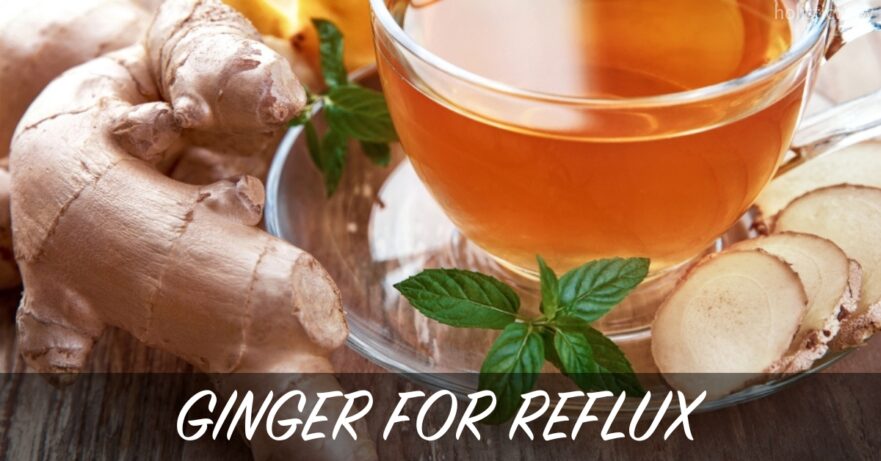
What Is Ginger’s Role in Managing Acid Reflux?
Ginger may help reduce acid reflux symptoms in some individuals due to its natural anti-inflammatory properties.
It contains compounds that may help decrease inflammation in the digestive tract and support healthy digestion by reducing irritation and promoting a balanced digestive environment.
By improving overall digestive comfort, ginger may offer potential benefits for people with acid reflux or gastroesophageal reflux disease (GERD), but high-quality studies are limited.
Small doses of ginger may offer mild relief for occasional symptoms and can be considered a natural remedy, providing antioxidant support and a gentle approach for indigestion.
Key Takeaways
- 🫚 Ginger Soothes Digestion: Ginger can help ease acid reflux symptoms and soothe your digestive tract thanks to its natural anti-inflammatory and antioxidant properties.
- ☕ Enjoy in Small Amounts: Drinking ginger tea or adding small amounts of fresh ginger to meals can provide gentle relief, but it’s important to avoid overuse to prevent stomach upset or worsening reflux.
- ⚠️ Use Caution With Medications: If you take blood thinners or have certain health conditions (like gallstones or high blood pressure), always talk to your doctor before using ginger regularly, especially in supplement form.
- 🌿 Herbal Blends Offer Extra Comfort: Calming herbal mixes with ginger, chamomile, and other gentle herbs can further support digestive comfort, but should be used wisely and for short periods unless approved by your healthcare provider.
What Are the Benefits of Ginger for Acid Reflux?
It is rich in antioxidants and phenolic compounds, which may help reduce inflammation associated with acid reflux symptoms while protecting digestive cells from oxidative stress.
Its natural anti-inflammatory properties can help soothe the digestive tract and decrease irritation, leading to improved comfort after meals and reduced burning sensations.
Ginger may also support faster gastric emptying, which in some cases may help reduce the likelihood of stomach contents backing up into the esophagus, a common cause of acid reflux.
How Does Ginger Support Digestive Health?
Ginger supports digestive health by helping reduce inflammation in the digestive tract and promoting faster gastric emptying, which may ease symptoms like bloating and nausea.
Its unique bioactive components, such as gingerols and shogaols, contribute to soothing gastrointestinal irritation and support a healthier inflammatory balance within the gut.
By supporting normal motility and enhancing nutrient absorption, ginger may reduce experiences of indigestion and discomfort.
How Does Ginger Affect the Lower Esophageal Sphincter?
By promoting faster gastric emptying, ginger can help decrease the volume of stomach contents, which may reduce pressure on the LES and lower the risk of acid regurgitation.
These actions could potentially lower the risk of acid regurgitation and support LES function, contributing to fewer reflux episodes.
Available research suggests that ginger does not significantly affect LES resting pressure or the strength and duration of esophageal contractions during swallowing, maintaining neutral effects on this crucial muscle.
What Are the Best Ways to Consume Ginger for Acid Reflux Relief?
Fresh ginger is versatile and can be grated, sliced, or diced to add to dishes, or eaten raw in small amounts, allowing you to benefit from its active compounds directly.
Ginger tea is another popular option. You can prepare it by steeping fresh ginger in boiling water for about 10 to 15 minutes.
For convenience, ginger is also available in other forms such as powder, ginger supplements, or ginger oil, allowing for easy incorporation into dietary changes.

How Can Ginger Be Used as a Natural Remedy for GERD?
Ginger can be used as a natural remedy for gastroesophageal reflux disease (GERD) by incorporating it into your diet in various forms such as teas, capsules, or fresh ginger added to meals.
Its natural anti-inflammatory properties may help soothe the esophagus and stomach lining, offering protective effects against irritation and supporting overall digestive comfort, which could potentially provide mild relief from GERD symptoms.
Ginger’s ability to help promote faster gastric emptying may also result in fewer reflux episodes by minimizing food retention in the stomach.
Can Ginger Worsen Acid Reflux Symptoms?
Ginger is generally considered safe and may even help soothe digestive issues when used in small amounts by promoting anti-inflammatory effects and aiding mild nausea.
However, consuming too much ginger can potentially worsen acid reflux symptoms.
Excessive intake may lead to digestive discomfort, including gas, bloating, or diarrhea, which may exacerbate existing acid reflux or create new symptoms.
What Are the Risks and Side Effects of Consuming Ginger?
Ginger is generally safe when consumed in typical culinary amounts, providing potential digestive and anti-inflammatory benefits with a low risk profile.
However, taking it in high doses may lead to side effects such as digestive discomfort, gas, bloating, or diarrhea, especially for those sensitive to strong spices.
Individuals with certain health conditions—such as gallstones—or those taking blood-thinning medications should exercise caution due to possible interactions and increased bleeding risk.
Ginger supplements may interact with some medications, so talking with your healthcare provider before starting any supplement is strongly recommended to ensure safety.
Herbal Preparations and Recipes for Acid Reflux
Herbal remedies can help manage symptoms of acid reflux by utilizing the anti-inflammatory and digestive-supporting properties of certain herbs. The following recipes focus on gentle herbs like ginger, chamomile, marshmallow root, and licorice root, known for their potential to reduce inflammation and support digestive health. Always consult a healthcare provider before starting any new herbal regimen, especially if you have existing health conditions or are taking medications.
Soothing Ginger Tea
Ingredients:
- 1 tablespoon fresh ginger root, grated or sliced
- 1 cup boiling water
Preparation:
- Place the grated or sliced ginger in a teapot or cup.
- Pour boiling water over the ginger.
- Cover and steep for 10–15 minutes.
- Strain and drink warm. Honey or lemon can be added for taste if desired.
Drink 1–2 cups daily as needed for relief from acid reflux symptoms.
This tea can help soothe the digestive tract and may alleviate mild acid reflux and occasional indigestion, making it a gentle and effective remedy for digestive discomfort.
Warnings: Ginger can cause mild side effects such as heartburn or digestive upset in sensitive individuals. If you are pregnant, breastfeeding, or taking blood thinners, consult your healthcare provider before regular use.
Digestive Harmony Herbal Blend
Ingredients:
- 1 teaspoon dried ginger root
- 1 teaspoon dried chamomile flowers
- 1 teaspoon dried marshmallow root
- 1 teaspoon dried licorice root
- 1 cup boiling water
Preparation:
- Combine all the dried herbs in a teapot or heatproof cup.
- Add boiling water and cover to steep for 15 minutes.
- Strain and drink warm.
Drink 1 cup, 1–2 times daily as needed for support with acid reflux or digestive irritation. Limit use to no more than 2 weeks at a time unless directed by your healthcare provider.
This herbal blend combines four soothing herbs to help calm the digestive lining and reduce inflammation, which may provide relief from irritation and burning associated with acid reflux.
Warnings: Licorice root can cause elevated blood pressure and fluid retention, especially with prolonged use or in larger amounts. Avoid if you have high blood pressure, heart disease, kidney disease, are pregnant, or are taking medications that interact with licorice. Do not use for more than 2 weeks continuously without medical supervision. If you develop a headache, swelling, or other unusual symptoms, discontinue use and consult your provider. Chamomile may rarely cause allergic reactions in those sensitive to ragweed or related plants.
These herbal preparations can support digestive health and may help manage acid reflux symptoms, but should not replace conventional care. Always consult your healthcare provider before starting a new herbal regimen, especially if you have underlying conditions or take prescription medication.