
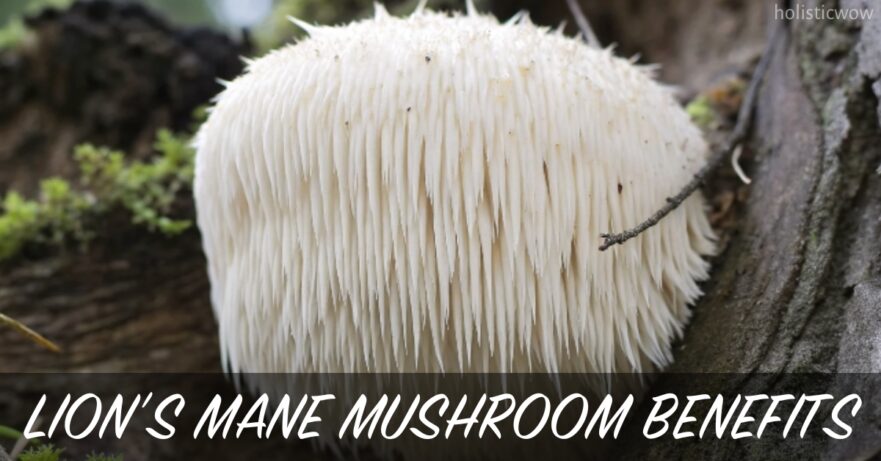
What Are the Benefits of Lion’s Mane Mushroom?
Lion’s Mane mushroom offers a variety of potential health benefits.
It may support nerve development and function, which could help protect nerve cells from damage and promote overall nervous system health.
These neuroprotective properties are linked to compounds in the mushroom that stimulate the production of nerve growth factor (NGF), a protein important for the growth and survival of neurons.
This mushroom may also help protect the stomach lining and could potentially aid in the healing of gastric ulcers, based primarily on animal studies.
Animal studies suggest that Lion’s Mane may support digestive health by reducing inflammation and promoting tissue repair in the gastrointestinal tract.
However, more human research is needed.
Lion’s Mane mushrooms are known for their antioxidant activity, which in preclinical studies may help reduce inflammation and support the immune system.
The mushroom contains bioactive compounds, such as polysaccharides and oligosaccharides, that have been shown in cell and animal studies to enhance immune function and protect cells from oxidative stress.
When it comes to cognitive function, Lion’s Mane mushrooms may support brain health by promoting the synthesis of NGF.
This could contribute to modest memory improvement and mood enhancement, as suggested by early studies .
Preliminary research, including small human studies, suggests that Lion’s Mane may help improve symptoms of mild cognitive impairment and could potentially play a role in supporting brain health in early cognitive decline and the early stages of Alzheimer’s disease.
However, the evidence is limited, and larger, well-controlled clinical trials are needed to confirm these effects.
Additionally, Lion’s Mane may help alleviate symptoms of anxiety and depression, based on small short-term trials.
Some small clinical trials have shown that short-term supplementation may reduce feelings of irritability, anxiousness, and low mood, possibly due to its effects on the nervous system and inflammation.
While these findings are promising, more high-quality human research is needed to fully confirm the therapeutic applications of Lion’s Mane mushroom.
Key Takeaways
- 🧠 Brain Health Booster: Lion’s Mane mushroom may support cognitive function by promoting nerve growth factor production, potentially aiding memory and mood improvements.
- 🛡️ Neuroprotective Properties: The mushroom’s compounds may protect neurons, offering potential benefits for neurodegenerative conditions and overall brain health.
- 🦠 Immune System Support: Lion’s Mane contains bioactive compounds that may enhance immune function and reduce inflammation, contributing to better overall health.
- 💊 Potential for Anxiety and Depression Relief: Some studies suggest Lion’s Mane may help alleviate symptoms of anxiety and depression, possibly due to its effects on the nervous system.
What Are the Uses of Lion’s Mane Mushroom in Traditional Medicine?
Lion’s Mane mushroom, scientifically known as Hericium erinaceus, has been traditionally used in East Asian medicine for various health-related purposes.
It has long been valued for its potential to support memory, focus, and digestive health, especially in Traditional Chinese and Japanese medicine.
In traditional medicine, Lion’s Mane mushrooms serve both culinary and medicinal roles.
They are consumed in various forms, such as fresh, dried, or as dietary supplements, to potentially support brain health, digestive health , and stress management.
While these traditional uses are well-established, ongoing modern scientific research is also underway.
Early studies suggest that compounds in Lion’s Mane, such as erinacines and hericenones, may help promote nerve growth, support cognitive function, and modulate immune responses.
However, robust clinical validation is still limited.
Lion’s Mane mushroom continues to be explored for its promising health benefits, and its traditional uses remain a foundation for current interest in its role as a functional food and supplement.

How Does Lion’s Mane Mushroom Support Cognitive Function?
Lion’s Mane mushroom may support cognitive function primarily through its neuroprotective properties.
Compounds such as hericenones and erinacines, found in Hericium erinaceus, may help stimulate the production of nerve growth factor (NGF), which plays a crucial role in neurogenesis —the growth and repair of nerve cells.
These bioactive compounds may help protect against neurodegeneration and reduce oxidative stress and inflammation, which are factors involved in conditions like Alzheimer’s disease and Parkinson’s disease.
By supporting nerve cell health, Lion’s Mane may help reduce the impact of neurotoxicity and promote overall brain function.
Research suggests that Lion’s Mane mushroom may contribute to memory improvement and enhanced cognitive abilities, particularly in individuals with mild cognitive impairment.
A clinical study showed improvements in memory and daily functioning in people with early-stage Alzheimer’s disease after long-term supplementation with erinacine A-enriched Hericium erinaceus mycelia.
Additionally, preliminary studies in healthy adults suggest that Lion’s Mane may support faster cognitive processing and reduced stress levels; however, further research is needed to confirm these effects in larger populations.
Can Lion’s Mane Mushroom Help with Anxiety and Depression?
Lion’s Mane mushroom may help reduce symptoms of anxiety and depression.
Research suggests that regular intake over four weeks may lead to improvements in mood, possibly due to its neuroprotective properties and its ability to stimulate nerve growth factor (NGF), which plays a role in brain health and mood regulation.
A small study involving women with various health conditions found that those consuming Lion’s Mane extracts reported lower levels of depressive symptoms and stress compared to those who received a placebo.
These findings suggest a potential benefit for mental health, although the exact mechanisms—whether related to NGF stimulation or other factors—are still being investigated.
Additionally, Lion’s Mane mushroom contains compounds with anti-inflammatory and antioxidant effects, which may indirectly contribute to mood enhancement and support overall mental well-being.
Its potential to support the nervous system and reduce oxidative stress may help support emotional balance and alleviate symptoms of anxiety and depression.
However, while early results are promising, more large-scale human studies are needed to confirm these benefits and better understand how Lion’s Mane mushroom supports mental health.

What Are the Neuroprotective Properties of Lion’s Mane Mushroom?
Lion’s Mane mushroom contains compounds, such as hericenones and erinacines, that may stimulate the production of nerve growth factor (NGF), which is essential for the survival, growth, and maintenance of neurons.
This NGF-stimulating activity is believed to contribute to the mushroom’s neuroprotective properties.
These neuroprotective properties may help support brain health and could potentially play a role in slowing the progression or onset of neurodegenerative diseases.
Research suggests that Lion’s Mane may aid in neurogenesis—the growth and development of new nerve cells — in animal and in vitro models, and help protect existing neurons from damage.
Preliminary studies have shown that Lion’s Mane mushroom may have potential therapeutic applications in conditions such as Alzheimer’s disease and nerve injuries.
For example, erinacine A-enriched extracts have demonstrated potential in improving cognitive function in individuals with mild Alzheimer’s disease.
By promoting NGF production and reducing inflammation and oxidative stress, Lion’s Mane could provide a complementary role in maintaining cognitive function and protecting against neurological damage.
While more research is needed, especially in larger human trials, current findings are promising and suggest that Lion’s Mane mushroom may be a valuable natural option for supporting brain and nerve health.
How Does Lion’s Mane Mushroom Affect the Immune System?
Lion’s Mane mushroom may help support immune system function, potentially benefiting overall health.
These effects are thought to be linked to its bioactive compounds, particularly polysaccharides, which may help reduce inflammation and oxidative stress.
Research suggests that Lion’s Mane can enhance immune activity in the gut, where a large portion of the immune system resides.
Specifically, it may promote the growth of beneficial gut bacteria and stimulate the production of immune-related proteins, such as secretory IgA (SIgA), as observed in animal studies, which help defend against harmful microbes.
These actions may contribute to improved gut health and overall immune function, though human studies are still limited.
Some studies also suggest that Lion’s Mane polysaccharides may affect immune cells, including T cells, macrophages, and natural killer (NK) cells, potentially enhancing the body’s defense mechanisms.
However, individuals with autoimmune diseases should exercise caution, as stimulating the immune system could potentially worsen symptoms in some cases.
While early research in animals and cell studies is promising, more human studies are needed to fully understand how Lion’s Mane mushroom affects the immune system and its implications for specific health conditions.
Does Lion’s Mane Mushroom Aid in Diabetes Management?
Lion’s Mane mushroom (Hericium erinaceus) may help support diabetes management by contributing to the modulation of blood sugar levels.
Studies in experimental models suggest that it has antihyperglycemic effects, meaning it may help reduce elevated blood sugar levels.
This mushroom appears to influence enzymes involved in glucose metabolism, such as those that break down carbohydrates, which could potentially aid in blood sugar control.
Compounds in Lion’s Mane, including those that inhibit α-glucosidase, may contribute to its anti-diabetic properties.
While these findings are promising, most of the current evidence comes from laboratory and animal studies.
More high-quality clinical research in humans is needed to confirm these effects and better understand how Lion’s Mane may support diabetes management.
Can Lion’s Mane Mushroom Improve Gastrointestinal Health?
Lion’s Mane mushroom may support gastrointestinal health through its potential gastroprotective and anti-inflammatory properties.
Animal studies suggest it could help protect the stomach lining and may aid in the healing of gastric ulcers, which can contribute to better overall digestive health.
Lion’s Mane mushrooms may also promote gut health by encouraging the growth of beneficial gut bacteria while helping to reduce the growth of harmful ones, as observed in preclinical studies.
This balance is important for maintaining a healthy digestive system.
Thanks to its anti-inflammatory effects, Lion’s Mane mushroom may help alleviate discomfort linked to inflammatory bowel conditions such as IBS (irritable bowel syndrome) and IBD (inflammatory bowel disease), potentially improving digestive comfort and function.
However, while early studies—mainly in animals and lab settings—are promising, more high-quality human research is needed to confirm these digestive health benefits.
What Are the Potential Anti-Cancer Effects of Lion’s Mane Mushroom?
Lion’s Mane mushroom (Hericium erinaceus) may have potential anti-cancer properties.
Some laboratory and animal studies suggest that its extracts can help inhibit the growth of cancer cells and may induce cancer cell death under controlled conditions.
The antioxidant activity of Lion’s Mane mushroom could potentially support cancer prevention by helping to neutralize harmful free radicals and reduce inflammation, which are contributing factors in cancer development.
However, these findings are based primarily on in vitro (test tube) and animal research, and there is currently limited evidence from human studies.
While the early results are promising, more clinical research is needed to determine how these effects translate to human health and whether Lion’s Mane can play a role in cancer treatment or prevention.
What Are the Side Effects of Lion’s Mane Mushroom?
Lion’s Mane mushroom is generally considered safe when consumed in appropriate doses.
However, some individuals may experience mild side effects such as gastrointestinal discomfort, including stomach upset or nausea, and a skin rash.
These effects have been reported in a small percentage of users, with one study noting symptoms in about 13% of participants.
For individuals with a mushroom allergy, Lion’s Mane may trigger allergic reactions such as skin rashes or, in rare cases, difficulty breathing.
Anyone with a known mushroom allergy should use caution and consult a healthcare provider before use.
Lion’s Mane mushroom may interact with certain medications.
It has been shown in animal and in vitro studies to slow blood clotting and lower blood sugar levels.
Therefore, individuals taking blood thinners or antidiabetic drugs should consult their healthcare provider before starting supplementation.
These possible drug interactions highlight the importance of medical guidance, especially for those managing chronic conditions.
Pregnant or breastfeeding women and young children should consult a healthcare provider before using Lion’s Mane mushroom.
Although early research suggests it may be well-tolerated, more studies are needed to confirm its safety during pregnancy and breastfeeding.

How Safe Is Lion’s Mane Mushroom for Consumption?
Lion’s Mane mushroom is generally considered safe for most people when consumed in doses of around 1 gram daily for up to 16 weeks, based on studies using erinacine A-enriched mycelia.
This dosage has been well-tolerated in human studies, with few reported side effects.
However, individuals with autoimmune diseases or bleeding disorders should consult a healthcare professional before use, as Lion’s Mane may affect immune activity or blood clotting.
The safety of Lion’s Mane supplements can vary, as dietary supplements are not strictly regulated in the United States.
Product quality, purity, and active ingredient levels may differ between brands.
It is essential to follow the dosage instructions provided on the product label and consult a healthcare professional if you are unsure whether Lion’s Mane mushroom is suitable for your individual health needs.
Current research suggests that Lion’s Mane mushroom has a favorable safety profile for most healthy adults.
Still, caution is advised for those with specific medical conditions or who are taking medications that may interact with its bioactive compounds.
Does Lion’s Mane Mushroom Interact with Medications?
Lion’s Mane mushroom may interact with certain medications, particularly those used to treat diabetes and blood clotting disorders.
It may lower blood sugar levels, which poses a risk of hypoglycemia when used alongside antidiabetic drugs, as suggested by animal studies.
Additionally, Lion’s Mane may slow blood clotting, which could increase the risk of bleeding if taken with anticoagulants, such as blood thinners, based on in vitro and animal studies.
Therefore, monitoring is advised when these medications are used concurrently with Lion’s Mane supplements.
Consulting a healthcare professional before starting Lion’s Mane supplements is recommended, especially for individuals on medication or with underlying health conditions.