
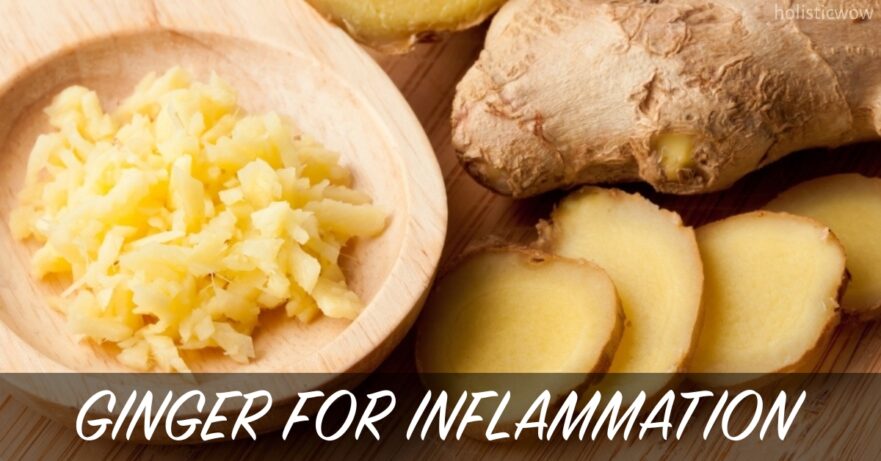
Ginger for inflammation is gaining increasing attention as scientific research uncovers how its natural compounds help reduce pain and swelling in a variety of health conditions. Thanks to bioactive ingredients like gingerols and shogaols, ginger offers a promising, natural alternative to traditional anti-inflammatory medications.
Key Takeaways
- 🔥 Natural Inflammation Fighter: Ginger contains special compounds, like gingerols and shogaols, which may help reduce pain and swelling in conditions such as arthritis thanks to their anti-inflammatory and antioxidant powers.
- 🛡️ Immune Balance & Protection: Ginger not only soothes inflammation but also helps control the immune system, possibly easing symptoms in autoimmune and chronic inflammatory diseases by calming overactive immune responses.
- 🌱 Gentle on the Stomach: Unlike many pharmacy painkillers, ginger is less likely to irritate your stomach, making it a safe and natural option for long-term use—especially helpful if you have sensitive digestion.
- 🥄 How to Use Safely: Ginger can be enjoyed as tea or supplements, but stick to recommended doses (up to 4 grams daily), and always talk to your doctor first if you have health concerns, take medicines, or are pregnant.
What Are the Bioactive Compounds in Ginger?
Ginger contains several bioactive compounds, notably phenolic compounds and terpenes.
The primary phenolic compounds include gingerols, shogaols, paradols, and zingerone, with 6-gingerol being the most abundant and well-studied compound in fresh ginger.
These compounds may help support health through their anti-inflammatory and antioxidant properties, offering protection against cellular damage.
For example, gingerols are converted to shogaols during the drying or heating of ginger, and this process may enhance certain biological effects, allowing for increased antioxidant activity as ginger transforms.
Research suggests that these bioactive compounds may help reduce inflammation by inhibiting certain pathways in the body, such as COX-2 and LOX, which are involved in the inflammatory response.
By blocking these pathways, ginger’s bioactive compounds can help suppress harmful inflammation, which is crucial for chronic disease prevention.
What Are the Anti-Inflammatory Properties of Ginger?
Ginger has notable anti-inflammatory properties, largely due to its bioactive compounds such as 6-gingerol and 6-shogaol.
These compounds may help reduce inflammation by inhibiting the COX-2 and LOX pathways, which are involved in the body’s inflammatory response and are commonly upregulated in chronic inflammatory conditions.
By limiting the production of inflammatory mediators and cytokines, ginger could potentially help ease inflammation and pain, especially in conditions like arthritis, providing relief from joint discomfort.
It has also been used in traditional medicine for its ability to support joint and digestive health, contributing to improved mobility and enhanced gastrointestinal well-being.
Because of these effects, ginger may be a helpful natural option for managing symptoms of certain inflammatory diseases, including rheumatoid arthritis, inflammatory bowel disease like Crohn’s disease and ulcerative colitis, and psoriasis.
Inhibiting inflammatory mediators has the added benefit of supporting recovery from inflammatory flare-ups.
While ginger’s anti-inflammatory activity has been observed in both laboratory and some clinical studies, more research is needed to determine its effectiveness for chronic inflammatory diseases such as lupus erythematosus.
How Does Ginger Modulate the Immune Response?
Ginger modulates the immune response by influencing several key signaling pathways, such as NF-kB, MAPK, and PI3K/Akt/mTOR.
Rather than completely inhibiting these pathways, ginger appears to regulate them, which may help limit excessive immune activation and prevent runaway inflammation.
This can help reduce the production of pro-inflammatory cytokines and enzymes, which can help calm excessive inflammation and diminish symptoms associated with chronic inflammatory diseases.
This process may support the resolution of inflammation and help restore immune balance, making ginger particularly valuable for autoimmune conditions where overactive immunity damages tissues.
Compounds in ginger, such as 6-shogaol, have been shown in laboratory studies to reduce the generation of reactive oxygen species (ROS) in neutrophils, which are immune cells involved in inflammation, thereby reducing oxidative stress.
Ginger may also help suppress the formation of neutrophil extracellular traps (NETs), which, when overactive, can contribute to tissue damage in autoimmune conditions, allowing for healthier tissue maintenance during immune challenges.
Because of these effects, ginger could potentially be beneficial in managing inflammatory conditions like rheumatoid arthritis and inflammatory bowel disease.
How Does Ginger Reduce NF-kB Levels and Inflammatory Cytokines?
Ginger may help reduce NF-kB levels and inflammatory cytokines by inhibiting the activation of NF-kB, a key regulator of the body’s inflammatory response.
Its bioactive compounds, such as gingerols and shogaols, appear to target pro-inflammatory pathways, which can lead to decreased production of inflammatory mediators like TNF-α and IL-1β.
This process contributes to ginger’s potential anti-inflammatory effects, supporting the body’s ability to manage inflammatory signals without overreacting and damaging tissues.
By moderating the production of cytokines, ginger helps maintain a balanced immune system and can aid in preventing excessive inflammation that leads to pain and swelling.
Research suggests that ginger could potentially lower these cytokine levels in certain inflammatory conditions, supporting its role as a natural option for managing inflammation-related health concerns and promoting overall well-being.
How Does Ginger Affect Inflammatory Diseases?
Ginger may have a beneficial impact on inflammatory diseases such as rheumatoid arthritis, inflammatory bowel disease, and psoriasis.
Its bioactive compounds are known to help reduce inflammation, pain, and oxidative stress—factors commonly associated with these conditions, offering protection for joint and intestinal tissues.
Ginger’s antioxidant actions can also contribute to a reduction in tissue damage caused by chronic inflammation.
Clinical studies indicate that ginger supplementation may help improve some inflammatory markers and may modestly reduce symptoms in individuals with these diseases; however, effects may vary and more large-scale studies are needed to confirm comprehensive benefits.
Research also indicates that ginger’s effects on immune cells like neutrophils could potentially reduce tissue damage in autoimmune conditions, making it a promising natural option for managing inflammation-related health issues and enhancing quality of life for those with chronic diseases.
Is Ginger Effective for Arthritis and Osteoarthritis Pain?
Ginger may help reduce pain and inflammation associated with arthritis and osteoarthritis and support better joint mobility.
Clinical trials suggest that ginger supplementation can lead to modest improvements in pain relief and joint function for people with these conditions, making it a useful adjunct to traditional therapies.
Its anti-inflammatory effects are thought to work in part by inhibiting COX-2, an enzyme involved in inflammation and pain, resulting in more comfortable movement and daily activities.
Some studies show that ginger may relieve osteoarthritis pain better than a placebo, highlighting its role in natural symptom management.
A 2020 clinical trial found that a combination of ginger, black pepper, and curcumin could potentially be as effective as some over-the-counter pain relievers in reducing knee osteoarthritis pain and inflammation, improving overall joint comfort.
However, while ginger shows promise, it is generally not as consistently effective as conventional medications like ibuprofen for most individuals and should be considered a complementary therapy rather than a replacement.
Overall, ginger appears to be a safe and natural option that may support pain relief and improved joint function in arthritis and osteoarthritis, especially when used alongside other treatments to enhance long-term joint health.
Can Ginger Improve Gut Health?
Ginger may help improve gut health by modulating the gut microbiota and supporting its diversity, which is associated with digestive health and reduced risk of gastrointestinal diseases.
Its natural compounds have been shown to help reduce inflammation in the gastrointestinal tract, which can benefit overall digestive health by soothing irritated tissues and reducing the severity of symptoms.
Research suggests that ginger could potentially help alleviate symptoms of inflammatory bowel diseases, such as Crohn’s disease and ulcerative colitis, by targeting the underlying inflammation and aiding in the maintenance of mucosal barrier function.
By promoting gut homeostasis and easing inflammation, ginger may offer a natural way to support the digestive system, facilitating better absorption of nutrients and overall wellness.
These potential benefits make ginger a promising option for those looking to support their gut health through natural remedies while also improving comfort and regularity.
How Does Ginger Compare to Conventional Anti-Inflammatory Medications?
Ginger may offer anti-inflammatory effects that are generally milder than those of conventional anti-inflammatory medications, such as non-steroidal anti-inflammatory drugs (NSAIDs), but can be safely used long-term in many cases.
Unlike NSAIDs, ginger is less likely to cause irritation to the stomach lining, which is a common side effect of these medications, making it easier on the digestive tract.
This makes ginger a potentially appealing natural alternative or adjunct for managing inflammation and pain, especially for individuals who are sensitive to or cannot tolerate NSAIDs.
In addition to its anti-inflammatory properties, ginger has a favorable safety profile and may provide other health benefits such as antioxidative protection, further supporting its use as a natural remedy option with fewer risks of complications.
Ginger may also help with the prevention of chronic disease due to these additional protective mechanisms.
What Are the Recommended Dosages and Forms of Ginger for Inflammation?
Recommended dosages of ginger for inflammation typically range from 1.5 to 3 grams of ginger extract per day, which has shown to offer symptomatic relief in some studies.
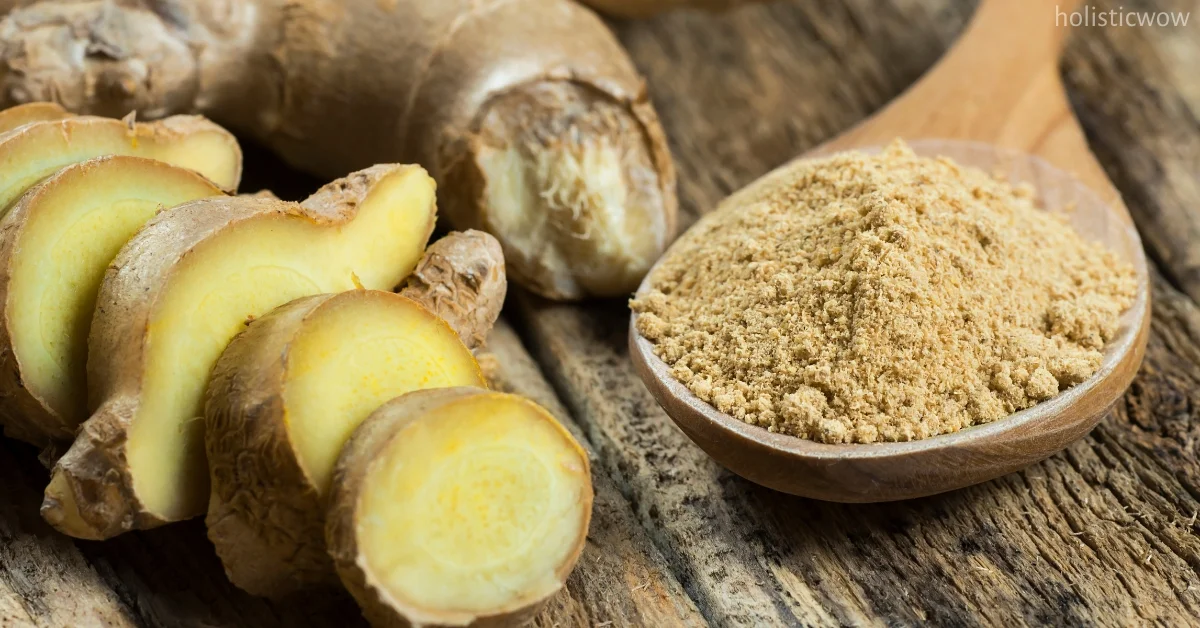
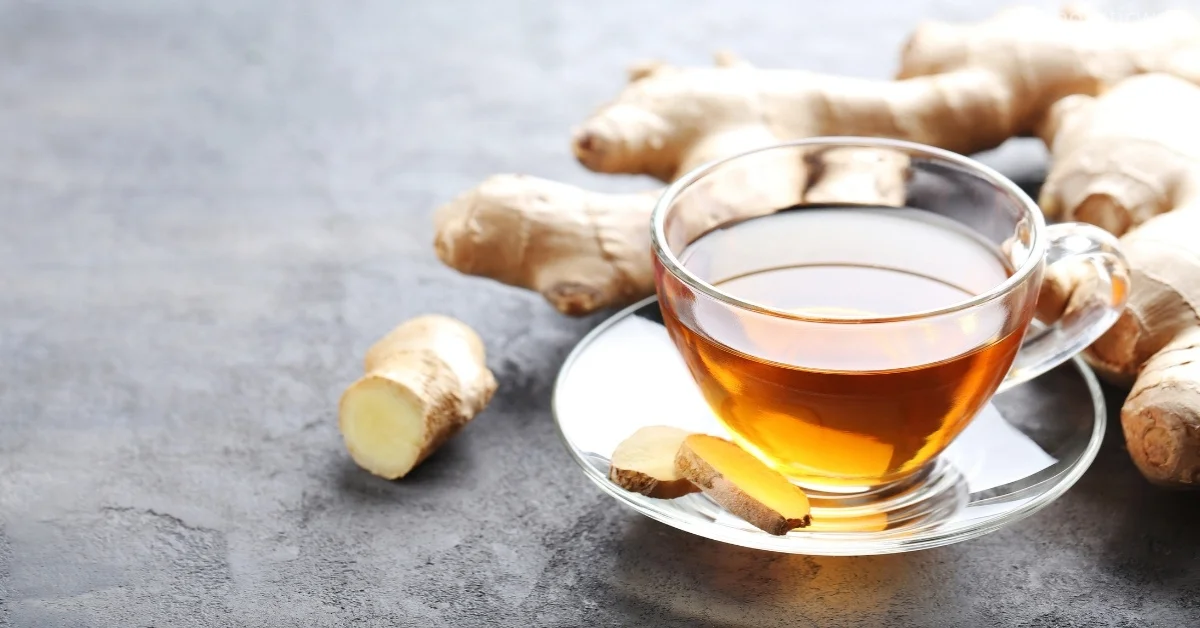
Ginger can be consumed in various forms, including fresh ginger root, powdered ginger, ginger tea, and as a dietary supplement in capsule form, allowing for versatile incorporation into a daily routine.
For arthritis and joint discomfort, some studies suggest that taking around 250 mg of standardized ginger extract two to four times daily may help reduce symptoms and improve functional ability over time.
It’s important not to exceed four grams (4,000 mg) of ginger per day from all sources, as excessive amounts may increase the risk of side effects.
To help minimize side effects like heartburn or diarrhea, it’s best to take ginger capsules with food, which can also enhance absorption and effectiveness.
As with any supplement, consulting a healthcare provider for personalized advice is recommended, especially if you have underlying health conditions or take other medications, to ensure safe use and maximize potential benefits.
Are There Any Side Effects or Risks Associated with Ginger Use?
Ginger is generally safe for most people when consumed in moderate amounts, providing benefits such as digestive support and symptom relief without significant risk for most individuals.
Some individuals may experience side effects, however, such as gastrointestinal discomfort, heartburn, and mouth irritation, especially when using higher doses.
In higher doses, ginger may increase the risk of bleeding, especially for people taking blood thinners, so careful consideration and medical consultation are advised in these cases.
Although rare, allergic reactions such as rash, itching, difficulty breathing, or swelling can also occur, so any signs of allergy should prompt immediate medical evaluation.
Ginger may also affect blood sugar levels, so people with diabetes should speak with a healthcare professional before using it regularly, as it has the potential to enhance insulin sensitivity.
As with any supplement, it’s best to talk to a healthcare professional before starting ginger, especially if you have underlying health conditions or take medications, to reduce risk and optimize safe, effective use.
Herbal Preparations and Recipes for Inflammation
Herbal remedies can help manage inflammation through their natural anti-inflammatory properties. Ginger, in particular, is known for its ability to support healthy inflammatory responses. The following recipes utilize ginger and other herbs to promote comfort and well-being.
Always consult a healthcare provider before starting any new herbal regimen, especially if you have existing health conditions or are taking medications.
Soothing Ginger Tea
Ingredients:
- 1 teaspoon fresh ginger root, grated
- 1 cup boiling water
Preparation:
- Place the grated ginger in a teapot or cup.
- Pour boiling water over the ginger.
- Cover and steep for 10 minutes.
- Strain and drink warm. You can add honey or lemon for flavor if desired.
Drink 1–2 cups daily as needed to support healthy inflammatory responses.
This simple ginger tea may help reduce mild inflammation and provide gentle comfort, especially after meals or during flare-ups.
Warnings: Ginger can cause mild digestive upset, heartburn, or diarrhea in some individuals. Use caution if you are taking blood thinners or have gallbladder problems. Discontinue use and consult your provider if you experience side effects.
Anti-Inflammatory Ginger Herbal Blend
Ingredients:
- 1 teaspoon dried ginger root
- 1 teaspoon dried turmeric root
- 1 teaspoon dried chamomile flowers
- 1 teaspoon dried nettle leaf
- 1 cup boiling water
Preparation:
- Combine all the dried herbs in a teapot or infuser.
- Pour boiling water over the herbs.
- Cover and steep for 15 minutes.
- Strain and drink warm. You can add a squeeze of lemon or a little honey for flavor if desired.
Drink 1 cup twice daily for ongoing mild inflammation support.
This herbal blend may help ease overall discomfort, support joint health, and promote relaxation while addressing multiple pathways involved in inflammation.
Warnings: Turmeric and ginger may interact with blood thinners and may cause stomach upset in sensitive individuals. Chamomile may cause allergic reactions, especially if you are sensitive to plants in the daisy family. Nettle can affect blood pressure or interact with certain medications. Consult a healthcare provider before use if you are pregnant, breastfeeding, have known allergies, or take medications for chronic conditions.
These herbal preparations are designed to complement, not replace, conventional treatments for inflammation. Consult a healthcare provider before use, especially if you have health conditions or take medications.