
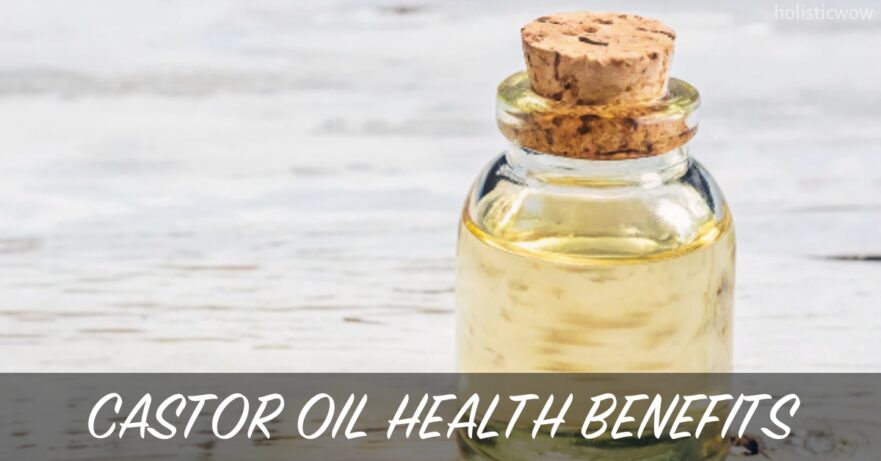
What Is Castor Oil?
Castor oil is a natural oil extracted from the seeds of the Ricinus communis plant.
It has been used for thousands of years for both medicinal and industrial purposes.
Commonly recognized for its role as a stimulant laxative, castor oil is also widely used as a moisturizer in various skin care products.
While it is not typically recommended as a first-line treatment for constipation by modern guidelines, it may be considered in certain cases where a natural option is preferred and under medical guidance.
Due to its stimulant effects and potential side effects, castor oil should not be used long-term or without supervision.
The oil is made safe through a combination of extraction and purification processes that remove ricin, a toxic protein naturally present in raw castor seeds.
This process ensures that properly prepared castor oil is non-toxic and safe for use in health and cosmetic applications.
Thanks to its moisturizing and mild antimicrobial properties, castor oil remains a popular ingredient in natural skin care and personal care routines.
Key Takeaways
- 🌿 Natural Origins: Castor oil is derived from the seeds of the Ricinus communis plant and has been utilized for centuries in both medicinal and industrial applications.
- 🔄 Laxative Use Caution: While castor oil can act as a powerful laxative by stimulating intestinal muscles, it should be used cautiously and not as a first-line treatment for constipation.
- 🧴 Moisturizing & Skin Care: Known for its hydrating properties, castor oil is often used in skin care to moisturize and support the skin barrier, but a patch test is recommended to prevent allergic reactions.
- 👶 Labor Induction Risks: Castor oil may stimulate uterine contractions and has been used to induce labor, but it should only be used under strict medical supervision due to potential risks.
What Are the Benefits of Castor Oil?
Castor oil offers several benefits:
- Acts as a powerful laxative : It helps relieve occasional constipation by stimulating the intestinal muscles. However, it should be used cautiously, as it can cause side effects like cramping or diarrhea, and is not generally recommended as a first-line treatment.
- Serves as a natural moisturizer: Castor oil hydrates the skin due to its high content of ricinoleic acid, a fatty acid known for its moisturizing and soothing properties. It is commonly used in cosmetic-containing herbals to help with dry skin and support overall skin barrier function.
- Provides anti-inflammatory support: Ricinoleic acid may contribute to castor oil’s anti-inflammatory properties, which could help reduce skin inflammation and support wound healing. These effects are supported by traditional use and early preclinical evidence, making it a popular ingredient in natural skincare products.
- May offer antibacterial properties: Castor oil and Ricinus communis extracts have shown potential in reducing certain bacteria and fungi, particularly in oral care. A clinical trial found that a 10% Ricinus communis extract solution helped reduce biofilm and microbial colonies on dentures, supporting the remission of denture-related candidiasis.
- Has the potential to aid uterine contractions: Castor oil has traditionally been used to help induce labor. Some recent studies suggest it may be effective in stimulating labor in multiparous women (those who have given birth before), but results are mixed. It should only be used under strict medical supervision due to potential risks such as excessive contractions or fetal distress.
While it has a long history of traditional use, it’s important to consult a healthcare provider before using castor oil for medical purposes.
How Can Castor Oil Be Used for Skin Care?
Castor oil can be used in skin care as a natural moisturizer due to its high content of ricinoleic acid, a fatty acid that may help retain moisture in the skin.
This makes it potentially effective for hydrating dry areas and supporting the skin’s natural barrier.
- Apply a small amount directly to the skin, or mix it with other oils, such as coconut or almond oil, to enhance its moisturizing effects and improve spreadability.
- Before applying castor oil over large areas, it’s important to perform a patch test on a small area of your skin to check for any allergic reactions or irritation, especially if you have sensitive skin.
- You may also consider using castor oil-infused skin care products available on the market. These can offer added convenience and may reduce the risk of irritation, as they are often formulated with other soothing ingredients.
- Castor oil is not only known for its moisturizing properties but also exhibits mild antimicrobial activity, which, in theory, could support overall skin health. However, its antimicrobial effects are primarily demonstrated in oral hygiene and denture care, and more research is needed to confirm its broader dermatological benefits.
Is Castor Oil Effective for Moisturizing?
Castor oil may be effective for moisturizing the skin.
Its high content of ricinoleic acid, a fatty acid known for its hydrating and soothing properties, can help lock in moisture and support the skin barrier, making it a natural emollient that could potentially serve as an alternative to commercial moisturizers.
This plant-based oil can be applied directly to the skin or blended with other oils to enhance its moisturizing effects.
While generally well-tolerated, it’s best to perform a patch test before use to check for any allergic reactions or skin sensitivity.
By offering a natural option with minimal additives, castor oil may help nourish dry skin and support skin hydration and barrier function.
Can Castor Oil Help with Acne Treatment?
Castor oil is known for its moisturizing properties, which may help maintain skin hydration and support overall skin health.
However, there is currently no strong scientific evidence to support the effectiveness of castor oil as a treatment for acne, and its pore-clogging potential could pose a risk for some individuals with acne-prone skin.
Some studies suggest that castor oil exhibits mild antimicrobial activity in laboratory settings, which could potentially help reduce certain types of skin bacteria.
Still, these effects have not been clinically proven to improve acne outcomes significantly.
Before applying castor oil to acne-prone skin, it’s important to perform a patch test to check for any allergic reactions or skin irritation.
This precaution helps minimize the risk of adverse effects, especially for those with sensitive skin.

Does Castor Oil Have Anti-inflammatory Properties?
Castor oil does have anti-inflammatory properties, primarily due to its high content of ricinoleic acid.
This fatty acid has been shown in animal and laboratory studies to help reduce inflammation, which may make castor oil potentially beneficial for soothing irritated skin and supporting minor skin discomfort.
By decreasing skin inflammation, castor oil may offer mild relief of discomfort or redness associated with non-specific or minor skin conditions.
While more human-based clinical research is needed, its traditional use and early evidence suggest it may be a gentle natural option for supporting skin comfort.
What Are the Antimicrobial Benefits of Castor Oil?
Castor oil may offer antimicrobial benefits, particularly when used for cleaning dentures.
Research suggests that a 10% solution of Ricinus communis extract can help reduce bacteria and fungi on denture surfaces, potentially lowering the risk of denture stomatitis.
This condition causes inflammation in the mouth.
However, its antimicrobial effects outside of oral care are less well established, and more research is needed to determine its effectiveness against skin pathogens or in broader hygiene applications.
How Does Castor Oil Promote Wound Healing?
Castor oil may help support wound healing by maintaining a moist environment, which is important for tissue repair and regeneration.
This moisture may help reduce excessive drying, which can potentially delay healing or contribute to the formation of scars.
Additionally, castor oil contains compounds with anti-inflammatory properties that may help alleviate local inflammation and discomfort around the wound.
These combined effects suggest that castor oil may be a gentle, plant-based option for minor wound care, particularly for individuals seeking natural remedies.
Can Castor Oil Reduce Dark Circles?
Castor oil may help improve skin texture and hydration, which could potentially support the appearance of the under-eye area.
These moisturizing properties might make the skin look smoother and more refreshed, which can sometimes help reduce the visibility of dark circles.
However, there is currently no direct scientific evidence to support the effectiveness of castor oil in reducing dark circles.
Its benefits in this area remain anecdotal and are not backed by controlled studies.
Individual results can vary depending on skin type and the underlying causes of dark circles, such as genetics, allergies, or lack of sleep.
It’s important to perform a patch test before applying castor oil near sensitive areas such as the eyes to check for any allergic reactions or irritation.
Choosing a high-quality, cold-pressed castor oil and using it sparingly, while avoiding direct contact with the eyes, may help minimize the risk of side effects.
Should Castor Oil Be Used for Hair Care?
Castor oil is frequently used as a natural hair treatment due to its moisturizing properties.
Many people apply it to help lubricate the hair shaft and reduce dryness, which may support overall hair care by improving hair texture and manageability.
However, while castor oil is rich in fatty acids and has been traditionally used in cosmetics and herbal products, there is currently no strong scientific evidence that it promotes hair growth or significantly improves long-term hair health.
In rare cases, the use of castor oil has been linked to a condition known as acute hair felting, where the hair becomes severely tangled and matted.
This is more likely to occur in individuals with long or fine hair, so caution is advised when applying castor oil to these types of hair.
If you are experiencing significant hair loss or scalp issues, it’s best to consult a healthcare provider or dermatologist.
They can help determine the underlying cause and recommend evidence-based treatment options tailored to your needs.
How Does Castor Oil Work as a Laxative?
Castor oil works as a laxative by stimulating muscle contractions in the intestines, which may help relieve constipation.
The main active component, ricinoleic acid, is released in the intestine when castor oil is broken down.
This acid activates specific receptors in the smooth muscle cells of the intestinal wall, triggering a surge in calcium that stimulates intestinal contractions and promotes bowel movements.
Bowel activity typically begins within 6 to 12 hours after taking castor oil.
While it is FDA-approved for use as a stimulant laxative, its use should be limited to short-term, occasional relief, and it is not usually recommended as a first-line treatment.
As with any laxative, castor oil should be used cautiously to avoid side effects such as cramping and diarrhea.
Always consult a healthcare provider to determine the proper dosage and ensure it’s suitable for your individual needs.
Is Castor Oil Safe for Inducing Labor?
Castor oil is sometimes used by medical professionals for inducing labor in pregnant individuals, particularly in post-date pregnancies.
Clinical studies suggest that it may help stimulate uterine contractions, especially in multiparous women (those who have given birth previously).
However, pregnant individuals need to avoid consuming castor oil without medical supervision due to potential risks.
These may include:
- Upset stomach
- Diarrhea
- Rapid or excessive contractions
- Possible fetal distress or dehydration from the maternal side effects
While research indicates that castor oil could potentially be effective for labor induction in certain cases, especially among multiparous women, its safety and effectiveness have not been confirmed for all pregnant individuals.
More high-quality, large-scale studies are needed.
Always consult a healthcare provider before considering castor oil for inducing labor.
Medical supervision is crucial to ensure the safety of both the pregnant individual and the baby.

What Are the Side Effects of Using Castor Oil?
Castor oil can lead to several side effects, mainly when used improperly.
Common gastrointestinal issues include:
- nausea
- vomiting
- diarrhea
- abdominal cramping
Particularly when castor oil is taken as a laxative.
These side effects are more likely with higher doses or prolonged use.
Some individuals may also experience mild symptoms, such as dizziness or bloating, which could indicate an adverse reaction.
When applied to the skin, castor oil may cause allergic reactions, such as skin irritation, rash, or contact dermatitis, particularly in individuals with sensitive skin.
In rare cases of overdose or improper use, more serious side effects such as chest pain or throat tightness may occur, particularly as signs of a severe allergic reaction.
Long-term or excessive use of castor oil as a laxative could potentially lead to complications such as electrolyte imbalances and chronic digestive issues.
Pregnant individuals should avoid using castor oil without medical supervision, as it may stimulate uterine contractions and could potentially induce labor.
While some studies suggest castor oil may be effective for labor induction in certain cases, it should only be used under the guidance of a healthcare provider.
To minimize risks and ensure safe usage, always consult a healthcare professional before using castor oil for any health condition.
Can Castor Oil Cause Allergic Reactions?
Yes, castor oil can cause allergic reactions in some individuals, particularly when applied topically.
These reactions may include skin irritation, redness, itching, or contact dermatitis.
To help prevent unwanted effects, it is advisable to perform a patch test on a small area of skin before applying castor oil to larger areas of skin.
This simple step may help identify sensitivity and ensure safer use.
What Precautions Should Be Taken When Using Castor Oil?
When using castor oil, it is important to take certain precautions to ensure safety:
- Pregnant individuals should avoid using castor oil unless advised by a healthcare professional, as it can induce labor
- Castor oil may cause gastrointestinal side effects like diarrhea and cramping
- Performing a patch test is recommended to check for potential allergic reactions before applying it topically
- Individuals with specific health conditions, such as hepatic or renal impairment, gastrointestinal obstruction, appendicitis, undiagnosed abdominal pain, or inflammatory bowel disease, should consult a healthcare provider before use
- It is also wise to inform your healthcare provider about any medications or supplements you are taking to avoid interactions
- Monitoring for dehydration or electrolyte disturbances is advisable during use, mainly when used internally