
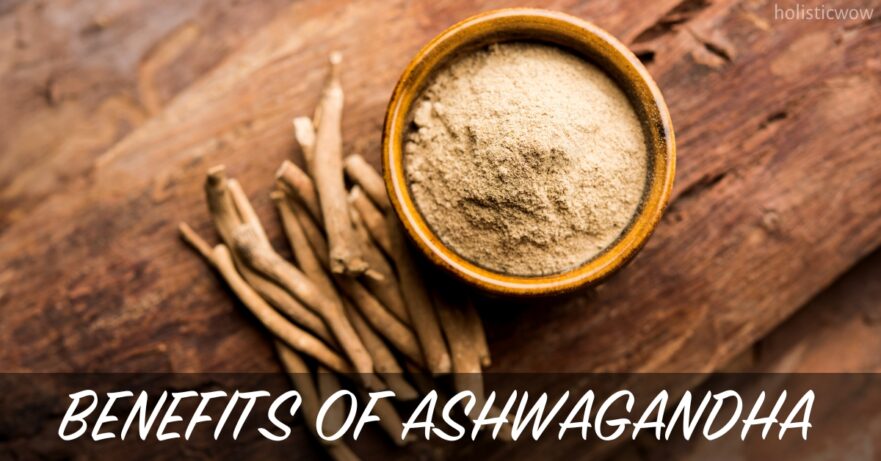
What Are the Benefits of Ashwagandha?
Ashwagandha is known for its potential health benefits, particularly in stress reduction and anxiety management.
As an adaptogen, it may help the body cope with stress by supporting the nervous system and has been shown in clinical studies to significantly lower cortisol levels, a key stress hormone, in some individuals with chronic stress.
Ashwagandha may also enhance sleep quality, which can be particularly beneficial for individuals struggling with insomnia.
Research suggests that it can promote more restful sleep and reduce sleep disturbances in people under stress.
Some studies suggest that ashwagandha may enhance physical performance, including strength and endurance, and provide mild support for aspects of cognitive function, such as memory and attention.
However, while evidence for physical performance is growing, support for cognitive benefits is still preliminary and requires more robust studies.
Ashwagandha may contribute to cardiovascular support by helping to moderately reduce blood pressure in some individuals and reduce inflammation, though these effects are still being studied.
Its anti-inflammatory properties have been observed in preclinical and limited human studies and may aid in reducing swelling and discomfort in certain conditions.
Additionally, ashwagandha may play a role in managing stress-related weight gain by influencing cortisol and possibly other appetite-regulating hormones, while also supporting a balanced stress response.
It may also have a mild immunomodulatory effect, although further evidence is needed to fully understand this benefit.
While ashwagandha has a long history of use in Ayurvedic medicine and is generally considered safe in healthy adults, scientific evidence supporting some of its health benefits is still limited.
It’s important to consult with a healthcare provider before starting ashwagandha to ensure it’s appropriate for your individual health needs and conditions.
Key Takeaways
- 🌿 Stress and Anxiety Relief: Ashwagandha is renowned for its adaptogenic properties, helping the body manage stress and anxiety by lowering cortisol levels, a key stress hormone.
- 😴 Sleep Enhancer: This herb may improve sleep quality, particularly for those with insomnia, by promoting restful sleep and reducing disturbances.
- 🏋️♂️ Athletic Performance Boost: Emerging research suggests ashwagandha may enhance physical performance, including strength and endurance, although further studies are needed for confirmation.
- ⚠️ Safety Precautions: While generally safe for short-term use, ashwagandha should be avoided during pregnancy and breastfeeding, and those with autoimmune disorders or taking certain medications should consult a healthcare provider.
How Does Ashwagandha Help with Stress and Anxiety?
Ashwagandha helps with stress and anxiety by functioning as an adaptogen.
This means it supports the body in adapting to and managing physical and mental stress more effectively.
Research suggests that ashwagandha may help improve symptoms of anxiety, including in individuals with generalized anxiety disorder (GAD).
In clinical studies, participants taking ashwagandha root extract reported reduced anxiety levels compared to those taking a placebo.
While evidence in GAD is promising, further large-scale trials are needed to confirm its efficacy in this population.
Ashwagandha may also help lower cortisol, a hormone closely linked to the body’s stress response.
Lower cortisol levels are associated with improved psychological well-being and reduced feelings of stress.
While these findings are promising, more research is needed to fully understand how ashwagandha works and to confirm its long-term effects on stress and anxiety.
However, current evidence supports its potential as a natural option for promoting emotional balance and overall psychological well-being.
Can Ashwagandha Improve Sleep Quality?
Ashwagandha has shown potential in improving sleep quality, especially for individuals experiencing insomnia.
Clinical studies suggest that it may help enhance sleep efficiency and support more restful sleep.
As an adaptogen, ashwagandha helps the body manage stress, which can have a positive influence on sleep patterns.
By reducing stress and lowering cortisol levels it may contribute to falling asleep more easily and staying asleep longer.
While early research is promising, more studies are needed to fully understand ashwagandha’s effects on sleep latency and overall restfulness.
Still, its calming properties and generally favorable short-term safety profile in healthy adults make it a natural option worth considering for better sleep.
Does Ashwagandha Enhance Athletic Performance?
Interest in ashwagandha for enhancing athletic performance continues to grow, and emerging research offers promising insights.
Some clinical studies suggest that ashwagandha supplementation may help improve physical performance, including measures such as VO2 max, muscle strength, and recovery in healthy individuals.
A recent review of clinical studies found that ashwagandha may potentially support improvements in strength and cardiorespiratory fitness; however, the overall quality of evidence is still considered moderate, due to its reliance on small sample sizes.
Incorporating ashwagandha into an athletic regimen may offer benefits, but it’s important to consult a healthcare provider before starting any new supplement.
Continued scientific investigation will help clarify its role in supporting athletic performance and overall physical health.
Can Ashwagandha Affect Blood Sugar and Blood Pressure?
Ashwagandha may help modestly lower both blood sugar and blood pressure levels, according to some preliminary studies.
For individuals taking medications for diabetes or high blood pressure, it’s important to monitor these levels closely when using ashwagandha.
This is because ashwagandha could potentially enhance the effects of antidiabetes drugs and antihypertensive drugs, which may increase the risk of low blood sugar (hypoglycemia) or low blood pressure (hypotension) if not carefully managed.
If you are considering ashwagandha and are already taking medication for blood sugar or blood pressure, consult your healthcare provider to help avoid potential interactions and ensure safe use.
What Are the Potential Side Effects of Ashwagandha?
When taken by mouth, ashwagandha is generally considered possibly safe for short-term use, typically up to 8–12 weeks, based on current research.
Most people tolerate it well, but some may experience side effects such as digestive upset, including
- nausea,
- diarrhea,
- vomiting.
In rare cases, ashwagandha has been associated with liver problems, including severe liver injury.
While these cases are uncommon and often involve multi-ingredient supplements , it’s important to talk to your healthcare provider before starting ashwagandha, especially if you have a history of liver conditions or are taking other medications.
The long-term safety of ashwagandha has not been well established, so continued use beyond a few months should be done with caution and under medical supervision.
Are There Any Precautions When Using Ashwagandha?
When using ashwagandha, several precautions are important to consider:
- It is likely unsafe during pregnancy, as it may increase the risk of miscarriage.
- There is insufficient information about its safety during breastfeeding, so it’s best to avoid use unless advised by a healthcare provider.
- Individuals with autoimmune disorders, such as lupus, rheumatoid arthritis, or multiple sclerosis, should use caution , as ashwagandha may stimulate the immune system and could potentially worsen symptoms.
- People with liver problems or thyroid disorders should consult a healthcare provider before using ashwagandha, as it may affect liver enzymes or thyroid hormone levels. Although most studies in healthy adults show no significant adverse effects, rare cases of liver injury and changes in thyroid function have been reported
- Since ashwagandha may slow down the central nervous system, it is recommended to stop using it at least two weeks before surgery to avoid possible interactions with anesthesia.
Always consult a healthcare provider to ensure the safety of ashwagandha, taking into account your individual health conditions and needs.
Can Ashwagandha Interact with Medications?
Ashwagandha can interact with several medications, potentially leading to unwanted side effects.
It may enhance the effects of sedative medications, antidiabetes drugs, and antihypertensive drugs, potentially increasing the risk of side effects such as excessive drowsiness, low blood sugar, or low blood pressure.
Additionally , ashwagandha may potentially influence how the liver metabolizes certain medications by interacting with liver enzymes, which could alter the breakdown of drugs in the body (based on limited preclinical evidence).
Due to these potential interactions, particularly in individuals taking immunosuppressants or those with underlying health conditions, consulting a healthcare provider before using ashwagandha is crucial.
Professional guidance can help ensure the safe use of ashwagandha and reduce the risk of interactions that could impact your health.
Is Ashwagandha Safe for Pregnant or Breastfeeding Individuals?
Using ashwagandha during pregnancy is likely unsafe due to the potential risk of miscarriage.
While ashwagandha has shown benefits for stress and general well-being in healthy adults, its safety during pregnancy has not been well studied, and caution is advised.
There is currently insufficient reliable information about the safety of ashwagandha while breastfeeding.
Because the effects on a nursing infant are unknown, it is best to avoid using ashwagandha during this time as a precaution.
To ensure the safety of both mother and child, it is advisable to avoid ashwagandha during both pregnancy and breastfeeding unless recommended by a qualified healthcare provider.
Always consult your doctor before starting any supplement, especially during these sensitive periods.

What Is the Recommended Dosage for Ashwagandha?
Ashwagandha is typically used in doses of 600–1200 mg daily of standardized root extract for adults, often for a duration of up to 12 weeks.
For anxiety and stress, a daily dose of 300 to 600 mg of ashwagandha root extract is provisionally recommended.
It’s important to consult with a healthcare provider to determine the appropriate dosage tailored to individual needs and specific health conditions.
Herbal Preparations and Recipes with Ashwagandha
Herbal remedies can be effective in managing stress and anxiety. Ashwagandha ( Withania somnifera ) , renowned for its adaptogenic properties, aids the body in coping with stress and has been demonstrated in clinical studies to lower cortisol levels and alleviate symptoms of anxiety . It may also improve sleep quality in individuals with stress-related insomnia. The following recipes utilize ashwagandha to support relaxation and reduce anxiety.
Always consult a healthcare provider before starting any new herbal regimen, especially if you have existing health conditions or are taking medications.
Calming Ashwagandha Tea
Ingredients:
- 1 teaspoon dried ashwagandha root
- 1 cup of boiling water
Preparation:
- Place the dried ashwagandha root in a teapot.
- Pour boiling water over the root.
- Steep for 10–15 minutes.
- Strain and drink 1 cup daily, preferably in the evening, to promote relaxation.
This simple tea harnesses the calming effects of ashwagandha, making it a suitable option for those looking to manage stress and anxiety. Clinical evidence supports ashwagandha’s potential to reduce cortisol and perceived stress in healthy adults.
Warnings: Pregnant or breastfeeding women should avoid ashwagandha. Individuals with autoimmune diseases or thyroid disorders should consult a healthcare provider before use. Ashwagandha may also interact with sedatives, blood pressure, or diabetes medications, so medical supervision is important.
Soothing Herbal Blend for Stress Relief
Ingredients:
- ½ teaspoon dried ashwagandha root
- ½ teaspoon dried chamomile flowers
- ½ teaspoon dried lemon balm leaves
- ¼ teaspoon dried lavender flowers
- 1 cup of boiling water
Preparation:
- Combine all the dried herbs in a teapot.
- Add boiling water and steep for 15 minutes.
- Strain and drink 1 cup 1–2 times daily, especially during stressful periods.
This herbal blend combines the calming properties of ashwagandha, chamomile, lemon balm, and lavender to support relaxation and reduce anxiety. Ashwagandha and chamomile have both demonstrated anxiolytic effects in small clinical studies , while lemon balm and lavender are traditionally used for their soothing qualities. Each ingredient contributes to a calming effect, making this tea a potentially beneficial addition to your self-care routine.
Warnings: Ashwagandha should be avoided during pregnancy and used with caution in thyroid, liver, or autoimmune conditions. Chamomile may cause allergic reactions in individuals sensitive to plants in the Asteraceae family. Lemon balm may interact with thyroid medications and should be avoided in individuals with hypothyroidism unless advised by a physician . Lavender is generally well-tolerated in small amounts, but high doses may have mild hormonal or sedative effects and should be used in moderation.
As always, consult with a healthcare provider before starting any new herbal regimen, particularly if you have existing health conditions or are taking medications. This includes single herbs like ashwagandha as well as multi-herb blends, which may contain ingredients with overlapping effects or potential interactions. A qualified practitioner can help determine whether specific herbs or combinations are appropriate for your individual needs, identify any possible conflicts with medications, and guide you on safe dosages and duration of use to ensure the best results with minimal risk.