

What Are the Benefits of Ginkgo Biloba?
Ginkgo biloba offers several potential health benefits.
It is known for its powerful antioxidant properties, which may help protect cells from damage caused by free radicals.
This herb may also help reduce inflammation and improve blood circulation, particularly in the brain and extremities.
Improved circulation supports cardiovascular health, and one clinical study suggests that ginkgo biloba extract may enhance coronary artery blood flow in patients with coronary artery disease by modulating vasoactive substances, such as nitric oxide and endothelin-1.
However, these results require further confirmation through larger, more rigorous trials.
Ginkgo may support brain function and overall well-being.
Research suggests it could potentially aid in memory performance and reduce symptoms of cognitive impairment, particularly in individuals with mild to moderate dementia or Alzheimer’s disease, when used alongside conventional treatments.
Some studies also show benefits in cognitively healthy older adults, although more research is needed.
It is sometimes used as a complementary approach to help manage symptoms of psychiatric conditions such as anxiety, especially in older adults, though evidence in depression remains limited.
Ginkgo biloba extract may offer neuroprotective effects and has been studied for its potential to improve mood and reduce psychological symptoms, with a relatively low risk of side effects.
Ginkgo biloba may also support eye health by increasing ocular blood flow, which could be particularly relevant in conditions like glaucoma.
While some research suggests it may help in conditions like glaucoma, more studies are needed to confirm its effects on visual outcomes.
Some research has explored its possible benefits for conditions such as headaches, asthma, and sexual dysfunction.
However, scientific support for these uses is currently limited, and further studies are needed to better understand its effectiveness.
Key Takeaways
- 🧠 Brain and Memory Support: Ginkgo biloba may enhance brain function and memory, particularly in older adults and those with mild cognitive impairment or dementia, due to its antioxidant properties and improved blood circulation.
- ❤️ Cardiovascular Health: This herb supports heart health by improving blood flow, especially in the brain and extremities, potentially benefiting those with coronary artery disease.
- 👀 Eye Health: Ginkgo biloba may improve ocular blood flow, offering potential support for eye conditions like glaucoma, though more research is needed.
- ⚠️ Caution with Medications: It’s crucial to consult a healthcare provider before using ginkgo biloba, as it can interact with medications such as blood thinners and antidepressants, and it may cause side effects like increased bleeding risk.
How Does Ginkgo Biloba Improve Brain Function?
Ginkgo biloba is thought to support brain function primarily through its antioxidant properties and its ability to improve blood circulation.
These antioxidants may help protect brain cells from damage, potentially preserving cognitive function over time.
By enhancing blood flow, including to the brain, Ginkgo biloba may help support aspects of mental performance and overall well-being, particularly in older adults or individuals with mild cognitive impairment.
Several studies suggest it may improve memory and reduce symptoms of cognitive decline, particularly in individuals with conditions like mild cognitive impairment, dementia, or Alzheimer’s disease, when used as an adjunct therapy.
However, results across studies are mixed.
It may also provide modest support for certain aspects of memory in cognitively healthy older adults.
While these findings are encouraging, more high-quality research is needed to confirm the effectiveness and safety of ginkgo biloba for improving cognitive function.
It’s important to approach ginkgo supplementation with realistic expectations and to consult a healthcare provider, especially when managing conditions like dementia or Alzheimer’s disease.
What Are the Uses of Ginkgo Biloba for Circulation and Heart Health?
Ginkgo biloba is believed to support circulation and vascular health by enhancing blood flow, particularly to the brain and extremities.
Evidence suggests it may enhance levels of nitric oxide, a compound that helps relax and widen blood vessels, thereby supporting better circulation.
A clinical study in patients with coronary artery disease found that standardized ginkgo biloba extract was associated with improved coronary blood flow.
This effect was linked to increased nitric oxide and decreased endothelin-1, a substance that can constrict blood vessels.
These findings suggest that Ginkgo biloba may help restore balance between these two compounds, potentially aiding vascular function.
This herb may also support individuals with conditions like peripheral artery disease and claudication by improving circulation in the limbs.
However, while preliminary results are promising, more rigorous studies are needed to confirm its long-term cardiovascular benefits.
As with any supplement, it’s important to consult a healthcare provider before using ginkgo biloba for any specific health condition, especially if you have existing heart or circulation issues.
Can Ginkgo Biloba Help with Anxiety and Depression?
Some studies suggest that ginkgo biloba may help reduce symptoms of anxiety and mild depression, particularly when used alongside antidepressants, though findings are not consistent across populations.
These potential benefits may relate to its antioxidant, anti-inflammatory, and neurotransmitter-modulating properties.
Improvements have been observed in older adults with depressive symptoms, and ginkgo biloba has also shown promise in supporting cognitive function in individuals with psychiatric disorders.
However, the clinical evidence remains limited, and the findings are not yet conclusive.
More high-quality studies are needed to understand better how ginkgo biloba may support mental health conditions like anxiety and depression.
Does Ginkgo Biloba Support Vision and Eye Health?
Ginkgo biloba may support vision and eye health by enhancing blood flow to the eyes, particularly in individuals with ocular circulation issues.
This effect may benefit individuals with glaucoma, a condition where increased pressure can damage the optic nerve.
Some research suggests potential benefits for individuals with age-related macular degeneration, although the findings are inconsistent and limited by small sample sizes.
Due to its antioxidant and vascular effects, ginkgo biloba may offer protective support, but more rigorous studies are needed to confirm its role in managing eye conditions.
However, current evidence is limited, and it remains unclear whether ginkgo biloba can improve vision or prevent eye diseases in healthy individuals.
At this stage, ginkgo is best considered a complementary option rather than a primary treatment.
How Does Ginkgo Biloba Affect Psychiatric Disorders and Dementia?
Research on ginkgo biloba’s effects on psychiatric disorders and dementia shows mixed results.
Some studies suggest it may help reduce cognitive decline in patients with dementia, particularly when used alongside conventional treatments.
In individuals with mild Alzheimer’s disease, Ginkgo biloba, especially the standardized extract, may modestly improve cognitive function and daily living abilities.
Evidence also indicates that Ginkgo biloba could potentially improve some behavioral and psychological symptoms of dementia, such as agitation, anxiety, and apathy, and may help reduce caregiver distress in select cases.
However, its benefits for psychotic symptoms like delusions or hallucinations appear minimal.
When it comes to psychiatric disorders like schizophrenia or vascular dementia, current research is still emerging.
Some studies suggest that Ginkgo biloba may offer neuroprotective benefits and support mood regulation; however, strong clinical evidence is lacking to support these claims.
While promising, the current evidence does not yet establish ginkgo biloba as a reliable standalone treatment for psychiatric disorders or dementia.
However, it may serve as a helpful complementary option, particularly in managing cognitive and behavioral symptoms of Alzheimer’s disease.
What Are the Different Forms of Ginkgo Biloba Supplements?
Ginkgo biloba supplements come in several forms, including:
- capsules,
- tablets,
- liquid extracts,
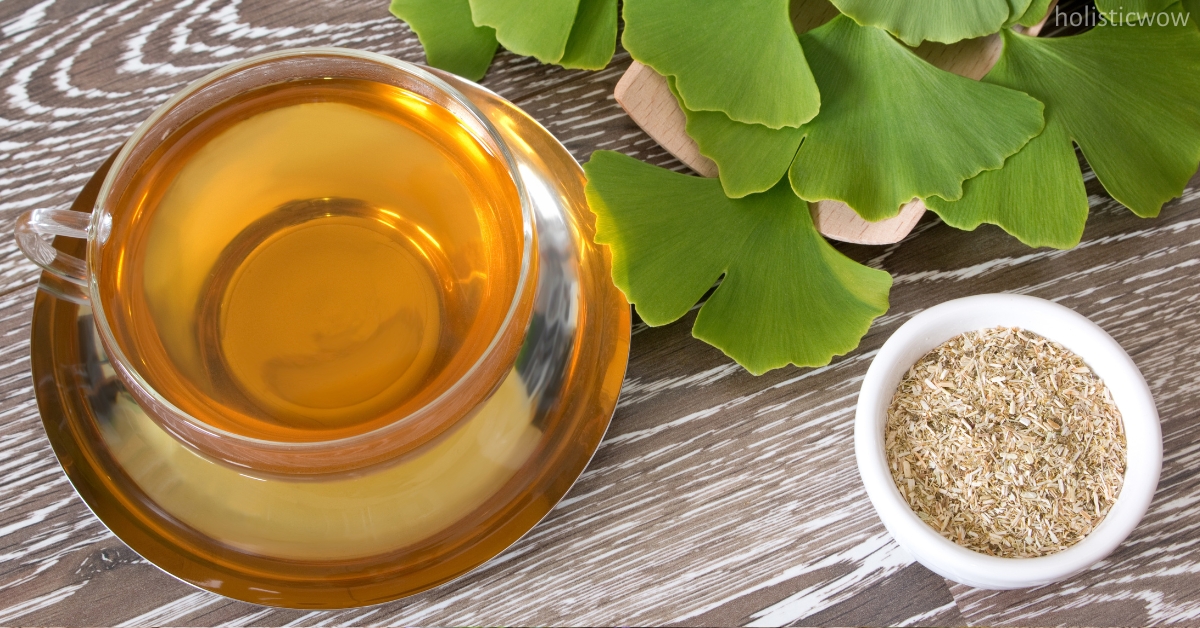
- dried leaves for tea.
These supplement forms offer flexibility based on personal preference and lifestyle.
Most scientific research focuses on the benefits of standardized, purified ginkgo leaf extract, particularly in capsule or tablet form.
Standardized forms of Ginkgo biloba extract have been studied for their potential to support cognitive function, improve blood flow, and reduce symptoms of dementia and anxiety in some populations.
It is important to avoid raw ginkgo seeds, as they are toxic and can be harmful if consumed due to the presence of ginkgotoxin, which can cause seizures, especially in children or people with epilepsy.
When choosing a supplement form, whether a capsule, tablet, tea, or liquid extract, consider ease of use, dosage consistency, and your individual health needs.
Tea made from dried ginkgo leaves may offer a milder effect; however, it is not well-standardized or clinically validated, and its potency can vary.
Always consult with a healthcare provider before starting any supplement regimen to ensure safety and potential effectiveness, especially if you have underlying health conditions or take other medications.
How Should Ginkgo Biloba Be Taken for Best Results?
For optimal results when taking Ginkgo biloba, it is generally recommended to start with a standard low dose and gradually increase it to assess individual tolerance.
Standardized extracts are typically used at doses of 120–240 mg per day, which have been well studied in clinical trials.
Because research on long-term safety and optimal dosing is still limited, it’s essential to consult a healthcare provider before starting any dietary supplements, especially if you have underlying health conditions or are taking other medications.
This cautious approach helps monitor for any potential side effects and ensures that Ginkgo biloba is used safely and effectively for your specific needs.
Can Ginkgo Biloba Interact with Other Medications?
Ginkgo biloba can interact with a variety of medications, making it crucial to consult a healthcare provider before use.
It may interact with blood thinners such as anticoagulants and antiplatelet drugs, increasing the risk of bleeding, particularly in surgeries or when used with medications like warfarin, aspirin, or clopidogrel.
Ginkgo may interact with certain antidepressants, including SSRIs and MAOIs, and with NSAIDs, potentially increasing bleeding risk; however, the evidence is stronger for interactions with SSRIs and NSAIDs than for MAOIs.
It may also theoretically increase the risk of serotonin syndrome when combined with SSRIs, although clinical evidence is limited.
In addition, ginkgo biloba may affect liver enzyme activity and reduce the effectiveness of certain medications, su ch as efavirenz (via CYP3A4 modulation) or cyc losporine in transplant patients , although clinical evidence is limited and further research is needed.
If you are taking any prescription medications, especially anticoagulants, antidepressants, or anti-inflammatory drugs, talk to your doctor or pharmacist before starting ginkgo biloba.
Careful monitoring and professional advice can help reduce the risk of adverse interactions and ensure safe use.
What Are the Potential Side Effects of Ginkgo Biloba?
Potential side effects of Ginkgo biloba may include mild gastrointestinal symptoms such as upset stomach and diarrhea, as well as headache, dizziness, and possible heart palpitations.
Some individuals could also experience allergic reactions, including skin rashes.
There is a potential risk of increased bruising or bleeding, especially when ginkgo is taken with blood thinners (like warfarin) or certain antidepressants.
There are also rare reports of seizures, particularly when consuming non-standardized products or ginkgo seeds, due to ginkgotoxin.
These are considered more serious side effects and should be discussed with a healthcare provider.
To ensure safety and avoid potential interactions with medications, it’s essential to consult with your doctor before starting ginkgo biloba supplementation.
This is especially true if you are taking other medications or have underlying health conditions.
Are There Any Serious Risks Associated with Ginkgo Biloba?
Ginkgo biloba may pose serious side effects, especially for individuals who are allergic to alkylphenols, as it can trigger allergic reactions.
Additionally, ginkgo biloba can interact with certain medications, including blood thinners (like warfarin) and some antidepressants.
These interactions could potentially increase the risk of internal bleeding or, in some cases, alter the metabolism or effectiveness of certain medications.
Another serious but rare risk includes seizures, especially when consuming ginkgo seeds or in individuals with epilepsy or low seizure thresholds.
Although ginkgo biloba is generally well tolerated by many people, concerns about toxicity and increased risk of bleeding make it important to use caution.
Consulting a doctor before using ginkgo biloba is crucial to help prevent complications and ensure safe use, especially if you are taking other medications or have underlying health conditions.
Who Should Avoid Using Ginkgo Biloba?
Individuals who are allergic to alkylphenols or sensitive to plants in the Ginkgoaceae family should avoid ginkgo biloba.
People taking blood thinners, antiplatelet drugs, or certain psychiatric medications must consult a healthcare provider before use due to interaction risks.
Pregnant or breastfeeding women, individuals with bleeding disorders, epilepsy, or a history of seizures should also exercise caution, and ginkgo should generally be avoided in these groups.
Children should not use ginkgo biloba without medical supervision, and all should strictly avoid raw seeds.
Herbal Preparations and Recipes with Ginkgo
Herbal remedies can play a role in supporting cognitive function and overall brain health. Ginkgo biloba is well-known for its potential to improve memory and circulation, making it a valuable addition to herbal preparations designed to enhance cognitive performance. Some evidence supports its use, particularly in standardized extract form, for mild cognitive impairment and dementia, although effects are modest, and more research is needed. Always consult a healthcare provider before starting any new herbal regimen, especially if you have existing health conditions or are taking medications.
Ginkgo Biloba Infusion
Ingredients:
- ¾ teaspoon dried ginkgo biloba leaves
- 1 cup of boiling water
Preparation:
- Place the dried ginkgo biloba leaves in a teapot or heatproof container.
- Pour boiling water over the leaves.
- Cover and steep for 10–15 minutes.
- Strain and drink 1 cup daily.
This infusion may help support cognitive function and promote healthy circulation to the brain; however, clinical studies have primarily focused on standardized extracts, rather than infusions.
Warnings: Ginkgo biloba can interact with blood thinners and other medications. Consult a healthcare provider before use, especially if you are on anticoagulants, antiplatelets, or have bleeding disorders. Avoid using ginkgo leaf tea if you are prone to seizures, pregnant, breastfeeding, or using medications that affect blood clotting.
Ginkgo and Herbal Brain Boost Tea
Ingredients:
- ½ teaspoon dried ginkgo biloba leaves
- ½ teaspoon dried rosemary leaves
- ½ teaspoon dried lemon balm leaves
- ½ teaspoon dried peppermint leaves
- 1 cup of boiling water
Preparation:
- Combine all the dried herbs in a teapot.
- Add boiling water and cover.
- Steep for 10–15 minutes.
- Strain and drink 1 cup 1–2 times daily.
This herbal tea blend combines ginkgo biloba with rosemary, lemon balm, and peppermint, all of which have traditionally been used to support cognitive function, reduce stress, and enhance mental clarity. However, scientific evidence is limited and often preliminary . The combination of these herbs may help support circulation and relaxation.
Warnings: As with the infusion, ginkgo biloba may interact with medications. Consult a healthcare provider before use, especially if you are taking other medications. Rosemary and peppermint may cause adverse effects in individuals with epilepsy or certain gastrointestinal disorders, and lemon balm may interact with thyroid medications.
These herbal preparations are designed to support cognitive health and mental performance. However, they are not a substitute for evidence-based medical treatments . Always consult a healthcare provider before starting any new herbal regimen, particularly if you have existing health conditions or are taking medications.