
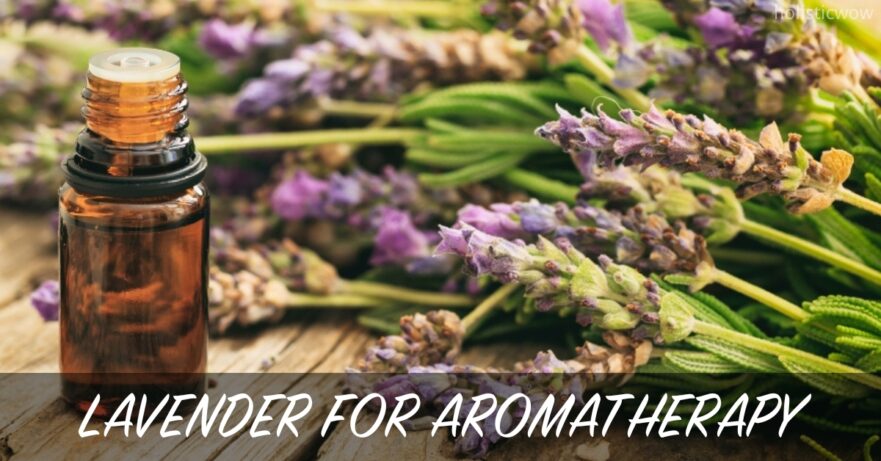
Lavender for aromatherapy harnesses the soothing fragrance of lavender essential oil to promote relaxation, ease anxiety, and improve sleep, making it a popular natural remedy for stress and emotional well-being.
Key Takeaways
- 💜 Natural Relaxation Aid: Lavender aromatherapy, using the essential oil’s calming scent, can help you relax, reduce stress, and create a peaceful atmosphere at home.
- 😴 Better Sleep Support: Inhaling or diffusing lavender before bedtime may help improve sleep quality and relaxation, making it a gentle, non-addictive option for those with trouble falling asleep.
- 🌿 Versatile Applications: Lavender can be enjoyed through teas, aromatherapy products, or diluted essential oils, each offering specific benefits—such as calming nerves, supporting skin care, or easing anxious feelings—while being easy to add to daily routines.
- ⚠️ Safety First: Always dilute lavender oil before putting it on the skin, and check with your doctor if you’re pregnant, breastfeeding, or have allergies, to ensure it’s safe for you and your family.
What Is Lavender Aromatherapy?
Lavender aromatherapy uses the essential oil from lavender flowers to support relaxation and overall well-being.
The primary component is lavender essential oil, which contains natural compounds such as linalool and linalyl acetate.
These compounds contribute to its calming scent and are believed to influence lavender’s therapeutic properties, providing benefits such as stress reduction and mood stabilization, although further research is needed to fully understand the underlying mechanisms.
The lavender fragrance is widely recognized for its soothing effect and is often used to create a tranquil environment that encourages relaxation.
In aromatherapy, people inhale the lavender aroma directly or use a diffuser to disperse it in a room.
This practice helps create a relaxing environment and may help reduce feelings of stress, support mood balance, and encourage a sense of calm, though individual responses can vary.
Lavender, as a calming herb, is commonly used as a gentle, natural option to support both mental and physical relaxation, providing potential stress relief and mood support.
Lavender aromatherapy is a time-tested approach that may help foster emotional balance and support a sense of holistic well-being in daily life.
What Are the Health Benefits of Lavender Essential Oil?
Lavender essential oil offers a range of potential health benefits thanks to its unique properties and appealing fragrance.
It may help promote anxiety relief through inhalation or oral supplementation (such as specific lavender oil capsules), though topical application has not been proven to affect anxiety.
Lavender essential oil has been shown to support improved sleep quality, especially in people dealing with mild insomnia or occasional difficulty sleeping, and can be used as a natural sleep aid for individuals seeking non-pharmacological options.
Lavender essential oil also supports certain aspects of skin health and may aid in the care of acne, minor burns, eczema, and small wounds when used appropriately.
Additionally, it may help relieve headaches and may help ease some discomfort associated with certain cancer treatments, such as nausea or anxiety, although more high-quality research is needed.
The antimicrobial and anti-inflammatory properties of lavender essential oil contribute to its ability to support skin healing, while its calming effects can offer relief for temporary emotional distress.
While more research is ongoing, lavender essential oil remains a popular natural option for promoting relaxation and overall well-being.
What Are the Therapeutic Properties of Lavender?
Lavender is renowned for its therapeutic properties, particularly in promoting relaxation and supporting mood enhancement.
Its calming aroma is commonly used in aromatherapy and may help reduce anxiety, ease stress, and improve sleep quality, making it a versatile choice for individuals seeking natural support for emotional resilience.
On the skin, lavender has demonstrated anti-inflammatory and mild antimicrobial properties in laboratory studies, which may help relieve swelling, soothe minor skin irritations, and support wound healing.
Lavender’s therapeutic effects extend to both mental and physical health, allowing it to enhance overall well-being and serve as an adjunct to conventional self-care routines.
The use of lavender is deeply rooted in both traditional practices and modern natural health approaches due to its broad range of benefits.
How Is Lavender Essential Oil Used in Aromatherapy?
Lavender essential oil is primarily used in aromatherapy by inhalation or diffusion to deliver its calming scent and potential therapeutic benefits.
You can inhale lavender oil directly from the bottle or add a few drops to an aromatherapy diffuser to allow the fragrance to fill the room and induce a state of relaxation.
Lavender essential oil is commonly featured in products like pillow sprays and room sprays, which may help promote relaxation, especially before bedtime.
For topical application, lavender essential oil is typically diluted with a carrier oil, such as almond or jojoba oil, which helps reduce the risk of skin irritation and allows for safer use on the skin.
The pleasant aroma of lavender can help promote restful sleep, reduce feelings of stress, and support an atmosphere of mental calmness.
Incorporating lavender essential oil into your self-care routine can be an effective way to harness its calming properties and support overall well-being.
What Are the Common Lavender Aromatherapy Products?
Common lavender aromatherapy products include essential oils, dried lavender flowers, pillow sprays, sachets, bath salts, room sprays, soy candles, creams, lotions, salves, lavender-infused teas, and capsules.
When used appropriately, these lavender products may help promote relaxation, support mood, and contribute to overall well-being, though results may vary.
Essential oils are the most recognized form of lavender aromatherapy and are often used in diffusers for inhalation or blended with carrier oils for safe topical application.
Lavender tea and certain lavender oil capsules are also popular options that may provide calming effects for some individuals when taken as directed.
Creams and lotions infused with lavender can be applied to the skin and may provide soothing benefits, especially when used as part of a bedtime or self-care routine.
Lavender capsules and teas may offer internal support for mood regulation, while bath salts and sprays can help create an atmosphere of tranquility.
Choosing quality lavender products can enhance their potential to reduce stress and promote emotional well-being.
How Can Lavender Be Used for Relaxation?
Lavender fragrance is often inhaled using diffusers, pillow sprays, or aromatherapy mists to create a calming aroma that may help reduce stress and promote relaxation.
Using lavender aromatherapy products can help ease tension after a stressful day and provide a gentle means to unwind.
Lavender essential oil or dried lavender can be added to bath salts for a soothing soak that may support a sense of calm and help unwind after a long day.
The aromatic compounds in lavender contribute to its ability to calm the nervous system and foster a sense of peaceful restfulness.
Drinking lavender tea provides gentle internal support and may help promote relaxation and support sleep for some people.
Lavender’s relaxing properties make it a popular natural choice for managing mild anxiety or supporting a bedtime routine.
How Do Lavender Products Promote Calmness?
Lavender products promote calmness by releasing a soothing fragrance that may help reduce anxiety and improve mood.
Inhaling the aroma of lavender can trigger a relaxation response in the body by interacting with the nervous system and lowering levels of physiological arousal associated with stress.
The calming effects of lavender are linked to its natural chemical compounds, such as linalool and linalyl acetate, which may contribute to anxiety reduction and mood improvement, although individual experiences may differ.
This interaction with neurotransmitter activity can make lavender particularly helpful for individuals seeking gentle support for emotional balance.
Using lavender products can help create a peaceful atmosphere that encourages relaxation and emotional well-being.
These products are often chosen for their ability to provide relief from daily stressors and contribute to a sense of serenity at home or on the go.
What Are the Anxiety-Reducing Benefits of Lavender?
Lavender is well-known for its calming properties and may help with anxiety relief.
Its soothing aroma and natural compounds are thought to promote relaxation and support mental tranquility, offering a non-habit-forming option for those dealing with stress.
Research suggests that lavender oil capsules (specifically, a proprietary oral capsule preparation called Silexan) have shown effectiveness in reducing symptoms in some individuals with anxiety disorders.
Some studies have found that these capsules may contribute to noticeable anxiety reduction when used as part of a broader wellness approach.
Inhaling lavender aroma can also be helpful in some situations to decrease acute stress and support improved emotional comfort.
Lavender’s potential to impact mood-regulating neurotransmitters may help explain its positive effects on stress resilience and well-being.
What Are the Mood Enhancement Effects of Lavender?
Lavender may help enhance mood by promoting relaxation and reducing stress.
Inhaling the calming scent of lavender can support the body’s natural relaxation response and contribute to a greater sense of emotional well-being.
Its aromatic properties are often used as a natural approach to mood enhancement and may help ease everyday feelings of tension or mild anxiety in some people.
Lavender’s influence on the central nervous system is thought to contribute to its ability to enhance feelings of contentment.
For many individuals, regular use of lavender aromatherapy can help improve overall mood and serve as a tool for managing emotional ups and downs.
How Does Lavender Improve Sleep Quality?
Lavender may help improve sleep quality by promoting relaxation and reducing anxiety, which can make it easier to fall asleep and stay asleep.
Inhaling lavender aroma before bedtime—such as through aromatherapy or using lavender-scented products—may support better sleep by reducing arousal in the nervous system and easing subjective symptoms of sleep disturbance.
Some evidence suggests this may be particularly helpful for individuals with mild sleep problems or occasional insomnia, but it is not a substitute for medical management of chronic sleep disorders.
Lavender is also commonly used in teas and essential oils as a natural way to encourage restful sleep and improve overall sleep quality.
By creating an environment that signals bedtime to the brain, lavender supports the routine that is essential for consolidating healthy sleep patterns.
The gentle sedative properties of lavender make it a preferred option among those seeking sleep support without pharmaceutical intervention.
How Does Lavender Help with Insomnia?
Lavender may help with insomnia by promoting relaxation and reducing anxiety, which can make it easier to fall asleep and stay asleep.
Inhaling the scent of lavender—such as from essential oils—has been shown in some studies to help improve sleep quality and may help some people increase sleep duration.
The use of lavender before bed can become part of a sleep ritual, helping to signal the body to wind down.
As a natural remedy, lavender is often used to support healthy sleep patterns and improve overall sleep quality.
Lavender’s ability to reduce nighttime restlessness and support deeper restorative sleep makes it a favored choice for individuals with occasional insomnia.
How Can Lavender Be Applied Topically?
Lavender essential oil is typically applied topically by first diluting it in a carrier oil, such as almond or jojoba oil.
This blend is gently massaged onto the skin to maximize effectiveness while minimizing the risk of irritation.
Topical application of diluted lavender essential oil is sometimes used for relaxation and may support skin health, especially in cases of minor burns, cuts, or mild skin conditions.
The anti-inflammatory properties of lavender can help reduce swelling and provide comfort when applied to irritated skin.
To reduce the chance of a reaction, it’s important to do a patch test before using it more widely on the skin.
Topical lavender can be a beneficial addition to both relaxation routines and skin care regimens.
What Are the Potential Risks of Using Lavender?
While lavender is generally safe for most people, there are some potential risks to consider.
These include possible allergic reactions, such as rash or skin irritation, especially with topical application.
To reduce the risk of irritation, lavender essential oil should be used with proper dilution before applying it to the skin.
Pregnant or breastfeeding individuals should consult a healthcare professional before using lavender in any form, as safety during these times has not been fully established.
Proper usage and dilution protocols help minimize adverse reactions, while regular monitoring for sensitivities ensures safe ongoing use for most individuals seeking lavender’s benefits.
Herbal Preparations and Recipes for Relaxation and Mood Support
Herbal remedies can effectively support relaxation and mood stabilization, particularly through the calming properties of lavender. The following recipes utilize lavender and other complementary herbs to promote a sense of calm and emotional balance.
Always consult a healthcare provider before starting any new herbal regimen, especially if you have existing health conditions or are taking medications.
Calming Lavender Tea
Ingredients:
- 1 teaspoon dried lavender flowers
- 1 cup boiling water
Preparation:
- Place the dried lavender flowers in a teapot or cup.
- Pour boiling water over the lavender.
- Cover and steep for 10 minutes.
- Strain and enjoy warm.
Drink 1–2 cups daily, especially in the evening, to promote relaxation and support sleep quality.
This gentle tea may help calm nerves, ease mild tension, and prepare the body and mind for a restful night’s sleep.
Warnings: Lavender can cause allergic reactions in sensitive individuals and may interact with sedative medications. Consult your healthcare provider before use if you are pregnant, breastfeeding, have hormone-sensitive conditions, or are taking medications affecting the nervous system.
Soothing Lavender Herbal Blend
Ingredients:
- 1 teaspoon dried lavender flowers
- 1 teaspoon dried chamomile flowers
- ½ teaspoon dried lemon balm leaves
- ½ teaspoon dried passionflower
- 1 cup boiling water
Preparation:
- Combine all the dried herbs in a teapot or infuser.
- Pour boiling water over the herbs.
- Cover and steep for 15 minutes.
- Strain and enjoy warm.
Drink 1 cup 1–2 times daily to help reduce anxiety and promote emotional balance.
This herbal blend combines the calming effects of lavender and chamomile with the mood-soothing benefits of lemon balm and passionflower, supporting relaxation and mental well-being during periods of mild stress or anxious feelings.
Warnings: Lavender and chamomile may cause allergic reactions, especially if you are sensitive to plants in the daisy family. Lemon balm can cause drowsiness; use caution if driving or operating machinery. Passionflower may interact with sedatives, blood thinners, or other medications affecting the nervous system. Consult your healthcare provider before use if you are pregnant, breastfeeding, have known allergies, or are taking medications.
These herbal preparations aim to support relaxation and emotional well-being, but they should not replace conventional medical care. Consult a healthcare provider before use, especially if you have health conditions or take medications.