
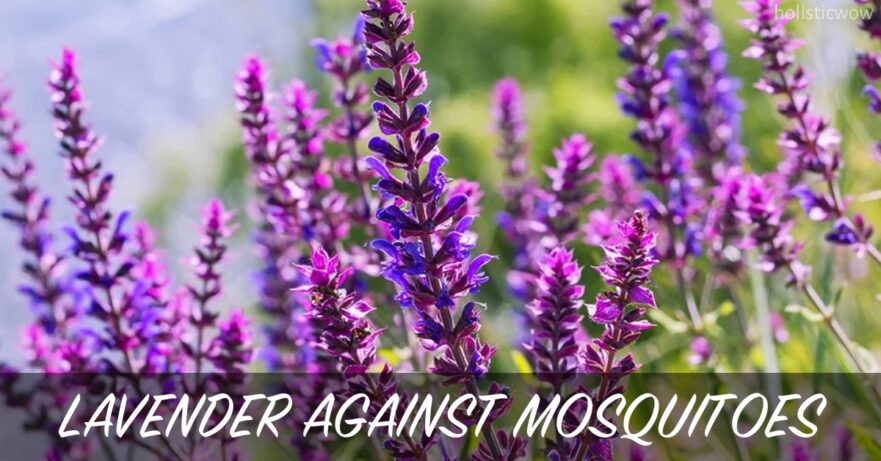
Lavender for mosquito control offers a safe, natural, and pleasantly scented way to keep mosquitoes at bay, thanks to potent essential oils in its leaves and flowers. Discover how using lavender plants and essential oils can provide effective, family-friendly mosquito protection while adding beauty and fragrance to your home and garden.
Key Takeaways
- 🦟 Natural Mosquito Shield: Lavender’s pleasant smell acts as a natural mosquito repellent—especially when its flowers are crushed or when you use its essential oil—helping to keep those pesky bugs away without needing harsh chemicals.
- 👨👩👧👦 Family-Friendly and Non-Toxic: Using lavender as a repellent is much safer for both children and pets compared to traditional chemical sprays, making it a gentle choice for everyday outdoor comfort.
- 🌿 Easy to Use at Home: You can simply rub crushed lavender on your skin, place plants near your outdoor seating, or make your own bug spray with lavender essential oil for a quick, natural mosquito solution.
- 😌 Wellness Boost Bonus: Lavender not only helps repel mosquitoes, but its naturally calming scent may promote relaxation, improve sleep, and even help minor scrapes heal—all in one trusty plant.
What Makes Lavender Effective Against Mosquitoes?
Lavender is considered an effective natural mosquito repellent because its essential oils contain compounds—such as linalool and linalyl acetate—that have been shown in some studies to help repel mosquitoes.
The essential oils are released when the leaves or flowers are crushed, allowing the aromatic oils to disperse into the air and maximize their mosquito deterrent effects.
This pleasant scent acts as a natural shield that not only smells good to people but also repels mosquitoes, helping to reduce unwanted bites during outdoor activities.
The aromatic properties of lavender, which is part of the mint family, contribute to its mosquito deterrent effect—similar to other insect-repelling plants in the same group.
While simply planting lavender provides some benefit, it’s crucial to crush the leaves or flowers to efficiently release the essential oils and boost its effectiveness as a mosquito repellent.
Lavender essential oil, when used in homemade sprays or as part of natural repellents, offers a targeted way to repel mosquitoes, providing a non-toxic alternative for families seeking a more comfortable outdoor environment and naturally repelling mosquitoes.
What Are the Benefits of Using Lavender as a Natural Mosquito Repellent?
Lavender is a non-toxic, plant-based repellent that offers a safer option for families and pets compared to many chemical mosquito repellents.
Choosing lavender instead of chemical options means reducing exposure to harsh synthetic ingredients, which is especially important for sensitive groups.
Lavender essential oil’s versatility adds to its appeal—it can be included in sprays, lotions, or diluted and applied to the skin as part of a straightforward and gentle mosquito control routine.
In addition, using lavender can enhance outdoor experiences, as its relaxing aroma can contribute to a calming atmosphere while promoting mosquito deterrence.
When placed in gardens, lavender not only helps contribute to mosquito deterrence but also attracts beneficial insects like bees and butterflies, supporting a healthy ecosystem and making gardening more rewarding.
These natural scents and qualities make lavender a practical and appealing choice among natural repellents, helping to maintain a more comfortable, bug-free environment that’s also appealing due to its relaxing fragrance and plant-based approach.
How Can You Use Lavender to Repel Mosquitoes?
Lavender serves as a natural mosquito repellent through various practical applications that can fit easily into everyday routines.
Crushing lavender leaves or flowers releases essential oils that can help deter mosquitoes, delivering the benefit of nature’s own pest control while minimizing chemical use.
After crushing, you can rub the leaves on your skin or clothing, taking advantage of the freshly released oils for personal protection, although this method is mild in effect.
Applying a diluted form of the oil directly to your skin or using it in a spray can offer enhanced protection, helping to sustain a bug-free environment during outdoor activities.
Always dilute lavender essential oil with a carrier oil before skin application to prevent irritation, and avoid use on young children or near eyes and mucous membranes, ensuring a safer and more comfortable application.
Keeping lavender plants around outdoor seating areas may also help create a more mosquito-deterring environment and serve as a visually pleasing addition to your landscape.
While lavender alone may not eliminate mosquitoes, it can be a helpful part of a broader strategy that includes other insect-repelling plants and protective measures, enhancing your environment’s natural pest-fighting power and promoting holistic pest control.
How Does Lavender Essential Oil Compare to Lavender Plants for Mosquito Control?
Lavender essential oil is generally more effective for mosquito control than relying on lavender plants alone because it delivers a higher concentration of the active compounds that mosquitoes find unpleasant.
The main reason is that lavender plants release only small amounts of their natural oils into the air unless the leaves or flowers are crushed, thus limiting their immediate protective power.
Simply having lavender plants in your garden may offer a mild deterrent, but they do not provide strong mosquito-repelling effects unless the plant material is regularly crushed or disturbed.
Lavender essential oil, by contrast, is a concentrated form of these natural oils that can be readily used for personal and environmental protection.
It can be applied to your skin, clothing, or used in sprays, delivering a much higher dose of the mosquito-repelling compounds right away for immediate relief.
This makes it a more immediate and potent option for deterring mosquitoes, offering prolonged protection and minimizing interruptions during outdoor activities.
While lavender plants—with their compact growth habit and pleasant scent—can be a helpful part of a natural repellents strategy and beautify your garden, lavender essential oil provides a more consistent and significant mosquito repellent effect, making it a wise addition for those seeking effective natural mosquito control.
How to Make a DIY Bug Spray Using Lavender Essential Oil?
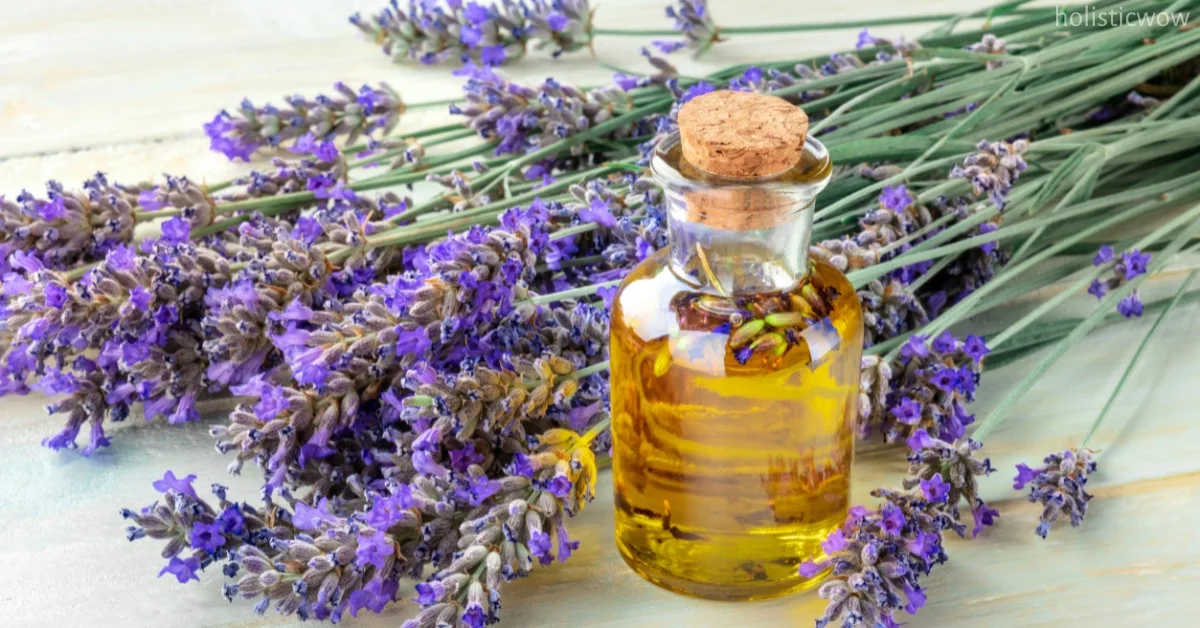
To create a DIY bug spray with lavender essential oil, combine 10–15 drops of lavender essential oil with 1 teaspoon of a carrier oil—such as coconut or jojoba oil—in a small spray bottle.
Next, add 1 teaspoon of witch hazel or vodka and 1½ tablespoons of distilled water to the bottle for balanced mixing and better dispersal of the essential oils.
Shake well to ensure all the ingredients are mixed evenly, so you experience consistent mosquito deterrent effects with every application.
This plant-based repellent uses natural ingredients like lavender essential oil, which can moderately help deter mosquitoes and other insects while also providing a pleasant scent.
The DIY bug spray offers a gentle, skin-friendly option that’s easy to tailor to your preferences and can provide a quick solution for outdoor protection.
While not as long-lasting as chemical repellents, this natural mosquito deterrent can be a gentle option for outdoor use, especially for those seeking alternatives to commercial products.
The formula is easy to scale for larger batches by maintaining the same ingredient ratios, offering flexibility for families or frequent outdoor events.
This DIY bug spray is a simple way to explore natural repellents using ingredients you may already have at home, making it both economical and eco-conscious.
Avoid spraying essential oil mixtures on or near the eyes, mouth, or open wounds, and discontinue use if any irritation occurs for safer use with a range of skin types.
Should You Consider Growing Lavender Plants for Mosquito Deterrence?
Growing lavender plants for mosquito deterrence is a practical choice for those seeking a natural, aromatic, and low-maintenance pest control solution that can be seamlessly incorporated into garden spaces.
Lavender is one of several insect-repelling plants that produce essential oils which may help repel mosquitoes—especially when the leaves or flowers are gently crushed to release these oils and boost their effectiveness.
Lavender thrives in a sunny location with well-drained soil and needs at least 6 to 8 hours of sunlight daily for healthy growth and optimal oil production, ensuring a steady supply of mosquito-repelling properties.
Regular pruning encourages bushier growth and may help the plant maintain better oil production, potentially enhancing its mosquito-repelling traits and improving the appearance of your garden.
In addition to its pest control benefits, lavender is a beautiful and fragrant addition to any garden, contributing both visual appeal and subtle natural scents that elevate outdoor enjoyment.
Its fragrant foliage and long-lasting blooms make it one of the most popular aromatic plants for both aesthetic and functional use, blending garden beauty with practical pest control.
What Are the Health Benefits of Lavender Beyond Mosquito Repellent?
Lavender offers health benefits that extend far beyond serving as a simple mosquito repellent, making it a valued addition to wellness routines.
The natural scents in this aromatic herb may help promote a sense of calm and relaxation, contributing to stress management and mental well-being.
Some research suggests that lavender essential oil may help reduce mild symptoms of anxiety and stress when used in aromatherapy or applied topically in diluted form, although results can vary among individuals.
Several studies indicate that inhaling lavender essential oil before bed may help promote relaxation and potentially improve subjective sleep quality, supporting better rest for those with occasional sleep difficulties.
This aromatic herb is also recognized for its potential to alleviate headaches; many people use lavender oil on their temples or in diffusers for relief, seeking its natural analgesic effects.
Limited evidence suggests that inhaling lavender essential oil may help reduce the severity of some tension headaches and migraines, but more research is needed to determine its overall effectiveness.
Lavender’s antiseptic properties make it valuable for supporting the healing of minor cuts and burns, providing a gentle and natural approach to wound care.
Applying diluted lavender essential oil to affected areas may assist with minor wound care by providing antibacterial properties and possibly reducing inflammation, but it should never replace professional medical treatment for serious wounds or burns.
With its wide range of uses, lavender continues to be a popular choice for those seeking natural wellness support through aromatic herbs and essential oils, offering holistic health benefits in addition to its role in mosquito deterrence.
Herbal Preparations and Recipes for Mosquito Repellent
Herbal remedies can effectively help manage mosquito bites and provide a natural alternative to chemical repellents. Lavender, known for its pleasant scent and mosquito-repelling properties, can be used alone or in combination with other herbs to enhance its effectiveness. The following recipes utilize lavender to create natural mosquito deterrents.
Always consult a healthcare provider before starting any new herbal regimen, especially if you have existing health conditions or are taking medications.
Lavender Essential Oil Bug Repellent
Ingredients:
- 10–15 drops lavender essential oil
- 1 teaspoon carrier oil (such as coconut or jojoba oil)
- 1 teaspoon witch hazel or vodka
- 1½ tablespoons distilled water
Preparation:
- In a small spray bottle, combine the lavender essential oil and carrier oil.
- Add the witch hazel or vodka and distilled water.
- Shake well to mix all ingredients thoroughly.
- Apply to exposed skin and clothing as needed, avoiding contact with eyes and mouth.
Apply every few hours as needed while outdoors for continued mosquito protection.
This gentle lavender-based spray may help deter mosquitoes naturally and soothe the senses with its pleasant aroma.
Warnings: Essential oils may cause skin irritation in some individuals. Always perform a patch test before widespread use. Avoid contact with eyes and mouth. Discontinue use if irritation occurs. Pregnant or nursing women should consult a healthcare provider before using products containing essential oils.
Lavender and Herbal Mosquito Defense Spray
Ingredients:
- 5 drops lavender essential oil
- 5 drops peppermint essential oil
- 5 drops eucalyptus essential oil
- 1 teaspoon witch hazel
- 1 tablespoon distilled water
Preparation:
- In a small spray bottle, combine the lavender, peppermint, and eucalyptus essential oils.
- Add the witch hazel and distilled water.
- Shake well to ensure all ingredients are mixed evenly.
- Spray on exposed skin and around outdoor areas as needed, avoiding contact with eyes and mouth.
Spray every few hours while outdoors or as needed for mosquito deterrence.
This balanced herbal spray combines the aromatic strengths of lavender, peppermint, and eucalyptus to help keep mosquitoes at bay in a natural way.
Warnings: Essential oils may cause skin sensitivity, especially in those with sensitive skin. Always perform a patch test before general use. Avoid spraying near the eyes or mouth. Discontinue use if skin irritation develops. Pregnant or nursing women should consult a healthcare provider before using products with essential oils. Do not use on young children without advice from a healthcare provider.
These herbal preparations provide natural support for repelling mosquitoes and may be an alternative to chemical repellents. Speak with a healthcare provider before use, especially if you have health conditions, are pregnant, or take medications.