
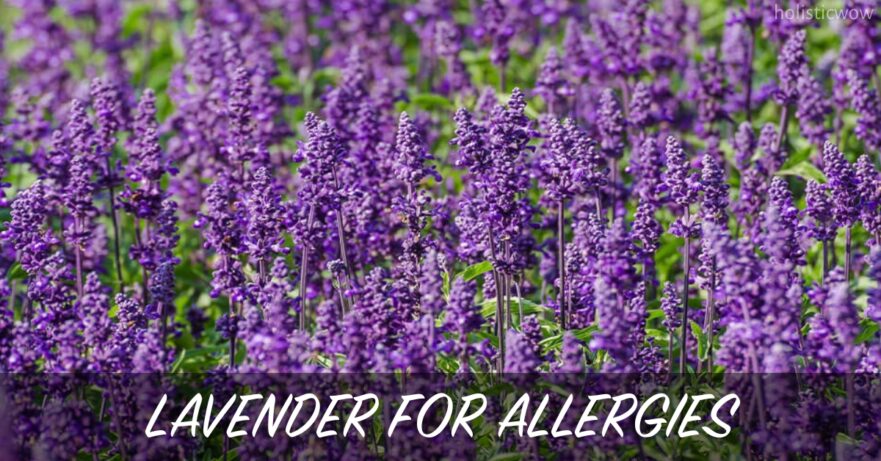
Lavender for allergies has gained popularity as a natural remedy, thanks to its powerful antihistamine and anti-inflammatory properties that help soothe symptoms like congestion, sneezing, and skin irritation. Used as an essential oil through inhalation, topical application, or aromatherapy, lavender offers a gentle and holistic approach to managing allergy discomfort.
Key Takeaways
- 🌸 Natural Allergy Relief: Lavender may help ease allergy symptoms like congestion, sneezing, and itchy skin thanks to its anti-inflammatory and antihistamine properties, making breathing and daily living more comfortable.
- 🫁 Supports Easier Breathing: Using lavender essential oil in a diffuser or through gentle inhalation can soothe inflamed airways and nasal passages, helping you breathe easier during allergy season.
- 🌱 Gentle on Skin: Properly diluted lavender oil may calm mild rashes or hives from allergies, offering natural support for irritated or sensitive skin when used as directed.
- 🧘♀️ Promotes Relaxation & Wellbeing: Lavender’s calming properties can reduce stress, which often worsens allergy symptoms, and create a more peaceful home environment as part of your allergy relief routine.
What Are the Benefits of Using Lavender for Allergies?
Lavender may offer a range of benefits for managing allergy symptoms, thanks to its natural antihistamine and anti-inflammatory properties.
These qualities can help relieve symptoms associated with allergic reactions, especially those affecting the respiratory system, such as sinus pressure, headaches, and congestion.
When used as an essential oil—typically through inhalation or properly diluted topical application—lavender may help reduce congestion, sneezing, sinus pressure, and headaches.
It can also soothe inflamed nasal passages and may help calm mild respiratory symptoms associated with seasonal allergies and allergic rhinitis.
Lavender’s anti-inflammatory effects may help relieve skin irritation caused by allergic reactions, such as rashes or hives.
While more research is needed, some studies suggest that lavender essential oil could potentially help limit allergic inflammation and reduce the activity of certain immune cells involved in allergic responses.
Because it addresses both inflammation and histamine-related symptoms, properly used lavender essential oil may be a helpful natural option to support overall allergy relief for some individuals.
Lavender’s calming properties may also promote a sense of relaxation, making allergy discomfort less disruptive to daily life.
The ability of lavender to help ease airway inflammation is a unique benefit that supports a clearer breathing experience during allergy season.
What Are the Key Components of Lavender Essential Oil Beneficial for Allergies?
Lavender essential oil is valued for its potential to help reduce allergic reactions.
Its primary active ingredients, linalool and linalyl acetate, deliver key benefits: linalool offers calming and anti-inflammatory effects that may help soothe irritation, while linalyl acetate supports anti-inflammatory and potential antihistamine-like actions.
These compounds work together to help lower inflammation and may help ease symptoms such as sneezing, nasal congestion, and skin irritation related to allergies.
Their combined effects may offer relief for seasonal allergies, allergic rhinitis, and mild skin reactions.
Lavender essential oil is a practical and natural option that may support the management of common mild allergic symptoms when used as directed.
The presence of these key components helps make lavender essential oil an effective natural antihistamine.
By helping to balance immune activity, lavender’s compounds contribute to reduced allergy flare-ups.
How Does Lavender Act as a Natural Antihistamine?
Lavender may act as a natural antihistamine by helping to inhibit the release of histamines in the body.
Histamines are chemicals involved in allergic reactions and are responsible for symptoms like sneezing, nasal congestion, itching, and a runny nose.
By potentially modulating histamine release, lavender could help reduce these symptoms and offer relief from mild allergic reactions.
This makes lavender a possible complementary option for supporting comfort in those dealing with seasonal allergies, allergic rhinitis, or minor skin allergies.
Lavender also has anti-inflammatory properties, which may help soothe tissues irritated by histamine and reduce overall inflammation.
The antihistamine effects of lavender may help decrease both the frequency and intensity of allergy symptoms.
Lavender can be particularly helpful for promoting easier breathing and lessening nasal congestion.
While promising animal and laboratory studies suggest lavender may provide some symptom relief, high-quality human studies are limited.
Lavender is not known to cause drowsiness like many traditional antihistamines, but it should not be considered a replacement for prescribed allergy medication in moderate or severe cases.
How Does Lavender Support the Immune System Against Allergic Reactions?
Lavender may support the immune system against allergic reactions by helping to reduce inflammation and modulate the body’s response to allergens.
Its natural anti-inflammatory properties can help lower the intensity of immune reactions, which may ease symptoms like sneezing, runny nose, and skin irritation.
Some animal studies suggest lavender may positively influence certain immune pathways, but its direct effect on increasing white blood cell production in humans is unproven.
This combination of potential immune support and anti-inflammatory effects suggests that lavender could potentially be a helpful natural option for managing mild allergic reactions.
Lavender’s ability to dampen overactive immune responses may contribute to fewer allergy outbreaks and improved comfort.
It may also enhance the body’s resilience during periods of seasonal allergies.
Always consult a healthcare professional before using essential oils, particularly if you have underlying immune conditions or take allergy medications.
What Are the Methods of Using Lavender for Allergy Relief?
Lavender may help provide allergy relief through three primary methods: aromatherapy, topical application, and inhalation.
Using a diffuser to disperse lavender essential oil throughout a room can support relaxation and may help ease mild respiratory symptoms, such as nasal congestion.
For skin allergies or rashes, dilute lavender oil with a carrier oil before gently applying it to affected areas—this may help soothe irritation and reduce mild inflammation.
Always do a patch test first to check for sensitivity.
Inhaling the scent of lavender directly from a tissue or bottle can offer quick, temporary relief from symptoms like sneezing or stuffy nose.
These natural remedies are generally considered safe when used appropriately; however, essential oils should always be properly diluted before skin use and should never be ingested.
Aromatherapy with lavender can help create a calming environment, which may further ease allergic discomfort.
Topical use may provide localized relief from itching and redness associated with allergic reactions.
If symptoms worsen or are severe, seek medical attention.
How Can Lavender Essential Oil Be Used for Allergic Rhinitis?
Lavender essential oil may help relieve symptoms of allergic rhinitis when diffused in the air.
This can ease nasal congestion, soothe nasal passages, and support easier breathing by calming the respiratory tract.
Applying diluted lavender essential oil to the chest or neck may also provide a calming effect and could potentially reduce irritation in the nasal area, which may help manage sneezing and other respiratory symptoms.
These benefits are thought to come from lavender’s natural anti-inflammatory properties and its potential to modulate allergic responses, though more research is needed to fully understand its effects.
Always dilute lavender essential oil before applying it to the skin to reduce the risk of irritation.
Lavender’s relaxing aroma may also help reduce stress, which can otherwise worsen allergy symptoms.
Using lavender for allergic rhinitis may support improved quality of life during high pollen seasons.
Can Inhalation of Lavender Essential Oil Soothe Respiratory Symptoms?
Inhalation of lavender essential oil may help soothe respiratory symptoms by reducing inflammation and promoting relaxation of the airways.
This can make breathing feel easier, especially during allergy-related episodes.
Lavender essential oil may also help relieve symptoms like coughing, sneezing, and nasal congestion.
The soothing aroma can have a calming effect, which may further support easier breathing.
While not a replacement for medical treatment, the inhalation of lavender essential oil could potentially offer gentle, natural support for managing mild respiratory symptoms.
Evidence is primarily from animal or laboratory studies; high-quality clinical trials in humans are limited.
Frequent inhalation of lavender may help prevent the escalation of mild respiratory discomfort.
The gentle nature of lavender inhalation makes it accessible even for those with sensitive respiratory tracts.
Does Lavender Provide Relief for Nasal Congestion?
Lavender may help relieve nasal congestion due to its anti-inflammatory and soothing properties.
Inhaling lavender essential oil could potentially reduce inflammation in the nasal passages and improve airflow, which may make breathing easier during congestion.
The calming effect of lavender may also help ease discomfort from blocked sinuses and seasonal allergies, offering gentle support for respiratory symptoms.
For practical use, you can prepare a simple aromatherapy mist by adding a few drops of lavender essential oil to distilled water in a spray bottle.
Mist this blend into the air or onto a tissue and inhale as needed throughout the day.
Be careful to avoid direct contact with mucous membranes or eyes.
Lavender oil can offer natural relief from mild nasal congestion but should not replace medical evaluation for persistent or severe symptoms.
Lavender’s benefit in easing airway inflammation provides helpful support during allergy-related sinus congestion.
Consistent use can aid in maintaining clearer nasal passages.
What Are the Effects of Lavender on Seasonal Allergies?
Lavender may help reduce inflammation and support a calmer immune response in people with seasonal allergies.
Its soothing properties could potentially ease symptoms such as sneezing, nasal congestion, and itchy eyes.
Regular use of lavender essential oil during allergy season may offer relief from some common allergic symptoms, though more research is needed to confirm its effectiveness.
These potential benefits are linked to lavender’s anti-inflammatory effects and possible mild antihistamine-like properties, which may help address both the discomfort and underlying inflammation associated with seasonal allergies.
Always use lavender essential oil as a complementary approach and consult a healthcare provider for significant or persistent allergy symptoms.
Lavender’s stress-reducing qualities may also contribute to fewer stress-induced allergy flare-ups.
The anti-inflammatory support of lavender is particularly helpful as pollen counts rise.
Can Lavender Help Reduce Inflammation Caused by Allergies?
Lavender may help reduce inflammation caused by allergies due to its natural anti-inflammatory properties.
Research suggests that it can help calm the body’s allergic response by reducing the activity of certain inflammatory mediators and cytokines, which are substances involved in triggering allergy symptoms.
This calming effect may help ease swelling, irritation, and other discomforts linked to allergies.
Lavender’s combination of anti-inflammatory effects and potential natural antihistamine-like actions could provide gentle, supportive relief for those dealing with allergy-related inflammation.
However, the evidence for use in moderate or severe allergic inflammation in humans is not yet well established—always use in conjunction with appropriate medical care.
Lavender’s actions may decrease the overall burden of inflammation, leading to improved comfort.
Incorporating lavender may lessen the need for secondary interventions for mild symptoms.
Is Lavender Effective for Skin Allergies and Rashes?
Lavender essential oil may help relieve skin allergies and rashes by offering anti-inflammatory and soothing effects that can reduce irritation, redness, and discomfort.
When properly diluted with a carrier oil, it can be used as a topical application on areas affected by mild rashes or hives.
Its calming properties make it a gentle option for sensitive skin and may support the healing of minor skin irritations.
However, while lavender essential oil shows promise, it should not replace medical treatment for more serious or persistent skin conditions.
Always perform a patch test before wider use to check for any adverse reactions.
Lavender remains a popular natural remedy for mild skin allergies, including those related to seasonal or environmental allergens.
Seek medical attention for significant swelling, severe irritation, or signs of infection.
Lavender’s ability to soothe and restore the skin barrier is a valuable asset for individuals prone to mild allergic rashes.
Regular application may decrease itching and speed up recovery time for minor skin reactions.
Herbal Preparations and Recipes for Allergy Relief
Herbal remedies can help manage allergy symptoms by utilizing the natural properties of various herbs. Lavender, in particular, is known for its anti-inflammatory and antihistamine effects, making it a valuable option for alleviating symptoms like nasal congestion, sneezing, and skin irritation. The following recipes incorporate lavender to support your body’s response to allergies.
Always consult a healthcare provider before starting any new herbal regimen, especially if you have existing health conditions or are taking medications.
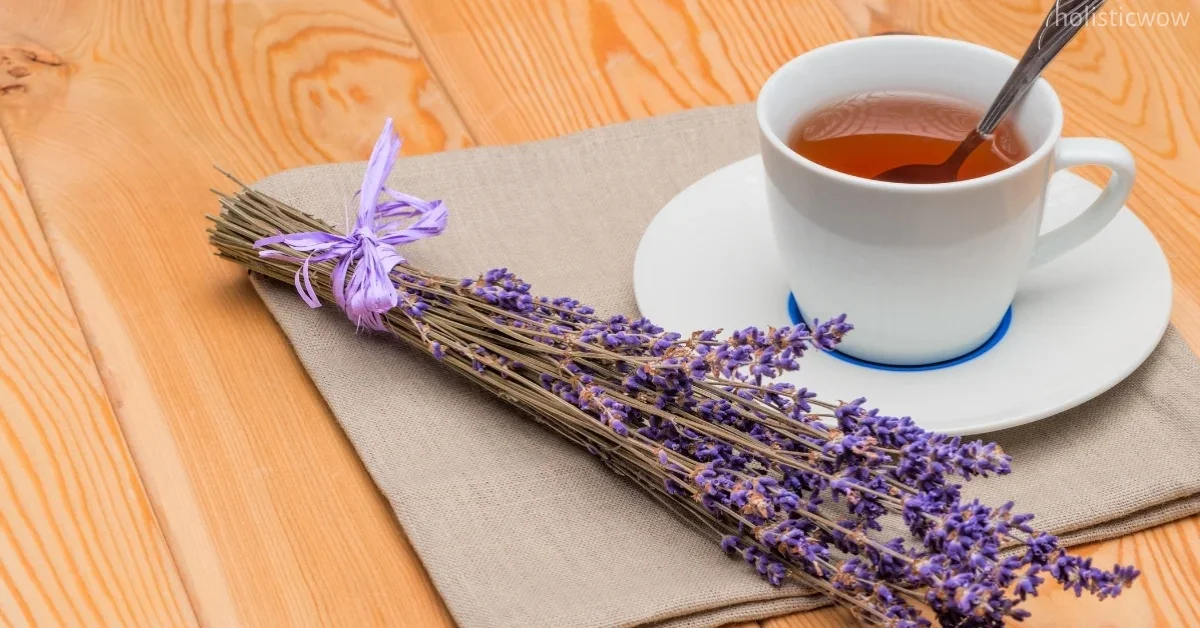
Soothing Lavender Tea
Ingredients:
- 1 teaspoon dried lavender flowers
- 1 cup boiling water
Preparation:
- Place the dried lavender flowers in a teapot or cup.
- Pour boiling water over the lavender.
- Cover and steep for 10 minutes.
- Strain and enjoy warm.
Drink 1–2 cups daily to help support your body’s response to seasonal allergies.
This tea can help soothe mild respiratory discomfort, reduce nasal congestion, and promote relaxation during allergy season.
Warnings: Lavender is generally safe in moderate amounts but can cause digestive upset in some individuals. Avoid if pregnant or breastfeeding unless advised by your healthcare provider. Use caution if you are taking sedative medications, as combining them may increase drowsiness. Discontinue use if you develop any allergic reaction.
Calming Allergy Relief Blend
Ingredients:
- 1 teaspoon dried lavender flowers
- 1 teaspoon dried chamomile flowers
- 1 teaspoon dried peppermint leaves
- 1 teaspoon dried nettle leaves
- 1 cup boiling water
Preparation:
- Combine all the dried herbs in a teapot or infuser.
- Pour boiling water over the herbs.
- Cover and steep for 15 minutes.
- Strain and drink warm. Add honey or lemon for taste if desired.
Drink 1 cup 2–3 times daily as needed for relief from allergy symptoms.
This blend brings together the soothing properties of lavender and chamomile with the anti-inflammatory benefits of nettle and the cooling effect of peppermint. It may help ease sneezing, congestion, and general discomfort caused by seasonal allergies.
Warnings: Chamomile may cause allergic reactions, especially in those sensitive to ragweed or related plants. Peppermint can cause mild heartburn or digestive upset in some individuals. Nettle may interact with blood thinners, blood pressure medications, or diuretics, and can occasionally cause mild gastrointestinal upset. Use caution if pregnant, breastfeeding, or taking medications, and consult your provider before use if you have chronic health conditions or known allergies.
These herbal preparations are designed to complement, not replace, conventional treatments for allergies. Consult your healthcare provider before use, especially if you have allergies, health conditions, or are taking medications.