
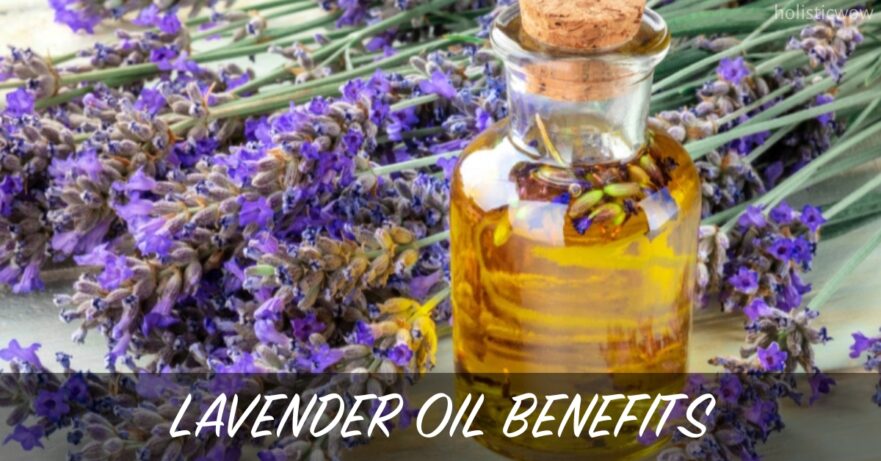
Lavender oil benefits, uses and side effects has become a popular topic as this fragrant essential oil is widely praised for its ability to reduce stress, support skin health, and improve sleep, yet it also carries some risks if not used correctly. Discover how lavender oil can enhance wellness, its common applications in daily routines, and important safety tips to consider before use.
Key Takeaways
- 🛏️ Calming and Relaxation: Lavender oil is widely used in aromatherapy to help relieve anxiety, reduce stress, and promote better sleep due to its soothing effects on the mind and body.
- 🌱 Skin and Wellness Benefits: Thanks to its antibacterial and antifungal qualities, lavender oil can help with minor skin issues and create a cleaner, healthier complexion when used properly and in moderation.
- 🔥 Pain and Mood Support: Lavender oil may offer mild pain relief and emotional support, helping to soothe menstrual discomfort and create a sense of emotional balance during stressful times.
- ⚠️ Safety First: Always dilute lavender oil before applying to skin, avoid ingesting it without medical advice, and check with your doctor if you have sensitivities or health conditions to ensure safe use.
What Are the Benefits of Lavender Oil?
Lavender oil is recognized for its calming effects and is widely used to help reduce anxiety and stress.
Inhalation or aromatherapy with lavender oil often promotes relaxation and, in some people, can help improve sleep quality and relieve mild symptoms of insomnia, though more research is needed to confirm its effectiveness for sleep disorders.
Evidence suggests that using lavender oil can support better sleep and may help improve mood or alleviate mild symptoms of anxiety.
Lavender oil often provides a sense of tranquility during times of heightened stress.
It also shows antibacterial and antifungal properties in laboratory research, which may contribute to its use in natural skin care, although these effects are less well established in real-world settings.
Lavender oil’s antimicrobial action may help protect against bacterial overgrowth on the skin while supporting a cleaner, healthier complexion.
Lavender oil may offer mild pain relief, particularly for menstrual cramps and some acute pain associated with medical procedures.
It has antioxidant and anti-inflammatory properties that could support overall wellness, though these effects have primarily been observed in laboratory studies and their clinical significance is uncertain.
This antioxidant effect may help combat oxidative stress, potentially offering added protection for your body’s tissues.
Some studies suggest it may also support hair growth in conditions like alopecia areata when applied topically, but evidence is limited and more high-quality research is needed.
While scientific evidence for some uses of lavender oil remains limited, it continues to be a popular choice for a variety of wellness and natural health applications due to its wide range of potential applications.
This broad spectrum of possible benefits makes lavender oil a versatile addition to many natural care routines.
How Is Lavender Oil Used in Aromatherapy?
Lavender oil is commonly used in aromatherapy to promote relaxation and support anxiety reduction.
The most popular methods are inhalation and diffusion.
For inhalation, you can breathe in the scent directly from the bottle or place a few drops on a tissue.
This practice often delivers a soothing experience that can help quiet busy thoughts.
For diffusion, add a few drops of lavender essential oil to an aromatherapy diffuser to gently spread the calming fragrance throughout the air.
Lavender’s natural aroma may help create a peaceful ambiance that is especially useful during stressful periods or before bedtime.
Lavender oil may also be blended with carrier oils and used in massage therapy.
This combination of soothing scent and touch may help enhance relaxation and support emotional well-being, based on some small studies and anecdotal reports.
Many people find that massage with lavender oil offers a sense of tension release and relaxation, fostering a greater sense of emotional balance.
These methods of using lavender oil in aromatherapy are generally considered safe and may help create a calming environment.
What Are the Uses of Lavender Oil for Skin Care?
Lavender oil is valued in skin care for its potential antibacterial and antifungal properties, which may help manage various skin concerns.
By limiting the growth of certain bacteria and fungi in laboratory studies, lavender oil could potentially support acne treatment and help soothe minor skin irritations.
Regular use of lavender oil as part of a skin care routine may help reduce the frequency of breakouts while providing natural soothing benefits.
Products with lavender oil are commonly used for conditions such as acne and mild eczema, thanks to their antimicrobial and calming effects.
Lavender oil’s natural fragrance can also contribute to a pleasant sensory experience while you care for your skin.
However, because lavender oil can cause skin irritation in some individuals, it’s important to always perform a patch test before applying it or products containing lavender oil to a larger area of your skin.
Using lavender oil in small amounts and ensuring proper dilution can help reduce the chance of an adverse reaction and maintain skin’s healthy appearance.
How Does Lavender Oil Help with Anxiety and Depression?
Lavender oil may help reduce symptoms of anxiety and depression through its calming effects on the nervous system.
Some evidence—including small clinical studies—suggests that lavender oil (particularly oral forms or aromatherapy) can help reduce symptoms of mild anxiety.
The mechanism may involve influence on neurotransmitter activity in brain areas like the limbic system, which plays a role in emotions and mood regulation.
Lavender oil’s impact on neurotransmitters like serotonin may contribute to relaxation and a more positive mood.
Inhalation of lavender oil—whether through aromatherapy or during massage—has been shown in some studies to modestly improve mood and promote relaxation, especially for mild anxiety.
These methods may help ease feelings of stress and tension.
Lavender oil’s ability to support mental calmness can make it a helpful addition to stress management routines.
Research suggests that using lavender oil can be a helpful complementary approach for managing anxiety and supporting emotional well-being.
It is not a substitute for medical treatment but may be used alongside standard therapies under the guidance of a healthcare provider.
Individuals who incorporate lavender oil into their wellness plans may notice subtle improvements in mood and overall quality of life.
Lavender oil’s soothing properties make it a popular natural option for those seeking gentle support for anxiety, mild symptoms of depression, and overall mood improvement.
How Can Lavender Oil Improve Sleep Quality?
Lavender oil may help improve sleep quality when used through inhalation before bedtime.
Inhaling lavender’s calming scent can promote relaxation, which may help people fall asleep faster and experience more restful sleep.
Lavender oil is often added to pillow sprays and nighttime diffusers to create a tranquil environment that encourages sleep.
Some studies suggest that individuals who use lavender aromatherapy report feeling more refreshed upon waking and may have longer sleep durations.
This can be especially beneficial for people who have trouble relaxing in the evening or who suffer from occasional sleeplessness.
While results can vary, lavender oil is commonly included in sleep aids and relaxation products to support better sleep.
Using lavender oil as part of a bedtime routine may help enhance relaxation and improve sleep quality for some people, though it should not be viewed as a primary treatment for significant sleep disorders.
Regular practice can establish a consistent sense of calm that supports long-term sleep hygiene.
What Are the Pain Relief Benefits of Lavender Oil?
Lavender oil may help provide pain relief, particularly for menstrual cramps and certain types of acute pain during medical procedures.
Aromatherapy with lavender oil has been shown to modestly reduce pain perception in some clinical studies, especially during interventions like needle insertions or minor procedures.
Lavender oil’s gentle analgesic properties make it a valuable addition to non-pharmaceutical pain management strategies.
Its calming effect on the nervous system and ability to relax muscles may contribute to a reduced perception of pain.
Lavender oil can help minimize tension-related discomfort, offering relief in stress-related pain scenarios.
However, lavender oil is best considered a complementary option for mild pain and should not replace standard pain management practices.
Its use may enhance a sense of well-being during and after minor medical procedures.
What Are the Antimicrobial Properties of Lavender Oil?
Lavender oil has notable antimicrobial properties that have been demonstrated in laboratory tests to help fight certain bacteria and fungi.
Its key chemical compounds, such as linalool and linalyl acetate, are believed to contribute to these effects.
Lavender’s antimicrobial activity supports its use in natural remedies for common skin complaints.
Because of its ability to combat microorganisms in laboratory studies, lavender oil could potentially help with minor skin infections and irritations.
For this reason, it is often included in skin care products aimed at supporting skin health.
Lavender’s role in inhibiting harmful microbes may result in a healthier skin barrier and reduced risk of recurrent irritation.
However, its effectiveness in treating infections on the skin in real-world use is not fully proven and should not replace medical treatment if an infection is suspected.
Routine use in skin care may contribute to long-term skin resilience and cleanliness.
What Are the Potential Side Effects of Lavender Oil?
Lavender oil is generally safe for most people, but side effects can occur depending on how it is used.
Topical application may lead to skin irritation, such as redness, contact dermatitis, or eczema, especially in individuals with sensitive skin.
Allergic reactions can occur, though they are uncommon.
Some individuals may develop mild rashes or sensitivity after repeated exposure.
When ingested, lavender oil should generally be avoided, as it may cause headaches, constipation, diarrhea, nausea, or—rarely—heart palpitations and other symptoms.
Oral use of lavender oil has not been proven effective for most conditions and should not be attempted without medical advice.
To reduce the risk of side effects, it’s best to use lavender oil as directed and consult a healthcare provider before ingesting it or using it on sensitive skin.
Proper usage helps maintain lavender oil’s potential to offer soothing, beneficial effects with minimal risk.
How Should Lavender Oil Be Used Safely?
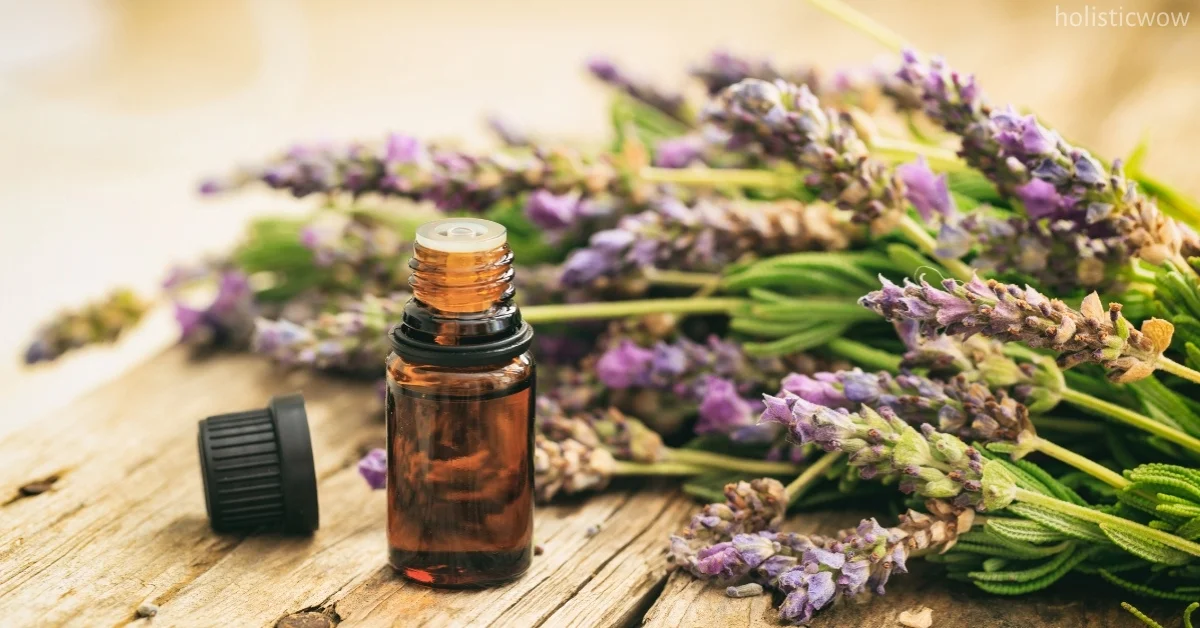
Lavender oil is safest when properly diluted before use.
Mix lavender essential oil with a carrier oil, such as coconut or jojoba oil, before applying it to the skin.
This helps reduce the risk of skin irritation or allergic reactions and supports overall safety.
Diluted application also helps preserve the skin’s barrier while enhancing the oil’s absorption.
For aromatherapy, use lavender oil in a diffuser or add a few drops to a bowl of hot water.
Make sure the room is well-ventilated to avoid prolonged or excessive inhalation, which could potentially cause side effects.
Gentle inhalation of lavender oil may provide calming benefits without overwhelming the senses.
Lavender oil should not be taken by mouth unless specifically recommended by a healthcare provider, as oral use is linked to a higher risk of unwanted side effects.
Always talk to your healthcare provider before using lavender oil in new ways, especially if you have underlying health conditions, are pregnant or breastfeeding, or are taking medications.
Using lavender oil carefully and thoughtfully helps maximize its potential for relaxation and wellness.
What Are the Precautions When Using Lavender Oil?
Precautions for using lavender oil include several important points to ensure safe use and avoid potential side effects.
Do not use lavender oil in young males who have not reached puberty due to possible hormone-like (estrogenic) effects observed in rare cases, which may interfere with normal development.
Consulting a healthcare provider can help you make informed choices about lavender oil use tailored to your individual circumstances.
Always consult a healthcare provider before using lavender oil, especially if you have a medical condition, are taking medications, are pregnant, breastfeeding, or are scheduled for surgery, as lavender oil may interact with central nervous system (CNS) depressants or affect anesthesia.
Proper caution helps minimize the risk of unwanted effects while supporting the safe integration of lavender oil into your routine.
To reduce the risk of skin irritation, lavender oil should be properly diluted before applying it to the skin.
Using these prudent precautions helps ensure you can enjoy lavender oil’s calming and supportive properties safely.
Herbal Preparations and Recipes for Anxiety and Sleep Support
Herbal remedies can be effective in managing anxiety and improving sleep quality. Lavender, known for its calming effects, can be combined with other supportive herbs to enhance relaxation and promote emotional well-being. The following recipes utilize lavender and complementary herbs to help reduce anxiety and support better sleep.
Always consult a healthcare provider before starting any new herbal regimen, particularly if you have existing health conditions or are taking medications.
Calming Lavender Tea
Ingredients:
- 1 teaspoon dried lavender flowers
- 1 cup boiling water
Preparation:
- Place the dried lavender flowers in a teapot or cup.
- Pour boiling water over the lavender.
- Cover and steep for 10 minutes.
- Strain and enjoy warm.
Drink 1–2 cups daily, especially in the evening, to promote relaxation and support restful sleep.
This gentle tea may help calm the mind, ease feelings of anxiety, and prepare your body for a peaceful night’s sleep.
Warnings: Lavender may cause allergic reactions in some individuals and can interact with sedative medications. Pregnant or breastfeeding women should consult a healthcare provider before use. Discontinue use if you experience any adverse effects.
Soothing Sleep Blend Tea
Ingredients:
- 1 teaspoon dried lavender flowers
- 1 teaspoon dried chamomile flowers
- ½ teaspoon dried lemon balm leaves
- ½ teaspoon dried passionflower
- 1 cup boiling water
Preparation:
- Combine all the dried herbs in a teapot or infuser.
- Pour boiling water over the herbs.
- Cover and steep for 15 minutes.
- Strain and serve warm.
Drink 1 cup about 30 minutes before bedtime to help reduce anxiety and improve sleep quality.
This herbal blend combines calming and gentle sedative properties that may help soothe anxious thoughts, promote relaxation, and encourage deeper, more restful sleep.
Warnings: Chamomile may cause allergic reactions, especially in people sensitive to plants in the daisy family. Lemon balm and passionflower can cause drowsiness and may interact with sedative medications. Lavender may also cause allergic reactions and interact with sedatives. Pregnant or breastfeeding women should consult a healthcare provider before using these herbs. Do not use if you have known allergies to any ingredient, and discontinue use if any adverse effects occur.
These herbal blends are intended to support relaxation and sleep, but they are not replacements for professional care. Consult your healthcare provider before use, especially if you have health conditions or take medications.