
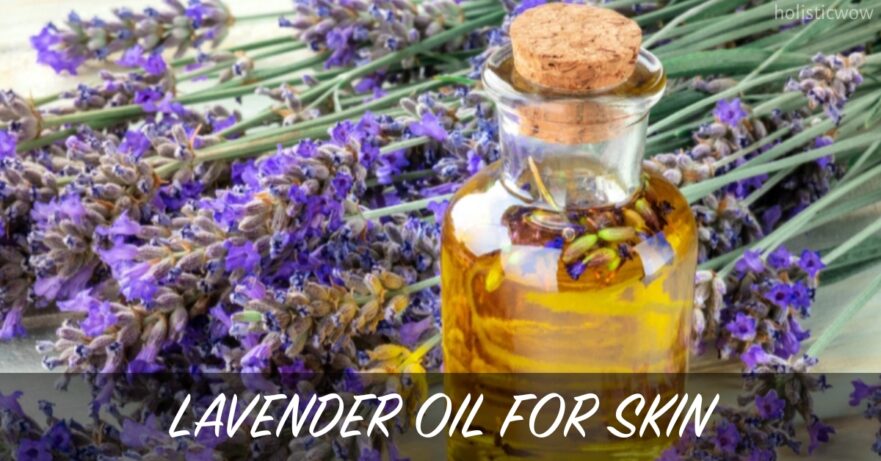
Lavender for skin is a popular natural remedy, known for its soothing, antibacterial, and healing properties that can help calm irritation, reduce inflammation, fight acne, and promote a healthy, radiant complexion.
Key Takeaways
- 🌸 Gentle Soothing & Healing: Lavender oil helps calm irritated or inflamed skin, supports faster recovery from minor wounds, and can reduce redness for a more comfortable and even complexion.
- 🦠 Acne & Sensitive Skin Support: Its natural antibacterial and anti-inflammatory powers may help prevent mild acne breakouts and bring comfort to sensitive or eczema-prone skin—just be sure to always dilute before using.
- 🛡️ Antioxidant Protection: The antioxidants in lavender oil can protect skin from environmental stress and premature aging, potentially resulting in a fresher, healthier-looking face over time.
- ⚠️ Safety First: While generally safe when diluted, lavender oil can cause irritation or allergies in some people, so always do a patch test and stop using it if your skin gets red or itchy.
What Are the Benefits of Lavender Oil for Skin?
Lavender oil offers a variety of benefits for skin treatment, making it a popular ingredient in natural skin care routines.
It is valued for its anti-inflammatory, antimicrobial, and antioxidant properties, which may help with inflammation reduction, mild pain relief, and support minor wound healing.
These unique properties allow lavender oil to play a role in skin healing and protection against external aggressors such as environmental stressors.
Lavender oil also supports acne prevention by helping to eliminate bacteria and reduce clogged pores, which can reduce breakouts and skin irritation.
Regular use may provide calmer, clearer skin and assist in managing occasional flare-ups of sensitive skin conditions.
Its natural antioxidants may further protect the skin from oxidative stress and may support a more even skin tone.
Lavender oil may also help soothe certain symptoms of skin conditions like mild eczema, offering a calming effect, but it is not a cure and may cause irritation in some individuals.
Using lavender oil as part of a holistic natural skin care approach can improve overall skin wellness and appearance.
What Are the Soothing Properties of Lavender Oil?
Lavender oil is known for its mild soothing properties, mainly due to natural compounds like linalool and linalyl acetate.
These components may help lessen mild pain, inflammation, and skin irritation, offering relief from minor issues such as sunburn, minor burns, and insect bites.
The ability of lavender oil to soothe irritated skin makes it a favorite in calming formulations for sensitive skin care.
Thanks to its calming effect, lavender oil is often used in therapeutic grade formulations to support skin comfort and may help promote a feeling of relaxation.
Lavender oil’s unique soothing properties may also contribute to reducing redness and calming stress-related skin responses, making it beneficial for daily skin care routines.
What Antioxidant Properties Does Lavender Oil Have?
Lavender oil contains natural antioxidants, including compounds like linalool and linalyl acetate, which help neutralize free radicals and may reduce their damaging effects on the skin.
By protecting against free radicals, lavender oil may support the maintenance of healthy skin and help minimize the appearance of visible signs of aging, such as fine lines and wrinkles, promoting a more youthful appearance.
This antioxidant protection aids in skin rejuvenation and helps maintain a glowing complexion.
Using lavender oil regularly in your skin care routine can help guard against premature aging and environmental damage, contributing to long-term skin health.
What Are the Anti-inflammatory Properties of Lavender Oil?
Lavender oil is known for its anti-inflammatory properties and may help reduce minor inflammation, redness, and swelling, especially in cases of sensitive or irritated skin.
It contains natural compounds that support the reduction of mild inflammation, making it a popular option for easing mild skin reactions and promoting skin comfort.
The anti-inflammatory activity present in lavender oil may also aid in speeding up skin recovery from temporary flare-ups and soothing inflammation in sensitive skin areas.
How Does Lavender Oil Reduce Inflammation?
Lavender oil may help with inflammation reduction by providing soothing and mild pain-relieving effects when applied to irritated or inflamed skin.
Its natural anti-inflammatory properties can help calm the area and support healing.
For best results, lavender oil should be diluted with a carrier oil, which helps enhance its effectiveness and reduces the risk of skin irritation.
This combination can maximize lavender oil’s ability to deliver targeted relief and promote a more comfortable skin experience.
Using a carrier oil may also allow the skin to absorb the anti-inflammatory benefits more efficiently.
Can Lavender Oil Help with Acne Prevention?
Lavender oil may help with acne prevention by gently reducing the growth of certain skin bacteria (such as Cutibacterium acnes) and calming localized inflammation that can contribute to breakouts.
Its natural antibacterial and anti-inflammatory properties make it a potentially gentle option for mild acne-prone skin, but should not be considered a stand-alone treatment for moderate to severe acne.
Regular application can support a decrease in redness and swelling associated with pimples, helping skin appear smoother over time.
Lavender oil is generally considered non-comedogenic, making it less likely to clog pores and worsen acne.
Always dilute before use to reduce risk of irritation.
Does Lavender Oil Aid in Eczema Relief?
Lavender oil may help with eczema relief by providing a soothing sensation and reducing mild irritation and inflammation.
Its calming properties can be beneficial for helping manage some symptoms associated with eczema, and it may also help moisturize dry, itchy areas when mixed with a carrier oil.
This natural approach can help restore comfort to stressed, irritated skin and may even enhance hydration in eczema-prone areas.
While lavender oil is not a cure, it could potentially support skin comfort when used as part of a broader skincare routine.
Always dilute essential oils properly and consult with a healthcare provider before using them on sensitive or broken skin, especially if you have eczema, as it may worsen symptoms in some people.
Can Lavender Oil Help with Hyperpigmentation?
Lavender oil may help with hyperpigmentation by supporting overall skin health and potentially reducing the appearance of minor discoloration through its anti-inflammatory and antioxidant effects.
Its natural anti-inflammatory properties may help calm irritated skin, which can be a factor in some forms of hyperpigmentation, but definitive evidence for direct skin lightening is limited.
The antioxidants in lavender oil may work to protect skin from further discoloration and promote a more even tone.
While more research is needed, using lavender oil as part of a consistent skincare routine may contribute to supporting an even skin tone, but it is not a replacement for dermatological treatments.
Incorporating lavender oil with other skin care products may offer synergistic benefits for brighter, healthier-looking skin.
How Does Lavender Oil Promote Wound Healing?
Lavender oil may help promote wound healing by supporting the repair of skin tissue and reducing the risk of minor skin infection.
Its natural antibacterial and anti-inflammatory properties make it a useful option for minor skin treatment, such as small cuts and scrapes.
Regular application to minor wounds may encourage faster tissue regeneration and reduce discomfort during healing.
These healing properties suggest that lavender oil could potentially support the healing process and improve skin recovery for minor, non-serious wounds only; seek medical care for larger or deeper wounds.
How Can Lavender Oil Be Used as a Skin Moisturizer?
Lavender oil can be used as a skin moisturizer by mixing a few drops with a carrier oil, such as coconut oil.
This combination may help hydrate and nourish the skin, which can alleviate dryness and improve overall skin texture.
Lavender oil’s ability to lock in moisture is especially helpful for dry or rough skin patches, enhancing softness and flexibility.
Using a carrier oil helps dilute the lavender oil, making it safe for topical use while enhancing its moisturizing benefits.
Blending lavender oil into your daily skin care routine may provide lasting hydration and a gentle, aromatic experience.
Remember, pure lavender oil should not be applied directly to the skin.
How Does Lavender Oil Act as an Insect Repellent?
Lavender oil acts as a natural insect repellent due to compounds in its essential oil that are thought to help deter mosquitoes and other bugs.
In addition to its bug repellent properties, lavender oil also contains natural ingredients that can help soothe skin irritation caused by insect bites, making it a gentle alternative to chemical-based products.
Its use as an insect repellent can offer protection with minimal skin irritation, which is ideal for those seeking natural alternatives.
The soothing properties of lavender oil also aid in reducing discomfort or itching when applied after bites.
However, evidence for its effectiveness compared to conventional repellents is limited.
Is Lavender Oil Safe for All Skin Types?
Lavender oil is generally safe for most skin types, including sensitive and oily skin, when used properly and diluted with a carrier oil.
However, it may cause irritation or allergic reactions in some individuals.
To help prevent any issues, it’s a good idea to do a patch test before applying lavender oil more widely on your skin.
This simple step can help you see how your skin reacts and ensure it’s a good fit for your skin type.
Including lavender oil in your regimen can provide a gentle, calming option for diverse skin concerns without the harshness of synthetic ingredients.
If irritation, redness, or itching develops, discontinue use immediately.
What Are the Potential Risks of Using Lavender Oil on Skin?
The use of lavender oil on the skin may pose several risks, including skin irritation and allergic reactions, especially in people with sensitive skin.
In some cases, it could potentially aggravate conditions such as eczema.
To reduce these risks, it’s important to dilute lavender oil properly and perform a patch test before applying it more broadly.
Awareness of these risks helps you make informed choices for your skin care routine and minimizes the risk of contact dermatitis.
Lavender oil should not be used on open wounds or broken skin, and should be avoided by people with known allergies to lavender or related plants.
How Can Lavender Oil Be Incorporated into a Skin Care Routine?
Lavender oil can be incorporated into a skin care routine in several ways.
It’s important to dilute it with a carrier oil, such as jojoba or coconut oil, before applying it to the skin to help reduce the risk of irritation.
You can also add a few drops of lavender oil to your regular moisturizer or facial cream to potentially enhance its calming and soothing effects.
Including lavender oil in toners or gentle massage oils can provide further natural skin benefits such as improved tone and relaxation during self-care rituals.
Some people use lavender oil in aromatherapy as part of their skin care routine, as its relaxing scent may help reduce stress, which can indirectly benefit the skin.
As with all essential oils, always patch test first and consult with a healthcare provider if you have sensitive skin, allergies, or underlying medical conditions.
Herbal Preparations and Recipes for Skin Health
Herbal remedies can effectively support skin health, particularly through the soothing and healing properties of lavender. The following recipes utilize lavender and other beneficial herbs to promote skin wellness, reduce inflammation, and support overall skin appearance.
Always consult a healthcare provider before starting any new herbal regimen, especially if you have existing health conditions or are taking medications.
Lavender Skin Soothing Oil
Ingredients:
- 10 drops lavender essential oil
- 2 tablespoons carrier oil (such as coconut oil or jojoba oil)
Preparation:
- In a small glass bottle, combine the lavender essential oil with the carrier oil.
- Shake gently to mix thoroughly.
- Apply a small amount to the affected area of the skin as needed, up to 2–3 times daily, particularly for minor irritations, dryness, or inflammation.
Apply up to 2–3 times daily as needed for areas of dry, irritated, or inflamed skin.
This soothing oil may help calm irritation, reduce redness, and support overall skin barrier health using the gentle, restorative effects of lavender and nourishing carrier oils.
Warnings: Always perform a patch test before first use to check for allergic reactions. Do not exceed 15 drops of lavender essential oil per 2 tablespoons of carrier oil. Avoid contact with eyes or mucous membranes. Discontinue use if irritation, rash, or discomfort develops. Consult a healthcare provider before use during pregnancy or for use on broken skin.
Calming Lavender Herbal Skin Blend
Ingredients:
- 1 teaspoon dried lavender flowers
- 1 teaspoon dried chamomile flowers
- 1 teaspoon dried calendula petals
- 1 teaspoon dried marshmallow root
- 1 cup boiling water
Preparation:
- Combine all dried herbs in a teapot or heatproof container.
- Pour boiling water over the herbs and cover.
- Steep for 15 minutes.
- Strain and allow the tea to cool completely.
- Use the cooled tea as a gentle facial rinse or apply to the skin with a clean cloth once daily, as part of your skincare routine.
Use once daily as a facial rinse or gentle compress for the skin.
This herbal blend may help soothe sensitive or inflamed skin, support natural healing, and gently hydrate and nourish the skin with calming botanicals.
Warnings: Use only herbs from reputable sources to avoid contamination. Discontinue use if irritation occurs, especially if you have allergies to plants in the daisy family (including chamomile and calendula). For sensitive skin, perform a patch test before wider application. Avoid contact with the eyes and do not use on open wounds. If you experience persistent irritation, consult your healthcare provider.
These herbal preparations are designed to enhance skin health and comfort. Always patch test first and consult a healthcare provider before use, especially for sensitive individuals or those with allergies.