

The milk thistle plant is a popular herbal remedy best known for its potential to protect the liver, help manage blood sugar, and provide antioxidant support, but it’s important to understand both its possible health benefits and its side effects before use. Learn more about how milk thistle is used, what conditions it may help, and when to exercise caution with this natural supplement.
Key Takeaways
- 🌱 Supports Liver Health: Milk thistle, especially its active ingredient silymarin, helps protect and repair liver cells, making it popular for liver detox and wellness support.
- 🩸 May Aid Blood Sugar Management: Early research suggests milk thistle could help regulate blood sugar and improve insulin sensitivity, especially for those with type 2 diabetes, though more study is needed.
- 🛡️ Antioxidant & Anti-inflammatory Benefits: Milk thistle’s powerful antioxidants help fight cell damage and reduce inflammation, which may benefit skin health and overall body wellness.
- ⚠️ Safe Use and Drug Interactions: Generally safe in recommended amounts, milk thistle can cause mild digestive upset and may interact with certain medications, so always consult your doctor before starting it—especially if you have allergies, take prescription drugs, or are pregnant or breastfeeding.
What Is the Milk Thistle Plant?
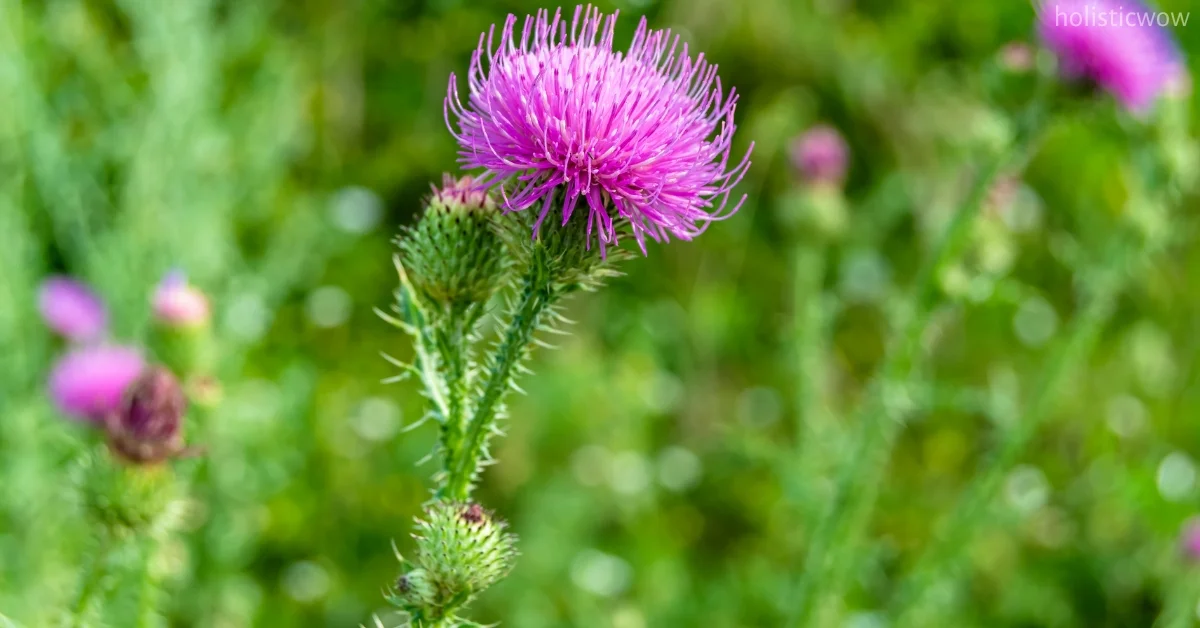
Milk thistle, or Silybum marianum, is a flowering plant from the daisy family that naturally grows in Mediterranean regions.
The seeds are the part used for health purposes, as they are packed with beneficial compounds.
The seeds contain silymarin, a group of bioflavonoids that includes silybin, silychristin, and silydianin.
These compounds are known for their antioxidant and anti-inflammatory properties and may help protect liver cells from damage and have shown some potential in supporting healthy blood sugar levels, though more research is needed.
Milk thistle is commonly used as an herbal supplement or dietary supplement to promote liver health and overall wellness, supporting the body’s natural detoxification processes and contributing to improved cellular function.
What Are the Benefits of Milk Thistle?
Milk thistle offers several potential benefits, primarily due to silymarin, its key active compound.
The most well-known advantage is liver protection, as silymarin may help protect liver cells from damage caused by toxins and support their repair, according to some clinical studies.
Milk thistle may also support people with type 2 diabetes by possibly aiding with blood sugar control and may improve insulin sensitivity, making it a possible aid in diabetes management.
In addition, early research suggests that milk thistle may offer other benefits, including neuroprotective effects, support for bone health, and potential improvements in breast milk production and acne treatment.
Regular use of milk thistle supplements may help reduce oxidative stress in the body, promote better metabolic function, and contribute to the maintenance of healthy skin.
However, these additional effects are not well established, and more high-quality studies are needed to confirm them.
How Does Milk Thistle Protect the Liver?
Milk thistle protects the liver mainly through the action of silymarin, its primary bioflavonoid compound.
Silymarin helps stabilize liver cell membranes, making it harder for toxins to enter and damage these cells.
It may also support liver protection by promoting liver cell regeneration, which could aid recovery from certain liver disorders such as hepatitis B and nonalcoholic fatty liver disease (NAFLD). However, evidence is mixed, and milk thistle should not be considered a primary treatment for these conditions.
These protective effects help support overall liver function by reducing the risk of further cell damage from ongoing exposure to harmful substances.
By enhancing the liver’s natural detoxification processes and aiding tissue repair, milk thistle contributes to better liver health and resilience in the face of environmental toxins.
Does Milk Thistle Have Antioxidant and Anti-inflammatory Effects?
Milk thistle contains silymarin, a group of bioflavonoids known for their antioxidant and potential anti-inflammatory effects.
Silymarin may help protect cells from oxidative stress, which can reduce cell damage caused by free radicals.
By neutralizing reactive oxygen species, milk thistle plays a role in supporting the body’s overall antioxidant defenses.
These antioxidant effects and anti-inflammatory properties may support overall health and could potentially benefit conditions linked to inflammation, such as certain skin conditions, including acne.
In addition, by reducing cellular inflammation, milk thistle may help alleviate chronic inflammation and improve immune system balance.
While more research is needed, early studies suggest that silymarin’s ability to reduce oxidative stress and inflammation may play a role in promoting healthier skin and supporting liver function.
Can Milk Thistle Help with Blood Sugar Control?
Milk thistle may help with blood sugar control, particularly in people with type 2 diabetes.
The active compound, silymarin, has shown some promise in lowering blood sugar and improving insulin resistance in small studies, though more research is needed to confirm how effective it is for diabetes management.
By supporting healthier blood sugar levels, milk thistle may contribute to improved metabolic regulation and help reduce the risk of diabetes-related complications.
These beneficial effects on glucose metabolism suggest a positive role for milk thistle in overall diabetes prevention strategies.
What Are the Uses of Milk Thistle in Treating Health Conditions?
Milk thistle is primarily used to support liver health and may help manage liver disorders such as cirrhosis and nonalcoholic fatty liver disease (NAFLD).
It may also help reduce liver-related symptoms caused by toxins or certain medications, although results can vary depending on the condition.
In addition to liver support, milk thistle may aid with indigestion and could potentially help regulate blood sugar levels.
Some early research also suggests it might support kidney health and help ease certain menopause symptoms, but more studies are needed to confirm these effects.
By providing multi-system support, milk thistle can play a role in promoting digestive health and maintaining the body’s natural balance during life transitions.
How Should Milk Thistle Be Taken?
Milk thistle is commonly taken orally in various forms.
Standard options include capsules, tablets, and liquid extracts, and these products typically specify the amount of silymarin, the primary active compound from Silybum marianum.
Dosing can vary, but typical daily amounts in research studies range from about 200 mg to 600 mg of silymarin.
It’s important to follow the dosing instructions on the product label or those provided by your healthcare provider to ensure both effectiveness and safety.
Consistent, proper use can help maximize milk thistle’s benefits for liver support and antioxidant protection while minimizing the risk of side effects.
If you’re considering milk thistle, especially for liver support or other health reasons, it’s a good idea to talk with your healthcare provider first to make sure it’s appropriate for your needs.
What Are the Side Effects of Milk Thistle?
Milk thistle (Silybum marianum) is generally considered safe as a dietary supplement and herbal remedy when used at recommended doses.
Most side effects are mild and primarily involve digestive symptoms, such as gastrointestinal issues like diarrhea, bloating, or nausea.
For most people, these side effects are temporary and resolve with continued use or dose adjustment.
Although uncommon, allergic reactions may occur, especially in people who are sensitive to plants in the same family, such as ragweed, daisies, or marigolds.
Overall, milk thistle has a good safety profile for most people, but it’s always a good idea to talk with your healthcare provider before starting any new supplement.
By using milk thistle as directed, individuals can generally expect a low risk of serious side effects while gaining potential digestive and liver health support.
Can Milk Thistle Interact with Medications?
Milk thistle can interact with certain medications, especially those processed by the liver.
This happens because silymarin compounds in milk thistle may affect how the liver breaks down some drugs by influencing cytochrome P450 enzymes, potentially increasing or decreasing their effectiveness.
These drug interactions are particularly important for people taking medications such as anticoagulants (blood thinners), certain cancer treatments, or diabetes medications.
Carefully managing the use of milk thistle can help avoid negative drug interactions and preserve medication effectiveness, which is essential for maintaining safe treatment outcomes.
Because of these possible interactions with prescription drugs, consult your healthcare provider before starting milk thistle, especially if you take any regular medications.
Is Milk Thistle Safe for Everyone?
Milk thistle (Silybum marianum) is generally safe for most healthy adults when used as a dietary or herbal supplement at recommended doses, but it is not appropriate for everyone.
Some people may experience mild side effects or allergic reactions, especially those who are allergic to plants in the same family, such as ragweed, daisies, or marigolds.
If you have known plant allergies, it’s important to take precautions and talk with your healthcare provider before using milk thistle.
Safety during pregnancy and breastfeeding has not been well studied, so women who are pregnant or breastfeeding should consult their healthcare provider before taking milk thistle.
People with certain medical conditions or those taking prescription medications should also check with a healthcare provider to avoid potential interactions.
As with any supplement, it’s best to use milk thistle under the guidance of a healthcare provider to ensure it’s safe and appropriate for your individual health needs, while maximizing the potential benefits for liver and overall health.
Herbal Preparations and Recipes for Liver Health
Herbal remedies can support liver health by utilizing the protective and regenerative properties of specific herbs. Milk thistle is well-known for its liver-supporting benefits, particularly due to its active compound, silymarin. The following recipes focus on promoting liver health and detoxification.
Always consult a healthcare provider before starting any new herbal regimen, especially if you have existing health conditions or are taking medications.
Milk Thistle Infusion
Ingredients:
- 1 teaspoon dried milk thistle seeds
- 1 cup boiling water
Preparation:
- Place the dried milk thistle seeds in a teapot or heatproof container.
- Pour boiling water over the seeds.
- Cover and steep for 10–15 minutes.
- Strain and drink while warm.
Drink 1–2 cups daily to support ongoing liver health.
This infusion harnesses the liver-protective properties of milk thistle, providing gentle daily support for liver function and detoxification.
Warnings: Milk thistle may interact with certain medications, especially those processed through the liver. Rarely, it may cause gastrointestinal upset or allergic reactions. Consult a healthcare provider before use if you have liver disease, are pregnant or breastfeeding, or are taking medications.
Liver Support Herbal Blend
Ingredients:
- 1 teaspoon dried milk thistle seeds
- 1 teaspoon dried dandelion root
- ½ teaspoon dried burdock root
- ½ teaspoon dried peppermint leaves
- 1 cup boiling water
Preparation:
- Combine all the dried herbs in a teapot.
- Add boiling water over the herb mixture.
- Cover and steep for 15 minutes.
- Strain and drink warm.
Drink 1 cup, 1–2 times daily to promote ongoing liver and digestive health.
This blend combines herbs traditionally used to support liver function and detoxification while easing digestion, making it a nourishing daily tonic for overall liver well-being.
Warnings: Milk thistle, dandelion root, and burdock root may each interact with certain medications, such as blood thinners, diuretics, and drugs processed by the liver. Dandelion and burdock root may cause allergic reactions in sensitive individuals. Peppermint may worsen symptoms in those with acid reflux. Consult a healthcare provider before use if you are pregnant, breastfeeding, have known allergies, liver or kidney disease, or are taking medications.
These recipes are designed to support liver health through their protective and detoxifying properties. However, they are not a substitute for conventional medical treatment. Always consult a healthcare provider before starting any new herbal regimen, especially if you have health conditions or take medications.