
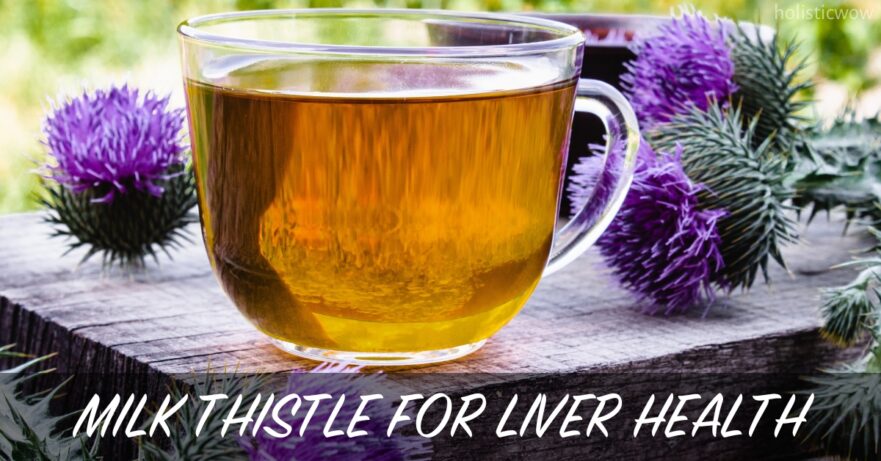
Milk thistle is a popular herbal remedy believed to support liver health by protecting liver cells from damage and aiding detoxification, thanks to its main active compound, silymarin. While many people use milk thistle for liver issues, scientific evidence on its effectiveness is still evolving and it’s important to consult a healthcare provider before use.
Key Takeaways
- 🌱 Natural Liver Support: Milk thistle contains silymarin, a natural compound that acts as an antioxidant and anti-inflammatory, helping protect and support the liver’s health, making it especially useful for those exposed to toxins or wanting to boost liver function.
- 🛡️ Helps the Liver Detox and Recover: This herb supports the liver’s natural detoxification process by promoting liver cell repair and protecting against damage from toxins, alcohol, or medications, offering an extra shield for your body’s filter system.
- ⚠️ Safety First, Especially with Medications: While milk thistle is generally safe, it can interact with certain prescriptions and may cause mild side effects (like tummy upset or allergies), so always talk to your doctor before adding it to your routine—particularly if you take medications or have existing health conditions.
- 🏠 Easy Home Remedies Available: Simple infusions or herbal blends with milk thistle can be made at home to gently support liver wellness, but these should only be a complement to medical advice and not a replacement for prescribed treatments, especially for serious liver issues.
What Is Milk Thistle and How Does It Benefit the Liver?
Milk thistle (Silybum marianum) is a flowering herb known for its large prickly leaves and distinctive white veins.
The seeds of milk thistle contain silymarin, a group of plant compounds with antioxidant and anti-inflammatory properties that promote liver protection.
Silymarin may help protect the liver by neutralizing free radicals and reducing oxidative stress, two processes central to preserving liver cell health.
These effects can help limit liver cell damage caused by toxins, alcohol, and environmental chemicals, making milk thistle a valuable tool for those seeking to support liver health.
Milk thistle is commonly used as an herbal remedy to support liver function and may contribute to better liver enzyme levels.
While more research is needed, studies suggest it may offer a cytoprotectant effect—helping to shield liver cells from harm and enhancing the organ’s resilience to everyday toxic exposures.
What Are the Hepatoprotective Properties of Milk Thistle?
Milk thistle is well known for its hepatoprotective properties, meaning it may help protect the liver from damage and foster overall liver wellness.
The key compound responsible for these effects is silymarin, which is linked to supporting regeneration of liver tissue.
Silymarin acts as a powerful antioxidant and anti-inflammatory agent, helping to prevent injury from oxidative stress.
It may help reduce liver inflammation, support liver cell regeneration, and serve as a cytoprotectant—helping shield liver cells from harmful substances like environmental toxins and free radicals.
By strengthening your liver’s response to ongoing stress, milk thistle may contribute to improved metabolic function.
Although data are mixed, these combined actions suggest that milk thistle could potentially support overall liver health and function.
How Does Milk Thistle Protect the Liver from Damage?
Milk thistle may help protect the liver from damage primarily due to its main active compound, silymarin, known for promoting liver defense mechanisms.
Silymarin acts as a powerful antioxidant, helping to neutralize free radicals that can harm liver cells from toxins, alcohol, or environmental chemicals.
It also supports liver protection by reducing oxidative stress and inflammation, which are key contributors to liver damage and chronic liver conditions.
In addition, silymarin may help maintain healthy liver function by supporting the liver’s natural detoxification processes and promoting liver cell repair, which is crucial for long-term vitality.
These conclusions are based on preclinical laboratory and animal studies, and while early evidence is encouraging, further human studies are needed.
How Does Milk Thistle Assist in Detoxifying the Liver?
Milk thistle may assist in liver detoxification by supporting liver cell regeneration and helping the liver process and eliminate toxins more effectively, thus enhancing the efficiency of the body’s natural detoxification pathways.
Its active compound, silymarin, acts as a powerful antioxidant, helping to protect liver cells from damage during toxin breakdown and enabling faster recovery from toxin exposure.
This cytoprotectant effect supports overall liver function and may contribute to better liver health over time, giving the liver greater resilience against environmental challenges.
The use of milk thistle for detoxification is especially relevant for individuals who are seeking to optimize liver function and overall wellness.
What Are the Antioxidant and Anti-inflammatory Benefits of Milk Thistle?
Milk thistle offers antioxidant and anti-inflammatory support for liver health, primarily through its active compound, silymarin.
Silymarin may help neutralize free radicals, which can reduce oxidative stress in the liver and support the protection of liver cells from damage, possibly slowing progression of liver disease.
It also appears to lower the production of certain inflammatory molecules, which could potentially help reduce liver inflammation and promote overall liver health by lessening symptoms of chronic diseases.
By reducing both oxidative damage and inflammation, milk thistle may foster a healthier liver environment and preserve healthy liver tissue.
Can Milk Thistle Help with Liver Diseases Like Hepatitis and Cirrhosis?
Milk thistle, rich in silymarin, is widely recognized as an herbal remedy that may help support liver health in conditions such as hepatitis and cirrhosis by helping stabilize liver cells.
Some clinical studies suggest that milk thistle could potentially support liver function and reduce liver inflammation in people with liver disease, possibly improving quality of life for affected individuals.
By reducing markers of liver cell injury, milk thistle may support healthier liver enzymes in these populations.
However, evidence on milk thistle’s efficacy in treating chronic liver diseases like hepatitis and cirrhosis is mixed, and more high-quality research is needed to confirm its benefits.
Milk thistle should not be considered a replacement for standard medical therapy for these conditions.
Is Milk Thistle Effective for Non-Alcoholic Fatty Liver Disease?
Milk thistle’s effectiveness for non-alcoholic fatty liver disease (NAFLD) is still being studied.
Some clinical studies suggest that silymarin, the active compound in milk thistle, may help improve liver function and potentially reduce fat buildup in the liver, which can help limit progression of NAFLD.
This effect on fat accumulation could result in healthier liver histology for some individuals.
However, the overall evidence remains inconclusive, and more research is needed to confirm its efficacy as a supportive measure for NAFLD.
It should not be used as a substitute for proven treatments or lifestyle modifications in NAFLD.
What Role Does Milk Thistle Play in Managing Jaundice and Liver Inflammation?
Milk thistle may help manage jaundice and liver inflammation by supporting overall liver health and function, and by aiding in recovery from liver injury.
Its active compound, silymarin, has antioxidant and anti-inflammatory properties that may help protect liver cells and reduce inflammation, both key mechanisms involved in jaundice relief.
This could potentially assist in relieving symptoms associated with various liver conditions, including jaundice, and may support faster recovery of liver enzyme levels.
However, there is limited direct evidence that milk thistle treats jaundice itself, and it should not replace medical evaluation or care.
What Do Clinical Studies Say About Milk Thistle’s Effectiveness?
Clinical studies on milk thistle show mixed results regarding its effectiveness for liver health.
Some research suggests that milk thistle may help protect liver cells, reduce inflammation, or improve certain liver function markers in specific cases, indicating a notable effect on liver health for some populations.
For individuals with specific liver challenges, these benefits may include reduced oxidative damage and potential slowing of disease progression.
However, while these findings are promising, more large-scale and well-designed studies are needed to confirm its overall efficacy.
Milk thistle continues to be a subject of ongoing research, and its potential role in supporting liver health remains of interest to both scientists and healthcare providers.
What Are the Recommended Doses and Safety Concerns of Milk Thistle?
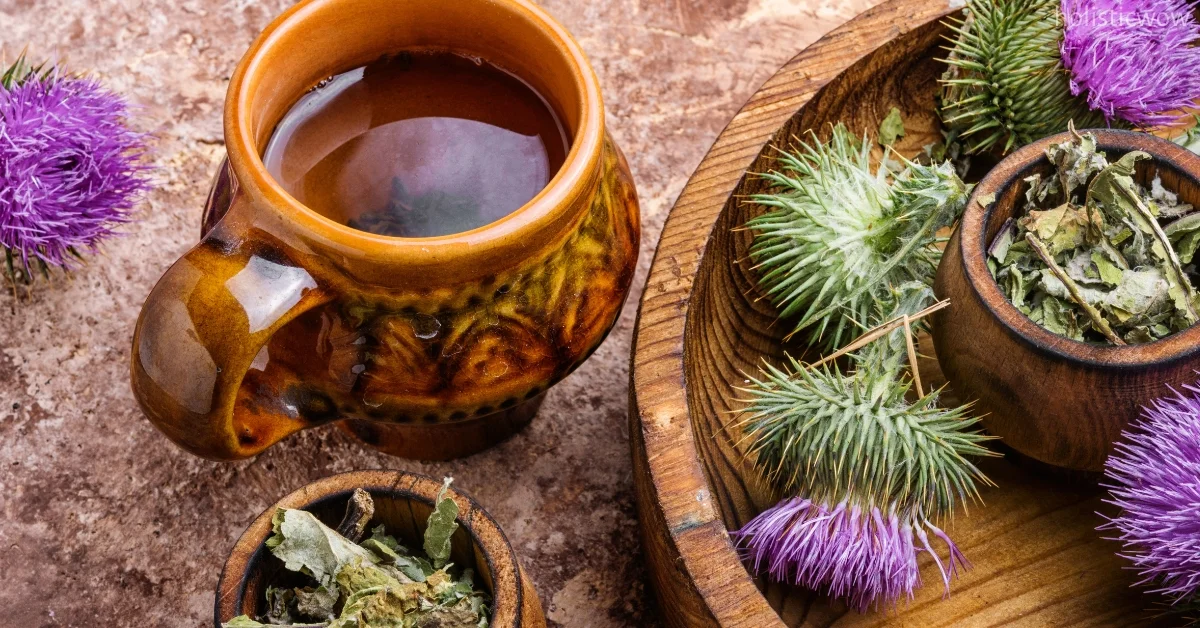
Milk thistle is an herbal supplement available in several forms, including capsules, tablets, liquid extracts, and tea.
The active ingredient, silymarin, is thought to have antioxidant and anti-inflammatory properties that may provide broad safety benefits for many users.
The recommended doses typically range from 250 mg to 750 mg per day, usually taken by mouth and divided into 2 to 3 doses throughout the day.
However, it’s important to talk with a healthcare provider before starting milk thistle, especially if you have underlying health conditions or are taking medications, as this can help prevent unwanted side effects.
While milk thistle is generally well tolerated, safety concerns may include mild side effects like stomach upset, diarrhea, or allergic reactions.
People with diabetes should use caution, as milk thistle may affect blood sugar levels and could interact with diabetes medications.
There is also some evidence suggesting that milk thistle may have weak estrogenic effects, so individuals with hormone-sensitive conditions should discuss use with their healthcare provider.
Always consult your doctor to ensure it’s safe and appropriate for your individual needs.
What Are the Potential Side Effects of Milk Thistle?
Potential side effects of milk thistle may include mild gastrointestinal distress, such as diarrhea, constipation, nausea, vomiting, heartburn, or abdominal bloating.
Occasionally, users may experience increased gas or loose stools as part of these gastrointestinal symptoms.
An allergic reaction is also possible, particularly in individuals who are allergic to plants in the Asteraceae family, which includes ragweed, daisies, and marigolds.
While milk thistle is generally considered safe for most people, it’s a good idea to monitor for any side effects—especially if you have allergies or underlying health conditions.
Other rare side effects may include headache or itchiness, but these are uncommon and tend to be mild.
How Does Milk Thistle Interact with Other Medications?
Milk thistle can interact with other medications because its active compound, silymarin, influences how certain drugs are metabolized in the body, which is especially important if you are taking blood thinners, heart medications, or certain psychiatric drugs.
This is mainly due to its effects on the cytochrome P450 enzyme system, which plays a key role in processing many medications and ensuring proper drug-drug interactions.
These drug-drug interactions may affect the safety and effectiveness of certain prescriptions, including diabetes medications and blood thinners like warfarin, possibly increasing your risk of side effects.
Milk thistle may also alter the effects of medications such as statins, antipsychotics, and immunosuppressants, which makes consulting your provider crucial for those on long-term medication regimens.
Because of this, it’s important to talk with your healthcare provider before using milk thistle, especially if you take medications that rely on cytochrome P450 enzymes.
With proper guidance, milk thistle may be used safely, but careful monitoring is essential to help avoid unwanted side effects or reduced medication effectiveness.
How Does Milk Thistle Influence Blood Sugar Levels and Insulin Resistance?
Milk thistle may help lower blood sugar levels in individuals with type 2 diabetes, which may contribute to improved metabolic control.
Some clinical studies suggest that taking silymarin, the active compound in milk thistle, could potentially lead to modest improvements in fasting blood sugar and HbA1c levels, reflecting better long-term glucose regulation.
There is also some evidence that milk thistle may support insulin sensitivity and help reduce insulin resistance, which could benefit those at risk for metabolic syndrome.
However, more high-quality research is needed to better understand its efficacy and how it works in managing blood sugar levels and insulin resistance.
While early findings are promising, milk thistle should not replace standard diabetes treatments.
Always talk to your healthcare provider before starting any new supplement.
Can Milk Thistle Be Used as a Complementary Therapy for Cancer Treatments?
Milk thistle is being studied for its potential role as a complementary therapy in cancer treatment, with a focus on protecting liver cells during chemotherapy.
Some research suggests that silymarin, the active compound in milk thistle, may help support liver function and protect liver cells during chemotherapy and other cancer therapies, offering possible relief from drug-induced liver injury.
By limiting chemotherapy-related liver toxicity, milk thistle could help patients maintain higher quality of life, though these findings are still preliminary.
While early findings are promising, the current evidence is not yet strong enough to recommend milk thistle as a standard complementary therapy for cancer.
More studies are needed to better understand its efficacy and safety when used alongside conventional cancer treatments.
How Is Milk Thistle Used in Cases of Mushroom Poisoning?
Milk thistle is sometimes included as supportive care in cases of mushroom poisoning, particularly with Amanita phalloides (death cap mushroom), due to its remarkable hepatoprotective actions.
The active compound, silymarin, is believed to have hepatoprotective properties and may help protect the liver by reducing the uptake of toxic mushroom metabolites into liver cells and limiting liver damage, which is essential in acute poisonings.
While milk thistle may offer some liver protection, its efficacy as a standalone treatment remains unproven.
It should always be used alongside standard medical care in cases of mushroom poisoning.
The mainstay of treatment for severe mushroom poisoning remains prompt emergency medical attention and supportive care, sometimes using intravenous preparations of silibinin (a component of silymarin) in hospital settings.
Milk thistle supplements sold over the counter should not be used in place of standard care.
Herbal Preparations and Recipes for Liver Health
Herbal remedies can support liver health by utilizing the protective and regenerative properties of specific herbs. The following recipes focus on milk thistle, known for its ability to promote liver function and protect against damage.
Always consult a healthcare provider before starting any new herbal regimen, especially if you have existing health conditions or are taking medications.
Milk Thistle Infusion
Ingredients:
- 1 teaspoon dried milk thistle seeds
- 1 cup boiling water
Preparation:
- Place the dried milk thistle seeds in a teapot or heatproof container.
- Pour boiling water over the seeds.
- Cover and steep for 10–15 minutes.
- Strain and drink warm.
Drink 1–2 cups daily to help support overall liver health and function.
This infusion may assist in protecting the liver against everyday toxins and gently promoting liver regeneration and wellness.
Warnings: Milk thistle may interact with certain medications, including those metabolized by the liver. If you are pregnant, breastfeeding, have a known allergy to plants in the daisy family, or are taking prescription medications, consult your healthcare provider before using this remedy.
Liver Support Herbal Blend
Ingredients:
- 1 teaspoon dried milk thistle seeds
- 1 teaspoon dried dandelion root
- ½ teaspoon dried burdock root
- ½ teaspoon dried peppermint leaves
- 1 cup boiling water
Preparation:
- Combine all the dried herbs in a teapot or infuser.
- Pour boiling water over the herbs.
- Cover and steep for 15 minutes.
- Strain and drink warm.
Drink 1 cup 1–2 times daily as part of a gentle routine to support healthy liver function.
This herbal blend combines liver-supportive herbs and gentle digestive aids to promote detoxification, healthy bile flow, and overall wellness.
Warnings: Milk thistle, dandelion, and burdock root may interact with medications, especially those affecting the liver, blood sugar, or fluid balance. Dandelion and chamomile may cause allergic reactions in those sensitive to the daisy family. If you are pregnant, breastfeeding, taking prescription medication, or have a history of allergies, consult your healthcare provider before use.
These herbal preparations are intended to complement, not replace, conventional approaches to liver health. Consult your healthcare provider before use, especially if you have health conditions or take medications.