
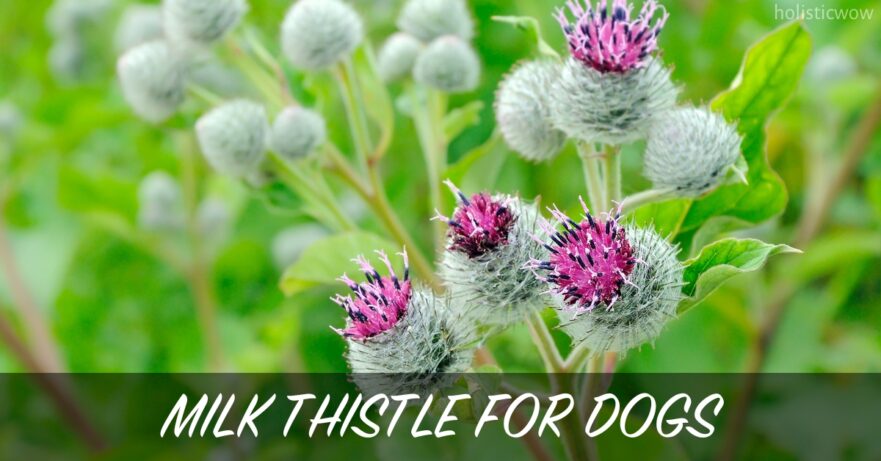
Milk thistle for dogs is a natural herbal supplement known for supporting liver health, aiding detoxification, and promoting overall wellness in dogs—especially those with liver or kidney issues. Used under veterinary guidance, it can help protect vital organs and improve quality of life for your furry companion.
Key Takeaways
- 🛡️ Natural Liver Protection: Milk thistle, especially its main ingredient silymarin, can help protect your dog’s liver from toxins and support the repair of liver cells, making it a valuable option if your dog’s liver health needs extra care.
- 🌱 Safe Supplement with Veterinary Guidance: While milk thistle is generally safe for most dogs, every dog’s needs are different—so it’s best to consult your veterinarian to ensure the right dose and prevent possible side effects or medication interactions.
- ✨ Boosts Overall Vitality: By supporting the liver, milk thistle may improve your dog’s energy, digestion, and overall wellness, helping them feel their best as part of a daily health routine under professional supervision.
- 🐶 Easy to Use in Daily Care: Milk thistle supplements come in various forms (like chews, powders, or liquids) and can be added to your dog’s food, but always follow your vet’s advice on how and how much to give for safe and effective results.
What Is Milk Thistle for Dogs?
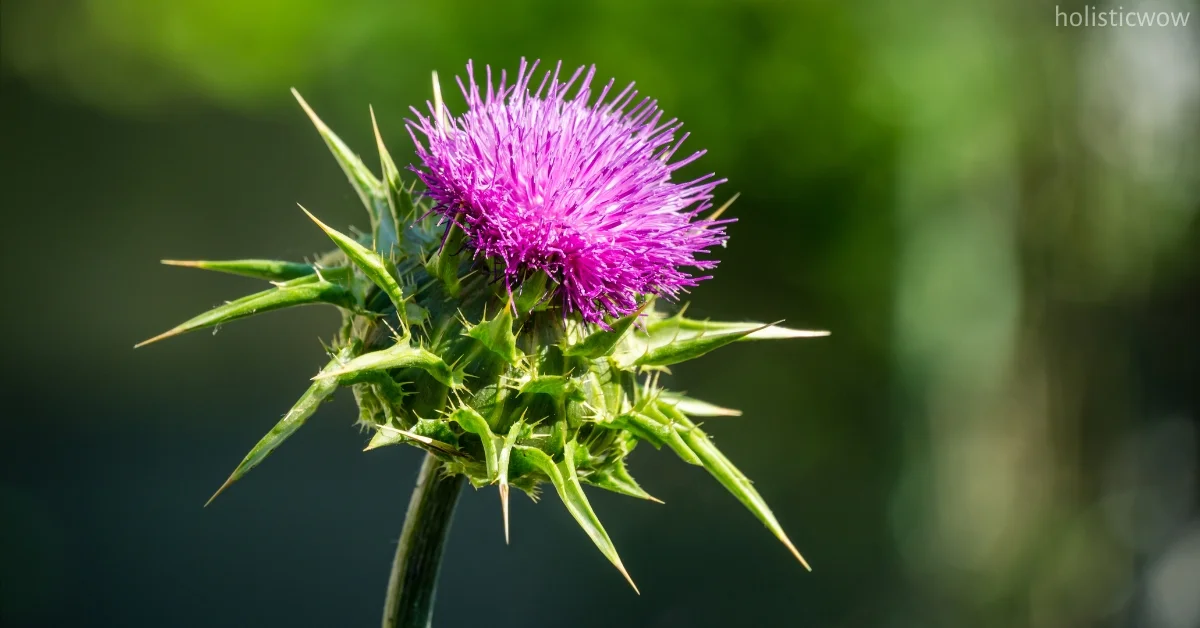
Milk thistle for dogs is an herbal supplement derived from the plant Silybum marianum.
This supplement is commonly used to support liver health, assist with liver detoxification, and help maintain proper liver function in dogs.
The primary ingredient is organic milk thistle, which contains silymarin as its active compound.
Studies suggest silymarin has antioxidant properties, may help protect liver cells from damage, and might support the regeneration of healthy liver tissue, but more research is needed to confirm these effects in dogs.
Many pet owners choose milk thistle for dogs to provide natural liver protection, assist with liver cell repair, and contribute to your dog’s overall wellness and vitality.
What Are the Active Ingredients in Milk Thistle for Dogs?
The main active ingredient in milk thistle for dogs is silymarin.
Silymarin is a group of natural compounds extracted from the Silybum marianum plant, known for its liver-supporting and potential hepatoprotective (liver-protecting) properties.
Silymarin acts as an antioxidant and may help stabilize liver cell membranes, which can support detoxification and promote healthy liver function.
By reducing oxidative stress, silymarin helps minimize liver cell injury and encourages the body’s natural healing processes.
In some liver supplements for dogs, milk thistle is combined with other natural ingredients—such as artichoke leaf extract, turmeric, vitamins, and minerals—that may further enhance liver support.
The inclusion of these natural antioxidants and synergistic compounds strengthens the supplement’s overall liver support benefits.
What Are the Benefits of Milk Thistle for Dogs?
The benefits of milk thistle for dogs may include supporting normal liver detoxification, helping to maintain healthy levels of glutathione, and promoting the production of SAMe, which is important for liver function.
In addition, milk thistle has antioxidant properties that may help protect liver cells from damage and support the body’s natural detoxification processes, contributing to overall liver health.
Its use can lead to enhanced metabolic function, improved removal of toxins, and reduced oxidative damage within the liver.
How Does Milk Thistle Support Liver Health in Dogs?
Milk thistle for dogs may help support liver health by assisting the liver in processing and neutralizing toxins, converting them into less harmful substances.
Its main active compound, silymarin, acts as a powerful antioxidant and may help protect liver cells from damage caused by toxins, medications, and other harmful substances.
Silymarin also supports normal liver detoxification processes and helps maintain healthy levels of glutathione—an important antioxidant that plays a key role in overall liver function.
This ongoing liver support can result in greater resilience to environmental stressors, improved enzyme activity, and increased energy levels in dogs.
How Does Milk Thistle Detoxify the Liver and Kidneys?
Milk thistle supports liver detoxification by helping the liver process and break down toxins into less harmful substances.
Silymarin, its main active ingredient, may enhance the liver’s ability to excrete these compounds, which can help limit toxin buildup and protect liver cells.
There is no direct evidence that milk thistle detoxifies the kidneys.
Its primary benefit is supporting liver function, which may indirectly benefit overall detoxification, including some support to kidney health by reducing the toxic burden on the body.
By helping the liver effectively flush out toxins, milk thistle can minimize stress on other organs and contribute to more robust systemic detoxification.
How Does Milk Thistle Benefit Dogs with Chronic Liver Disease?
For dogs with chronic liver disease, milk thistle may help support liver function and promote natural detoxification.
Its main active compound, silymarin, has been shown to increase healthy levels of SAMe and glutathione—important substances that support liver cell repair and help protect against oxidative stress.
This type of liver support may assist the liver in processing toxins more effectively and could potentially aid in the regeneration of damaged liver tissue, contributing to overall liver health.
However, while some studies in animals are promising, evidence in dogs is still limited, and milk thistle should not replace any prescribed treatment.
Dogs with chronic liver issues may experience improved appetite, better energy, and more stable liver enzymes when receiving ongoing liver support.
What Role Does Milk Thistle Play in Supporting Long-Term Wellness in Dogs?
Milk thistle for dogs may support long-term wellness by promoting liver health, which is essential for detoxification and nutrient metabolism.
The liver helps remove toxins, process nutrients, and produce important compounds that contribute to your dog’s overall health.
Supporting a healthy liver can improve digestive efficiency, support immune defense, and prolong your dog’s quality of life.
By helping to maintain a healthy liver, milk thistle could potentially support your dog’s vitality and longevity, making it a valuable supplement for the long-term wellness of companion animals.
However, ongoing wellness in dogs depends on many factors, and supplements like milk thistle should always be used under veterinary supervision.
Is Milk Thistle Suitable for All Dog Breeds and Sizes?
Milk thistle is generally suitable for all breeds and dog sizes, but the appropriate dosage depends on your dog’s weight and specific health conditions.
Because each dog is different, veterinary guidance is important to determine the right dosage and ensure safe use.
Using milk thistle correctly can help tailor liver support to your pet’s unique needs, ensuring maximum effectiveness and minimized risk of side effects.
How Should Milk Thistle Be Administered to Dogs?
Milk thistle for dogs can be given in chews, capsules, powders, or as a liquid supplement.
It’s best to follow administration guidelines provided by your veterinarian to ensure proper dosage and safety.
Giving milk thistle with food may help improve absorption and reduce the chance of stomach upset.
This method can boost the supplement’s bioavailability and effectiveness for liver support.
A veterinary consultation is recommended before starting any supplement to make sure it’s appropriate for your dog’s specific needs.
What Is the Recommended Dosage of Milk Thistle for Dogs?
The recommended dosage of milk thistle for dogs depends on your dog’s weight, the form of the supplement, and the amount of silymarin it contains.
Because these factors can vary, it’s important to follow the administration guidelines provided by the manufacturer or seek veterinary guidance to ensure safe and effective use.
Milk thistle is commonly used as a liver supplement for dogs, and proper dosage is key to supporting liver health without causing side effects.
Accurate dosing ensures your dog receives optimal support for detoxification and avoids unnecessary gastrointestinal upset.
Your veterinarian can help determine the most appropriate dosage based on your dog’s specific needs and health status.
Are There Any Side Effects of Milk Thistle for Dogs?
Milk thistle for dogs is generally safe and well-tolerated when given at recommended dosages.
However, some dogs may experience mild side effects, most commonly gastrointestinal upset, such as diarrhea or loose stools.
In rare cases, allergic reactions like itching or swelling may occur.
It’s important to keep an eye on your dog for any unusual symptoms and consult your veterinarian if you notice anything concerning.
Prompt response to side effects can help ensure continued safety, facilitate rapid recovery, and maintain your dog’s overall well-being.
As with any supplement, veterinary monitoring is recommended to ensure safety and to help manage any potential side effects.
Can Milk Thistle Be Used with Other Treatments?
Milk thistle for dogs may often be used alongside other treatments, including prescription medications, herbal therapy, and dietary supplements for liver support.
However, it’s important to be aware of potential drug interactions.
Combining milk thistle with other treatments can offer synergistic liver support and enhance your dog’s treatment outcomes when monitored carefully.
To ensure safety and effectiveness, always seek a veterinary consultation before combining milk thistle with any other medications or supplements.
What Should You Consider When Choosing a Milk Thistle Supplement for Your Dog?
When choosing a supplement like milk thistle for your dog, it’s important to consider several key factors.
Look for a veterinary-formulated herbal supplement made with high-quality ingredients to help ensure safety and effectiveness.
The main active compound should be silymarin, which is derived from milk thistle and may help support liver function.
Choosing a product made from organic milk thistle can be beneficial, but the overall quality and formulation matter most.
A high-quality supplement can help ensure consistent dosing, reliable liver detox support, and maximum health benefits for your pet.
Because every dog is different—especially those with existing dog diseases or on other medications—consulting your veterinarian is essential to determine if milk thistle is appropriate and to guide proper dosing.
Should You Consult a Veterinarian Before Giving Milk Thistle to Your Dog?
Always seek a veterinary consultation before giving milk thistle to your dog.
Veterinary guidance is important to ensure the safety and appropriateness of this supplement based on your dog’s specific health conditions, current medications, and medical history.
An informed approach can help avoid interactions, ensure safety, and promote the best possible health outcomes.
This helps prevent potential interactions and ensures that milk thistle is used effectively as part of your dog’s overall care plan.
Herbal Preparations and Recipes for Liver Health in Dogs
Herbal remedies can support liver health in dogs, particularly through the properties of milk thistle, which is well-known for its ability to protect liver cells and promote detoxification. The following recipes harness milk thistle and companion herbs to encourage good liver function and overall wellness in dogs.
Always consult a veterinarian before starting any new herbal regimen for your pet, especially if your dog has existing health issues or is taking medication.
Milk Thistle Liver Support Tincture
Ingredients:
- 1 cup dried milk thistle seeds
- 2 cups high-proof alcohol (such as vodka)
Preparation:
- Place the dried milk thistle seeds in a clean glass jar.
- Pour the high-proof alcohol over the seeds, ensuring they are fully submerged.
- Seal the jar tightly and store it in a cool, dark place for 4–6 weeks, shaking gently every few days.
- After steeping, strain the mixture through a fine mesh strainer or cheesecloth into a clean bottle.
Administer 1 drop per 10 pounds of body weight, mixed with your dog’s food, once daily. Continue as needed and consult your veterinarian for individualized recommendations based on your dog’s health status.
This tincture may help protect liver cells, support natural detoxification, and assist overall liver function, especially in dogs at risk of liver stress or after medication exposure.
Warnings: High-proof alcohol is potentially harmful to pets in large quantities; ensure correct dosing and always mix the tincture with food. Monitor your dog for any signs of digestive upset or allergic reaction, and discontinue use if any adverse effects occur. Consult your veterinarian before starting or adjusting this preparation, particularly for dogs with existing health conditions or those taking medication.
Liver Support Herbal Blend
Ingredients:
- 1 teaspoon dried milk thistle seeds
- ½ teaspoon dried dandelion root
- ½ teaspoon dried burdock root
- ½ teaspoon dried chamomile flowers
- 1 cup boiling water
Preparation:
- Combine milk thistle seeds, dandelion root, burdock root, and chamomile flowers in a teapot or heatproof container.
- Pour boiling water over the herbs and cover. Steep for 15 minutes.
- Strain the tea and allow it to cool fully before serving to your dog.
Offer 1 tablespoon of the cooled herbal tea per 10 pounds of body weight, mixed with your dog’s food, once daily. Adjust the amount as needed based on your dog’s size and health, with guidance from your veterinarian.
This calming herbal blend may help support liver detoxification, soothe mild digestive upset, and promote comfort during periods of increased liver strain or after illness.
Warnings: Monitor for possible allergic reactions or stomach upset, especially when introducing new herbs. Herbs like chamomile may cause sensitivities in some dogs, especially those allergic to plants in the daisy family. Discontinue use and seek veterinary advice if your dog experiences vomiting, diarrhea, itching, or other concerning symptoms. Always consult your veterinarian before starting any herbal supplement, particularly if your dog has existing health issues or takes prescription medication.
These herbal preparations are intended to support—not replace—professional veterinary care for your dog’s liver health. Always seek veterinary guidance when introducing herbal remedies.