
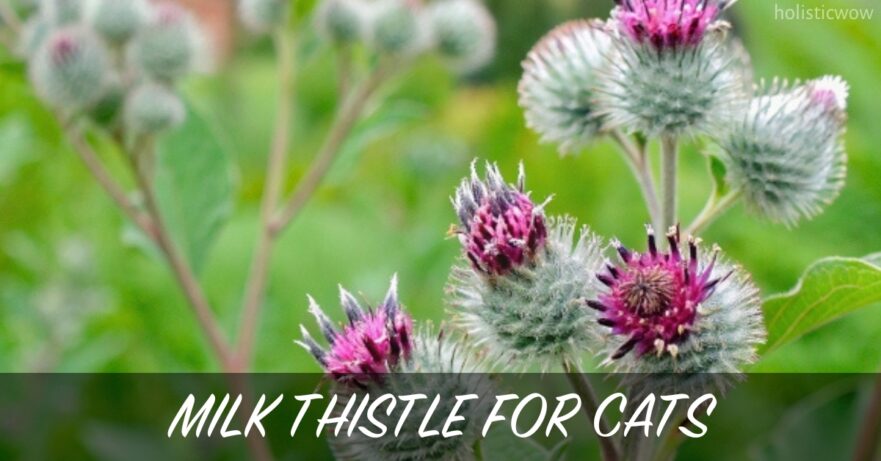
Milk thistle for cats is a natural herbal supplement widely used to support liver health and aid in detoxification, thanks to its active ingredient silymarin. Often recommended by veterinarians, it helps protect your cat’s liver from damage and may benefit cats with liver issues or those exposed to toxins.
Key Takeaways
- 🐱 Liver Support for Cats: Milk thistle is a gentle herbal supplement that helps support your cat’s liver health, especially if they have liver issues or are on medications that may affect liver function.
- 🛡️ Natural Detox and Protection: The main compound in milk thistle, silymarin, acts as a powerful antioxidant, helping to protect liver cells and improve the removal of toxins from your cat’s body.
- 💊 Safe Use with Vet Guidance: While milk thistle is generally safe, it’s important to consult your veterinarian for the right dosage and to check for possible medication interactions tailored to your cat’s specific needs.
- 🐈 Easy to Administer: Milk thistle can be given as a liquid, chew, or capsule, and is easily mixed with food for convenient daily use—just remember to monitor your cat for any side effects.
What Is Milk Thistle for Cats?
Milk thistle for cats is a natural supplement and herbal formula primarily used for liver support.
It contains silymarin, a plant compound known to help maintain normal liver detoxification processes and support healthy liver function.
Silymarin may help increase levels of glutathione, which acts as an important antioxidant, playing a key role in protecting liver cells and aiding in detoxification.
By supporting these processes, milk thistle can help the liver remove unwanted substances from your cat’s body more effectively, which may contribute to improved resilience against environmental toxins.
Organic milk thistle acts as a gentle, natural option to promote overall liver health in cats, especially those with liver concerns or those taking medications that may affect liver function.
This herbal supplement can also help sustain your cat’s overall vitality by maintaining healthy liver activity.
Why Do Veterinarians Recommend Milk Thistle for Cats?
Veterinarians recommend milk thistle for cats because it may help support liver function, aid in natural detoxification, and assist in the production of important compounds like SAMe and glutathione.
These compounds play a key role in protecting liver cells and supporting overall feline health by enhancing the antioxidant defense system.
Milk thistle is widely recognized under veterinary guidance as a holistic supplement that may benefit cats dealing with liver disease, exposure to toxins, hepatic lipidosis, or those receiving medications that can affect the liver.
Veterinary recommendations are often based on the supplement’s potential to support healthy liver function, improve normal detoxification, and promote overall well-being when used as part of an integrated veterinary care plan.
While more research is needed, its use is often based on clinical experience and its potential to support liver health in cats.
What Are the Benefits of Milk Thistle for Cats?
Milk thistle for cats may help support liver health and overall well-being, especially in pets with liver conditions such as hepatic lipidosis.
By promoting the production of important compounds like glutathione and SAMe, milk thistle can enhance detoxification pathways and help maintain healthy liver cells, contributing to improved metabolic function.
Its natural antioxidant properties may help protect the liver from oxidative stress, which can be especially beneficial in managing chronic liver issues and supporting longevity.
While limited research exists in cats, some evidence from animal studies suggests milk thistle may support cats undergoing treatment for liver conditions; however, direct evidence for its use in cats with liver cancer is lacking.
This herbal supplement can also bolster your pet’s resilience and recovery when facing liver challenges.
How Does Milk Thistle Support Liver Health in Cats?
Milk thistle for cats may help support liver health by acting as a natural liver protectant, promoting liver cell regeneration, and assisting with normal detoxification processes.
The active compound in milk thistle, silymarin, functions as a powerful antioxidant.
It helps neutralize harmful free radicals and may reduce oxidative stress on liver cells, thus maintaining optimal liver support.
This antioxidant activity can help protect liver cells from damage related to liver disease or toxin exposure, and may even enhance the liver’s functional capacity over time.
By offering antioxidant and detoxifying benefits, milk thistle serves as a gentle liver support supplement that could potentially aid cats with liver conditions and encourage healthy tissue renewal.
How Does Milk Thistle Aid in Detoxification?
Milk thistle may help with detoxification by supporting healthy liver function, which plays a key role in processing and removing toxins from the body.
The active compound in milk thistle, called silymarin, has antioxidant and anti-inflammatory properties that could potentially protect liver cells and support their ability to convert toxins into less harmful substances.
This protective activity strengthens the liver’s natural filtration system, helping the body to efficiently flush out toxins and maintain internal balance.
Once these toxins are processed, the body can more easily eliminate them, helping the liver carry out its natural detoxification functions more effectively and safeguarding overall feline health.
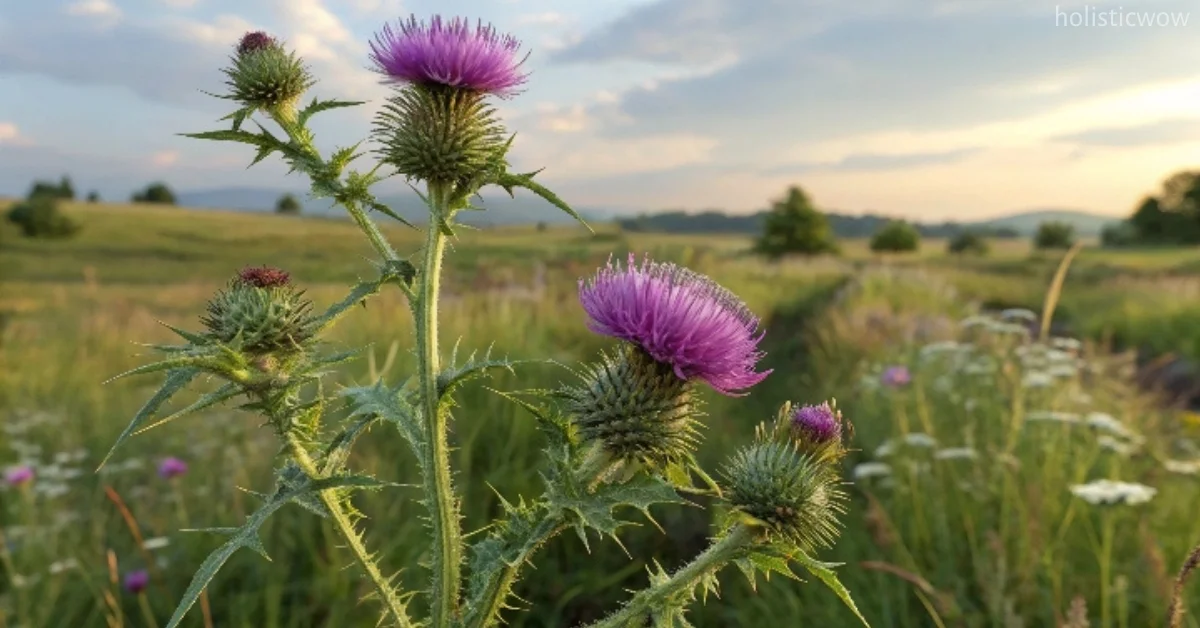
What Are the Antioxidant Properties of Milk Thistle?
Milk thistle has antioxidant properties that may help protect the liver from damage caused by oxidative stress.
These antioxidants can play a role in reducing the harmful effects of free radicals, which are unstable molecules that can contribute to liver cell injury and accelerate the progression of liver disease.
Silymarin, the main active compound in milk thistle, acts as a natural protectant by supporting the liver’s defenses against toxins and helping to stabilize liver cell membranes, thus promoting cellular resilience.
As part of herbal therapy, milk thistle may support overall liver health, especially in conditions involving liver dysfunction, and contribute to a more robust response to environmental or chemical stressors.
Can Milk Thistle Improve Skin and Kidney Health in Cats?
Milk thistle for cats is primarily valued for liver support.
Its antioxidant properties may help promote overall health and could potentially offer indirect benefits for skin health and kidney support by aiding in the elimination of harmful substances from the body.
By enhancing liver detoxification, milk thistle may contribute to a healthier skin barrier and reduce some toxin-related impacts on the kidneys.
However, while it is considered a natural supplement, current research offers limited direct evidence that milk thistle significantly improves skin or kidney health in cats, so targeted therapy should be discussed with your veterinarian.
Should Milk Thistle Be Used for Cats with Cancer?
Milk thistle may help support cats with cancer by promoting liver health, especially during treatment.
The active compound, silymarin, has antioxidant and anti-inflammatory properties that could potentially reduce oxidative stress and support the liver’s natural detoxification processes, which are often compromised during cancer therapy.
As a holistic supplement, milk thistle may be particularly helpful for cats with liver dysfunction or those undergoing treatments that affect liver function by helping maintain metabolic stability.
However, it’s important to seek veterinary guidance before starting any supplement to ensure it’s safe and appropriate for your cat’s specific condition, since every cancer case is unique.
There is currently no definitive evidence that milk thistle treats cancer itself in cats, but it may play a supportive role in overall treatment plans.
How Is Milk Thistle Administered to Cats?
Milk thistle for cats is commonly offered as a pet supplement in three formats: liquid supplement, chews, and capsules.
The liquid format is the most frequently used, as it can be easily mixed with food and is typically given once daily during or after mealtime, making dosing straightforward and convenient.
Chews and capsules provide alternative forms for pets with specific preferences, ensuring flexible administration options.
Dosage is usually based on your cat’s weight, so it’s important to follow the instructions on the product label or consult your veterinarian to ensure safe and effective use, maximizing the supplement’s benefits.
What Are the Recommended Dosages of Milk Thistle for Cats?
The recommended dosage of milk thistle for cats depends on their weight and the specific herbal formula being used.
For cats weighing up to 15 pounds, a typical dosage may be around 0.5 ml.
Because cats do not typically weigh over 75 pounds, higher dosage ranges are not applicable to felines, keeping their dosage requirements straightforward.
Because individual needs can vary, it’s important to follow the product’s instructions and consult your veterinarian for the most accurate dosage, especially to tailor support to your cat’s unique health profile.
Veterinary monitoring can help ensure safe and effective use of milk thistle for your cat’s specific health needs and provide timely adjustments if needed.
Are There Any Side Effects of Milk Thistle for Cats?
Milk thistle for cats is generally considered safe when used appropriately.
However, side effects may include mild gastrointestinal upset or allergic reactions in some cats.
These reactions are rare, but it’s important to monitor your cat when starting any new supplement to quickly identify potential side effects.
Because every cat may respond differently, veterinary monitoring is recommended to watch for any adverse effects and ensure proper dosing, thereby minimizing any risk.
Additionally, milk thistle could potentially interact with other medications, so it’s important to discuss its use with your veterinarian, especially if your cat is taking other drugs, to prevent unwanted interactions.
What Should Be Considered Regarding Drug Interactions?
When considering milk thistle for cats, be aware of possible drug interactions.
As a natural form of herbal therapy, milk thistle may affect how certain medications are processed in the liver, which could potentially alter their effectiveness or increase side effects if not monitored properly.
Its action on liver enzymes may interfere with drug metabolism, so caution is needed in multi-drug situations.
To ensure safety, always seek veterinary guidance before starting milk thistle, especially if your cat is taking other medications.
A veterinarian can help assess potential drug interactions and recommend the best approach for your cat’s health, ensuring both efficacy and safety.
Is Veterinary Guidance Necessary When Using Milk Thistle?
Veterinary guidance is essential when using milk thistle for cats, as a veterinarian can provide a veterinary recommendation tailored to your cat’s specific health needs, current medications, and any potential risks.
This holistic supplement may help support liver function, but proper dosing and monitoring are important to ensure it’s safe and effective for your pet, especially if your cat has a history of chronic illness or is receiving multiple treatments.
Always consult your veterinarian before starting any new supplement to receive expert advice and the benefit of ongoing professional support.
Herbal Preparations and Recipes for Liver Support in Cats
Herbal remedies can provide natural support for liver health in cats, particularly through the use of milk thistle. Milk thistle is known for promoting liver function and aiding in detoxification. The following recipes utilize milk thistle and other gentle herbs to help maintain your cat’s liver health.
Always consult a veterinarian before starting any new herbal regimen for your pet, especially if your cat has existing health conditions or is taking medications.
Milk Thistle Extract for Liver Support
Ingredients:
- 1 teaspoon dried milk thistle seeds
Preparation:
- Grind the dried milk thistle seeds into a fine powder using a mortar and pestle or spice grinder.
- Mix the powdered seeds with a small amount of water to make a paste.
- Administer the paste directly to your cat or mix it into their food.
Give approximately 0.5 ml of the paste once daily for cats weighing up to 15 pounds, adjusting the dosage based on your cat’s weight with guidance from your veterinarian.
This simple preparation may help support your cat’s liver health and promote gentle detoxification, especially if your cat is recovering from illness or is on long-term medications.
Warnings: Always introduce milk thistle gradually and monitor your cat for digestive upset, such as vomiting or diarrhea. Dosages may need to be adjusted depending on your cat’s individual needs or if they are pregnant, nursing, or on other medications. Seek veterinary advice before starting, and discontinue use if your cat shows signs of allergy or intolerance.
Herbal Liver Support Blend
Ingredients:
- 1 teaspoon dried milk thistle seeds
- ½ teaspoon dried dandelion root
- ½ teaspoon dried burdock root
- ½ teaspoon dried chamomile flowers
- 1 cup boiling water
Preparation:
- Combine all the dried herbs in a teapot.
- Pour boiling water over the herbs.
- Cover and steep for 15 minutes.
- Strain the mixture and let it cool completely before offering it to your cat.
Offer 1–2 teaspoons of the cooled herbal tea once daily to cats weighing up to 15 pounds, with adjustments based on size and veterinary recommendations.
This gentle herbal blend may help support liver health, encourage natural detoxification, and provide mild calming effects for cats, especially during periods of stress or recovery.
Warnings: Monitor for signs of digestive upset or allergic reaction, particularly with chamomile, which may cause sensitivity in some cats. Avoid use if your cat is pregnant, nursing, or has existing health conditions without veterinary oversight. Always consult your veterinarian before starting any new herbs, especially if your cat is on medication or has underlying conditions.
These herbal preparations are intended to complement, not replace, veterinary care for your cat. Consult your veterinarian before using these or any herbal remedies, especially if your cat has existing health concerns or takes medications.