

Milk thistle is a popular herbal supplement often used for liver support, and many people turn to it hoping for hangover relief; however, while it may help protect the liver and ease some symptoms, there is limited scientific evidence that milk thistle can reliably prevent or cure hangovers.
Key Takeaways
- 🛡️ Liver Protection Power: Milk thistle contains silymarin, a compound shown to protect and support the liver by fighting inflammation and oxidative stress, making it a popular choice for natural liver care.
- 🍹 Hangover Help (with Limits): While milk thistle may assist your liver in handling alcohol and toxins, it is not a proven cure or prevention for hangovers, and its benefits can differ from person to person.
- 📋 Safe Use Caution: Most people tolerate milk thistle well, but mild stomach upset or allergic reactions are possible, so always check with your doctor before starting, especially if you take medicine or have allergies.
- 🥤 Easy to Use Herbal Remedy: You can try milk thistle as a tea, capsule, or herbal blend to gently support liver health after a night out, but remember to rely on healthy habits like moderation, hydration, and rest for best results.
What Is Milk Thistle?
Milk thistle is a flowering herb traditionally used as an herbal remedy for liver support and protection.
Derived from the Silybum marianum plant, its seeds are the primary source for supplements.
The key compound, silymarin, is known for its antioxidant and anti-inflammatory properties, which help protect liver cells from certain types of damage and support liver health.
This herbal remedy is renowned for its potential to enhance overall liver function and promote natural detoxification processes.
As a result, milk thistle remains popular among those seeking to bolster their liver support routines.
What Are the Antioxidant Properties of Milk Thistle?
Milk thistle contains silymarin, a compound known for its strong antioxidant properties.
Antioxidants help neutralize free radicals—unstable molecules that can damage cells and contribute to aging and disease.
By reducing oxidative stress, silymarin may help lower inflammation in the body and support overall health.
This powerful antioxidant mechanism is particularly important in safeguarding liver cells against toxins and promoting cellular repair.
One of its key components, silybin, is especially noted for its role in liver protection.
Research suggests it may help protect liver cells from certain toxins, including alcohol and environmental chemicals, but these findings are primarily based on laboratory and animal studies; human evidence remains limited.
Enhanced antioxidant activity from milk thistle may contribute to slowing the progression of liver-related conditions.
What Are the Benefits of Milk Thistle for Liver Support?
Milk thistle (Silybum marianum) may offer important benefits for liver support.
The main active compound, silymarin, plays a key role in promoting liver health.
Some studies suggest it may help support the regeneration of liver cells that have been damaged by toxins, but more clinical research is needed.
It provides a liver protective effect by helping shield liver cells from damage caused by alcohol, medications, and other harmful substances.
It may also support liver detox by helping the body process and eliminate toxins, though evidence in humans is not conclusive.
This liver support is believed to aid in optimizing detoxification pathways and boosting natural antioxidant defenses within the liver.
These potential benefits make milk thistle a popular choice for those looking to support overall liver function and health.

How Does Milk Thistle Work for Hangovers?
Milk thistle may support liver function and detoxification, which can play a role in hangover relief.
Its key compound, silymarin, has been shown in laboratory studies to support liver health, but there is not enough clinical evidence to confirm that it significantly improves alcohol metabolism or directly reduces hangover symptoms in humans.
By promoting liver support, milk thistle could potentially reduce the buildup of toxins that contribute to hangover symptoms.
Enhanced detoxification and antioxidant activity may lessen the severity of symptoms like headache and fatigue.
While more research is needed, milk thistle is sometimes used as a natural option to support liver health, but its role in hangover relief remains unproven.
For individuals seeking to mitigate the impact of alcohol, incorporating milk thistle into their regimen may offer some benefit for overall liver resilience.
Can Milk Thistle Prevent Hangovers?
Milk thistle does not prevent hangovers.
While it contains an active compound called silymarin that may support liver health and metabolism, there is no strong clinical evidence that it can fully prevent the symptoms of an alcohol hangover after excessive alcohol consumption.
Some people use milk thistle as a supplement to promote liver function, which could potentially help the body process alcohol more efficiently.
Its role in supporting metabolic pathways and reducing oxidative stress in the liver adds an extra layer of potential benefit for those concerned about alcohol-related effects.
However, its effectiveness can vary between individuals, and it should not be relied on as a way to prevent hangovers.
The best way to avoid an alcohol hangover is to drink in moderation, stay hydrated, and get enough rest.
Does Milk Thistle Provide Hangover Relief?
Current evidence does not support milk thistle as a guaranteed way to relieve hangover symptoms.
Milk thistle may help with hangover relief by supporting liver function, which plays a key role in processing alcohol.
Its active compound, silymarin, has antioxidant and anti-inflammatory properties that are believed to support liver cell health, but there is no conclusive clinical evidence that it specifically reduces hangover symptoms like nausea and headache.
The combination of antioxidant effects and liver protective support may contribute to improving recovery after alcohol consumption.
While some people report feeling better after using milk thistle, results can vary, and it is not a guaranteed remedy.
Still, it may be a helpful addition to other symptom remedies when managing hangover discomfort thanks to its potential to enhance the body’s natural detoxification processes.
Is There Clinical Evidence Supporting Milk Thistle for Hangovers?
Current clinical evidence supporting milk thistle for hangovers is limited and inconclusive.
While some studies suggest potential benefits, they often involve small sample sizes and lack statistically significant results.
This limited pool of data makes it difficult to draw strong conclusions about milk thistle’s effectiveness for alcohol-induced symptoms.
Most available research has not been conducted as a randomized double-blinded, placebo-controlled study—the gold standard for evaluating treatments.
As a result, more high-quality research is needed to better understand whether milk thistle can help relieve hangover symptoms.
Until then, its use for hangovers remains based mostly on anecdotal reports and traditional herbal remedy practices.
What Do Health Experts Say About Milk Thistle for Hangovers?
Health experts agree that milk thistle has known benefits for liver protection and support, especially in traditional medicine.
However, when it comes to hangovers, opinions vary.
Some physicians emphasize silymarin’s antioxidant properties and its potential to support liver health following alcohol exposure.
While some believe milk thistle may help ease hangover symptoms due to its liver-supporting properties, clinical evidence is limited, and more research is needed to confirm its effectiveness for this specific use.
Many experts recommend focusing on established hangover remedies, while noting that supporting liver health through milk thistle intake could offer secondary benefits.
How Should You Take Milk Thistle for Hangover Symptoms?
Milk thistle for hangover symptoms is available in forms such as capsules, tablets, or powders that you can mix with water.
It may help support liver function, which plays a role in processing alcohol.
Taking milk thistle according to dosage instructions may help maximize its bioavailability and provide optimal liver support.
You can take this herbal remedy either before or after drinking, but it’s important to follow the recommended dosage on the label.
For best results, consider speaking with a healthcare professional to ensure it’s appropriate for your needs.
Proper timing and adherence to recommended amounts enhance the likelihood of experiencing any liver-protective benefits.
Milk thistle is commonly used for liver support and may help ease some hangover symptoms, though more research is needed to confirm its effectiveness.
What Are the Risks of Using Milk Thistle for Hangovers?
Milk thistle is generally considered safe for most people when taken at standard doses as a herbal remedy for hangover relief or liver protection.
However, like any supplement, it may cause side effects in some individuals.
Possible risks or mild side effects include gastrointestinal upset, such as nausea or bloating, and allergic reactions, especially in people sensitive to plants in the daisy family.
Rarely, interactions with certain medications can occur, so awareness and caution are key.
Because of these potential effects, it’s important to talk with a healthcare provider before using milk thistle, especially if you have underlying health conditions or take other medications.
While milk thistle may help support liver function, its effectiveness for hangover relief is not fully proven, and it should not replace other healthy habits like staying hydrated and drinking alcohol in moderation.
Its well-established profile in liver protection makes it a popular herbal remedy, but individual reactions can differ.
Herbal Preparations and Recipes for Hangover Relief
Herbal remedies can support liver health and detoxification, which may help alleviate hangover symptoms. The following recipes utilize the properties of milk thistle and other beneficial herbs to promote liver function and overall well-being.
Always consult a healthcare provider before starting any new herbal regimen, especially if you have existing health conditions or are taking medications.
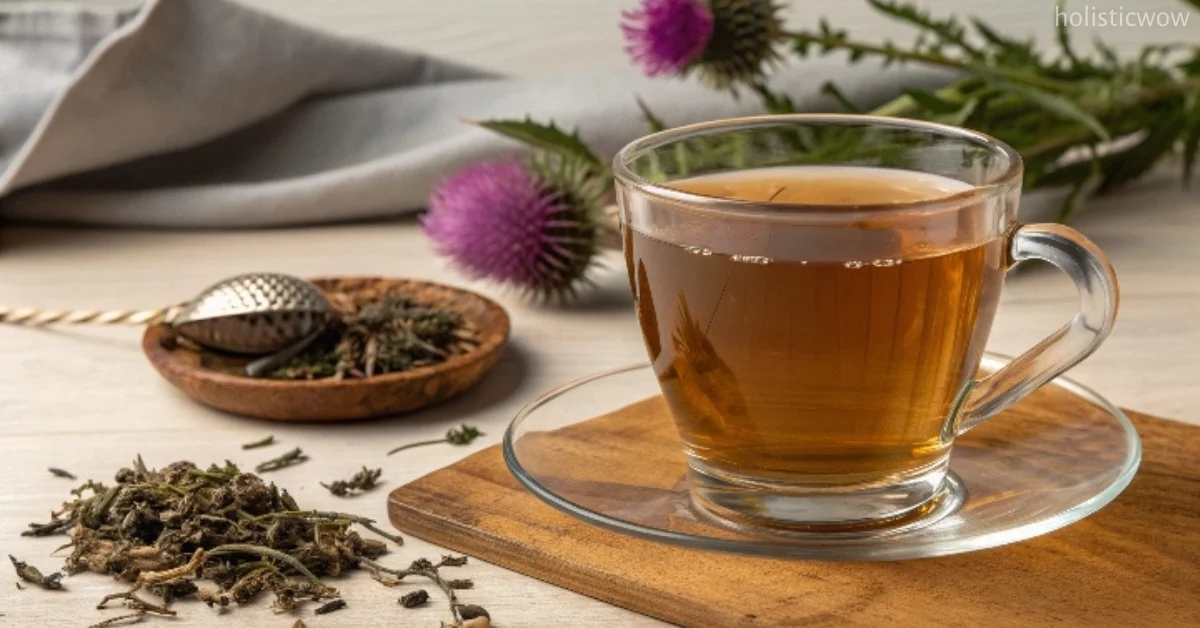
Milk Thistle Infusion for Liver Support
Ingredients:
- 1 teaspoon dried milk thistle seeds
- 1 cup boiling water
Preparation:
- Place the dried milk thistle seeds in a teapot or heatproof container.
- Pour boiling water over the seeds.
- Cover and steep for 10–15 minutes.
- Strain and drink warm.
Drink 1 cup daily, especially after alcohol consumption, to support healthy liver function.
This infusion harnesses the liver-supportive properties of milk thistle, which may promote detoxification and contribute to overall liver wellness following alcohol intake.
Warnings: Milk thistle is generally well tolerated but may cause mild digestive upset or allergic reactions in rare cases. If you have a history of allergies to plants in the daisy family, talk to your provider before using milk thistle. Consult your healthcare provider if you have liver or gallbladder disease, are pregnant, breastfeeding, or are taking prescription medications.
Liver Support Herbal Blend for Hangover Relief
Ingredients:
- 1 teaspoon dried milk thistle seeds
- 1 teaspoon dried dandelion root
- ½ teaspoon dried peppermint leaves
- ½ teaspoon dried chamomile flowers
- 1 cup boiling water
Preparation:
- Combine all the dried herbs in a teapot.
- Add boiling water and steep for 15 minutes.
- Strain and drink warm.
Drink 1 cup after alcohol consumption or as needed when experiencing hangover symptoms.
This herbal blend combines the liver-protective effects of milk thistle and dandelion with the soothing qualities of peppermint and chamomile, which may help ease nausea, calm digestion, and promote gentle recovery after drinking.
Warnings: Individuals with allergies to plants in the daisy family (such as dandelion and chamomile) should avoid this blend. Peppermint may aggravate reflux in some people. Consult a healthcare provider before use if you are pregnant, breastfeeding, taking medications, or have existing liver or gallbladder conditions.
These herbal preparations are intended to support well-being but should not replace conventional medical treatment for hangover symptoms. Always consult a healthcare provider before use, particularly if you have health conditions or take medications.