
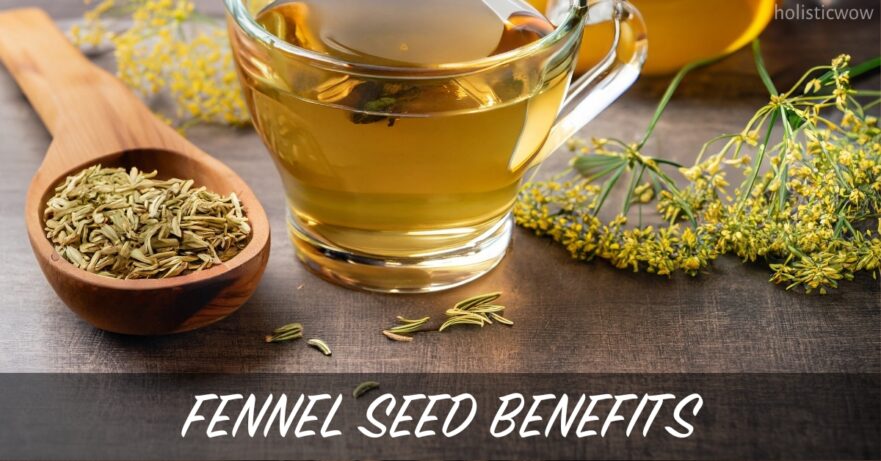
Fennel seeds are tiny powerhouses packed with nutrients and plant compounds that offer a range of health benefits—including better digestion, immune support, weight management, and relief from menstrual discomfort—making them a valuable addition to a healthy diet.
Key Takeaways
- 🌱 Nutrient Powerhouse: Fennel seeds are packed with vitamins, minerals, fiber, and antioxidants that help support your bones, heart, and immune system every day.
- 🩺 Gentle Digestive Support: Adding fennel seeds to your routine can naturally ease gas, bloating, and indigestion, making meal times more comfortable for the whole family.
- ⚖️ Weight and Blood Sugar Helper: Thanks to their high fiber content, fennel seeds help control appetite, keep you fuller longer, and regulate blood sugar—great for weight management and steady energy levels.
- 🌸 Women’s Wellness Aid: Fennel seeds may help with menstrual discomfort and support breastfeeding moms by gently boosting milk supply, although it’s always best to check with your healthcare provider first.
What Is the Nutritional Profile of Fennel Seeds?
Fennel seeds offer a rich nutritional profile with a mix of macronutrients, minerals, vitamins, dietary fiber, and antioxidants.
They contain protein, carbohydrates, and both essential and nonessential amino acids, contributing to balanced nutrition and supporting muscle maintenance.
These seeds provide important minerals such as calcium, iron, magnesium, phosphorus, potassium, sodium, zinc, copper, and manganese.
This broad mineral content can support bone strength and help maintain normal heart and nerve function.
They also offer vitamins like vitamin C, thiamine, riboflavin, niacin, and vitamin B6, which are essential for cellular metabolism and immune support.
Fennel seeds are a good source of dietary fiber, which helps support digestive health and promotes regular bowel movements.
Their high fiber content also may aid in weight management by increasing fullness after meals.
They are rich in antioxidants, including vitamin C, that help protect the body from oxidative stress and promote cellular health.
Most of these nutrients are essential and need to be consumed regularly for overall health.
The unique combination of protein, minerals, vitamins, dietary fiber, and antioxidants in fennel seeds supports immune function, metabolic health, bone strength, and cardiovascular health.
Including fennel seeds as part of a balanced diet is a flavorful and nutritious way to boost your intake of key nutrients and enhance your overall nutritional profile.
What Protective Plant Compounds Are Found in Fennel Seeds?
Fennel seeds contain several protective plant compounds that may contribute to their health-supporting properties.
Key compounds include anethole, chlorogenic acid, limonene, and quercetin, which work together to strengthen the body’s antioxidant defenses.
Anethole is the major active compound in fennel seeds and has antioxidant and anti-inflammatory properties, which may help support digestion and promote immune health.
It is also known to support hormonal balance and potentially ease discomfort during menstrual cycles.
Chlorogenic acid and quercetin are types of polyphenols that act as antioxidants.
These compounds help protect cells from damage caused by free radicals, and some studies suggest they may be linked to a lower risk of certain chronic conditions such as heart disease and type 2 diabetes, though more research is needed to confirm these links in humans.
Limonene is a natural compound found in the essential oils of fennel seeds and has demonstrated antioxidant effects, supporting the body in defending against oxidative stress.
Its presence may also contribute to anti-inflammatory and antimicrobial actions.
Overall, the combination of these protective plant compounds makes fennel seeds a flavorful way to support overall wellness and guard against cellular damage.
What Are the Health Benefits of Fennel Seeds?
Fennel seeds offer a range of health benefits due to their unique blend of nutrients and potent plant compounds.
They support digestive health by easing gas, bloating, and symptoms of indigestion, making them a popular choice for natural digestive support.
Fennel seed benefits also include supporting healthy respiratory function by helping the body clear mucus and fluids from the airways, though clinical evidence is limited.
Their antioxidant content helps protect cells from damage, while their anti-inflammatory action supports joint and tissue comfort.
Fennel seeds may help improve lactation in breastfeeding women, thanks to their galactagogue properties linked to the compound anethole.
However, more research is needed to confirm their effectiveness.
They may relieve menstrual cramps by helping reduce prostaglandin levels, which may lead to less severe uterine contractions and greater comfort during menstruation.
Fennel seeds’ antioxidants support immune function and may promote a healthy inflammatory response, contributing to overall wellness and enhanced infection defense.
Their antioxidant and anti-inflammatory properties also help support normal liver function and cardiovascular function, although more studies are needed to fully understand these effects.
Fennel seeds contain dietary fiber, which assists with appetite control and blood sugar regulation.
This supports weight management and helps maintain a lower glycemic index when included as part of a balanced diet, thereby contributing to better metabolic health.
With their natural antioxidant, anti-inflammatory, and antibacterial properties, fennel seeds can be a valuable addition to a healthy lifestyle, offering a variety of clinically relevant health benefits.
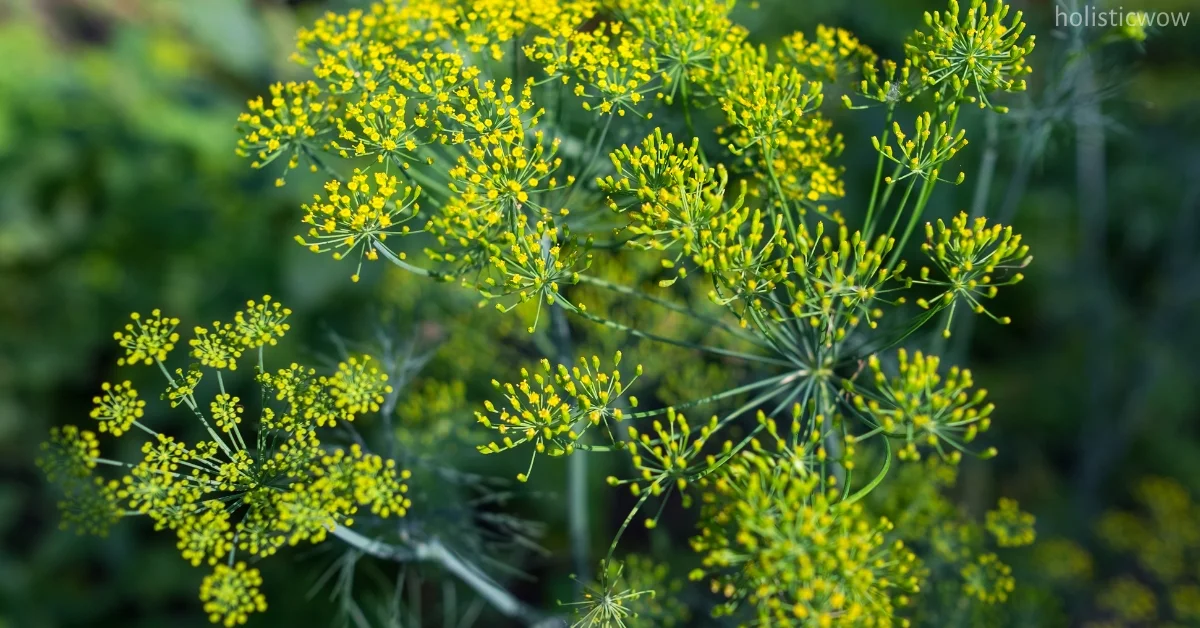
How Do Fennel Seeds Support Digestive Health?
Fennel seeds support digestive health by acting as a natural digestive aid and offering gentle digestive support.
The active compound anethole may help ease gas, bloating, and indigestion, especially when taken after meals, facilitating more comfortable digestion.
Fennel seeds could potentially relieve mild constipation due to their fiber content and plant compounds, which may have a mild laxative effect.
Dietary fiber in fennel seeds can promote regularity and prevent digestive discomfort by supporting normal bowel movements.
Their anti-inflammatory properties also help soothe the digestive tract and provide comfort for those with occasional digestive discomfort, protecting the lining of the intestines from irritation.
While more research is needed, some studies suggest fennel seeds may help reduce symptoms associated with inflammatory bowel conditions like irritable bowel syndrome (IBS), making them a versatile digestive support tool.
Traditionally, using fennel seeds after meals has been a popular way to encourage healthy and comfortable digestion, leveraging both digestive aid and anti-inflammatory benefits.
Can Fennel Seeds Aid in Weight Management?
Fennel seeds may aid in weight management by supporting appetite suppression and helping reduce overeating.
Their high dietary fiber content can increase feelings of fullness, leading to lower calorie intake during meals and better portion control.
In addition, fennel seeds have a low glycaemic index, which means they help maintain steady blood sugar levels and prevent sudden spikes in appetite.
This may help prevent fluctuations that can trigger cravings and lead to overeating, supporting long-term healthy eating habits.
The unique combination of fiber and plant compounds in fennel seeds can promote satiety and stabilize energy levels, making them a helpful addition to a balanced diet aimed at maintaining a healthy weight.
What Role Do Fennel Seeds Play in Lactation Support?
Fennel seeds are recognized for their potential role in lactation support by acting as a galactagogue, which means they may help increase breast milk supply in breastfeeding women.
The compound anethole found in fennel seeds may act similarly to estrogen and could potentially support the production of prolactin, the hormone involved in breast milk production.
These hormonal effects may enhance milk output and support breastfeeding mothers in meeting their infant’s nutritional needs.
Many women turn to fennel seed tea or fennel extract to help with low milk supply, often incorporating these options into their routine after consulting a healthcare provider.
How Do Fennel Seeds Help with Menstrual Cramps?
Fennel seeds may help reduce menstrual cramps by lowering levels of prostaglandins—chemicals in the body that trigger uterine muscle contractions.
Elevated levels of prostaglandins are associated with stronger, more painful cramps during menstruation, so normalizing these levels offers targeted symptom relief.
Fennel seeds contain plant compounds, including anethole, that have demonstrated anti-inflammatory properties, which may help ease discomfort.
By potentially reducing prostaglandin levels and inflammation, fennel seeds could lead to fewer and less intense uterine contractions, making menstrual periods feel more manageable and improving daily comfort.
Do Fennel Seeds Enhance Immune Function?
Fennel seeds may help support immune function due to their natural content of antioxidants and protective plant compounds like coumarins and flavonoids.
These compounds can help regulate immune activity and support the body’s natural defenses by reducing oxidative stress and inflammation—two factors that play a key role in maintaining a healthy immune system.
The antioxidants in fennel seeds, including vitamin C and polyphenols, may contribute to these effects by helping the body manage cellular damage and supporting overall immune health.
By strengthening the body’s defense systems, fennel seeds may reduce vulnerability to infections and promote faster recovery.
How Do Fennel Seeds Affect Respiratory Health?
Fennel seeds may support respiratory health by promoting the normal function of the respiratory tract.
Their benefits are linked to enhancing ciliary motility—meaning the tiny hair-like structures in the airways move more effectively to help clear mucus and fluids.
This action supports easier breathing and helps maintain clear airways.
The volatile oils in fennel seeds may also support the normal contraction and relaxation of the trachea muscles, which can aid in effective coughing and help relieve minor airway irritation.
These actions contribute to healthy respiratory function and may offer mild anti-inflammatory effects, helping reduce throat irritation and support lung health.
What Impact Do Fennel Seeds Have on Liver Function?
Fennel seeds may help support liver function by protecting liver cells from oxidative damage.
Their natural antioxidant properties can help neutralize free radicals—unstable molecules that may contribute to cell injury and impair liver performance.
In addition, certain compounds in fennel seeds may assist the liver’s detoxification processes, potentially supporting the body’s ability to process and eliminate toxins more efficiently.
These antioxidant and protective benefits help maintain long-term liver health and promote effective metabolic function.
Can Fennel Seeds Improve Cardiovascular Health?
Fennel seeds may help support cardiovascular function by providing dietary fiber, which can help lower cholesterol levels.
Lower cholesterol may reduce the risk of heart disease over time, supporting the maintenance of healthy blood vessels.
They also contain antioxidants, which may help protect blood vessels by reducing oxidative stress.
This can potentially limit damage to blood vessel walls and support healthy blood flow, while anti-inflammatory actions may further strengthen cardiovascular health.
What Antioxidant Properties Do Fennel Seeds Have?
Fennel seeds are recognized for their strong antioxidant properties.
They contain high levels of flavonoids, polyphenols, and vitamin C, which may help protect the body from oxidative stress caused by free radicals that can damage cells and tissues.
These antioxidants may also help support a healthy inflammatory response and help maintain overall cell health.
Regular intake of fennel seeds can contribute to reducing the risk of chronic diseases linked to oxidative stress, enhancing overall wellness and longevity.
How Do Fennel Seeds Exhibit Anti-inflammatory Benefits?
Fennel seeds provide anti-inflammatory benefits by delivering plant compounds that may help lessen inflammation in the body.
The primary active constituent, anethole, is thought to work by influencing certain inflammatory pathways in the body, which could potentially aid in managing inflammatory conditions.
By modulating inflammation, fennel seeds may help improve joint comfort, support tissue healing, and provide relief for conditions characterized by excessive inflammation.
Do Fennel Seeds Have Anti-bacterial Properties?
Fennel seeds have antibacterial properties because they contain natural antimicrobial compounds that may help inhibit the growth of certain bacteria.
These properties suggest that fennel seeds could potentially support the body’s defenses and promote overall immune function, making them a helpful addition to a healthy lifestyle.
Their antibacterial actions may also contribute to better oral health and support gastrointestinal balance.
How Do Fennel Seeds Affect Glycaemic Index?
Fennel seeds may help regulate the glycaemic index of meals by slowing the absorption of sugar into the bloodstream.
This effect is primarily due to their dietary fiber content, which can delay the breakdown and absorption of carbohydrates.
As a result, fennel seeds may contribute to a more gradual rise in blood glucose after eating, which can help maintain more stable blood sugar levels and may support weight management.
Including fennel seeds in meals can thus help reduce the risk of blood sugar spikes and support metabolic health.
Herbal Preparations and Recipes for Digestive Health
Fennel seeds are well-known for their ability to support digestive health. They can help ease gas, bloating, and indigestion, making them a valuable addition to your herbal remedies. The following recipes utilize fennel seeds to promote digestive comfort and overall wellness.
Always consult a healthcare provider before starting any new herbal regimen, particularly if you have existing health conditions or are taking medications.
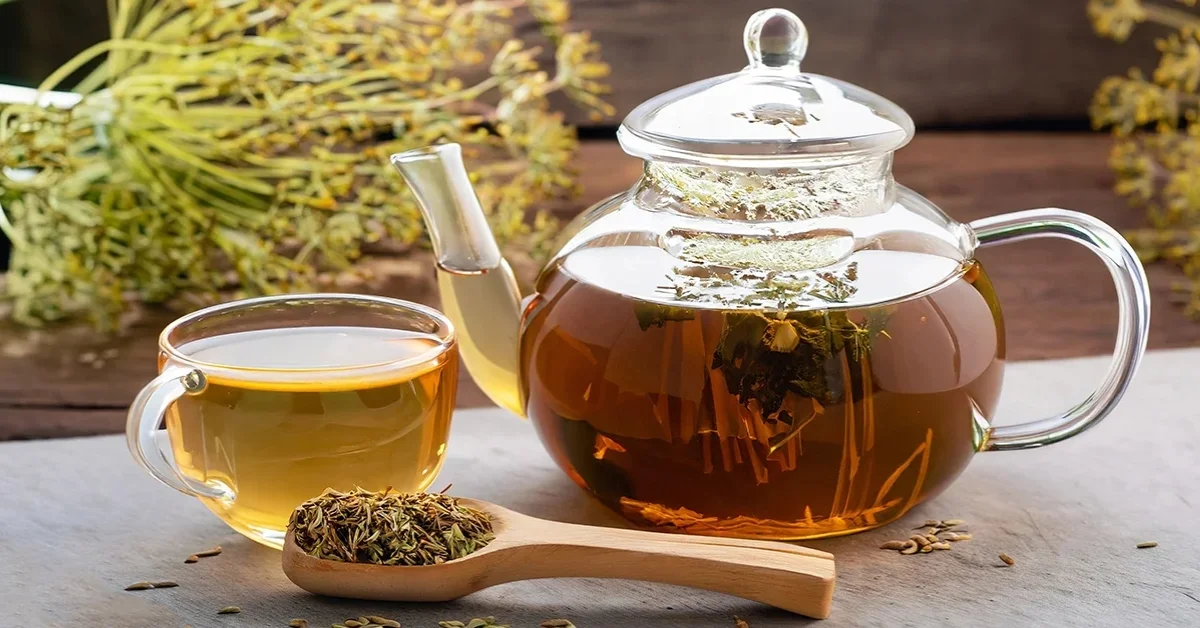
Soothing Fennel Seed Tea
Ingredients:
- 1 teaspoon whole fennel seeds
- 1 cup boiling water
Preparation:
- Place the fennel seeds in a teapot or cup.
- Pour boiling water over the seeds.
- Cover and steep for 10 minutes.
- Strain and drink warm.
Drink 1–2 cups daily, preferably after meals.
This simple tea harnesses the digestive benefits of fennel seeds, helping to alleviate mild discomfort, gas, and promote healthy digestion.
Warnings: Fennel seeds are generally safe for most adults, but may cause allergic reactions in rare cases. Use with caution if pregnant, breastfeeding, or if you have hormone-sensitive conditions. Discontinue use if you notice any side effects and consult your healthcare provider.
Digestive Harmony Herbal Blend
Ingredients:
- 1 teaspoon whole fennel seeds
- 1 teaspoon dried peppermint leaves
- 1 teaspoon dried chamomile flowers
- 1 teaspoon dried ginger root
- 1 cup boiling water
Preparation:
- Combine all the herbs in a teapot or infuser.
- Add boiling water to the mixture.
- Cover and steep for 15 minutes.
- Strain and drink warm.
Drink 1 cup after meals, up to three times daily as needed.
This herbal blend combines fennel, peppermint, chamomile, and ginger to help ease digestive discomfort, soothe bloating, support relaxation, and promote overall digestive well-being.
Warnings: Peppermint may cause heartburn or worsen symptoms in people with acid reflux. Chamomile can trigger allergic reactions, especially if you are sensitive to plants in the daisy family. Ginger is typically safe but may cause mild digestive upset if used in high amounts. Use caution with all ingredients if pregnant, breastfeeding, have chronic health conditions, or are taking regular medications. Discontinue use and seek medical advice if you experience any unusual symptoms.
These herbal preparations are designed to support digestive health but should not replace medical treatment. Consult a healthcare provider before use, especially if you have health conditions or take medications.