

Fennel seed tea is a naturally caffeine-free herbal beverage made from crushed fennel seeds, prized for its sweet licorice flavor and traditional use in soothing digestion and easing discomfort. Enjoyed for both its unique taste and potential health benefits, this gentle tea fits into a variety of diets and home remedy routines.
Key Takeaways
- 🌱 Natural Digestive Support: Fennel seed tea is a gentle herbal option that may help soothe bloating, ease indigestion, and support overall digestive health, making it especially useful to enjoy after meals.
- 😌 Comfort for Women’s Health: This tea may help relieve menstrual discomfort and mild cramping thanks to its muscle-relaxing effects, but should be used cautiously by individuals with hormone-sensitive conditions or during pregnancy.
- ⚖️ Safe Use and Precautions: While fennel seed tea is generally safe for most adults, those with allergies to carrots or related plants, certain hormone-related health issues, or who are pregnant should consult a healthcare provider before drinking it regularly.
- 🍵 Simple, Flavorful Preparation: Fennel seed tea is easy to prepare with crushed seeds and boiling water, featuring a naturally sweet, licorice-like taste—enjoy it on its own or with a touch of honey or ginger for added flavor and wellness benefits.
What Is Fennel Seed Tea?
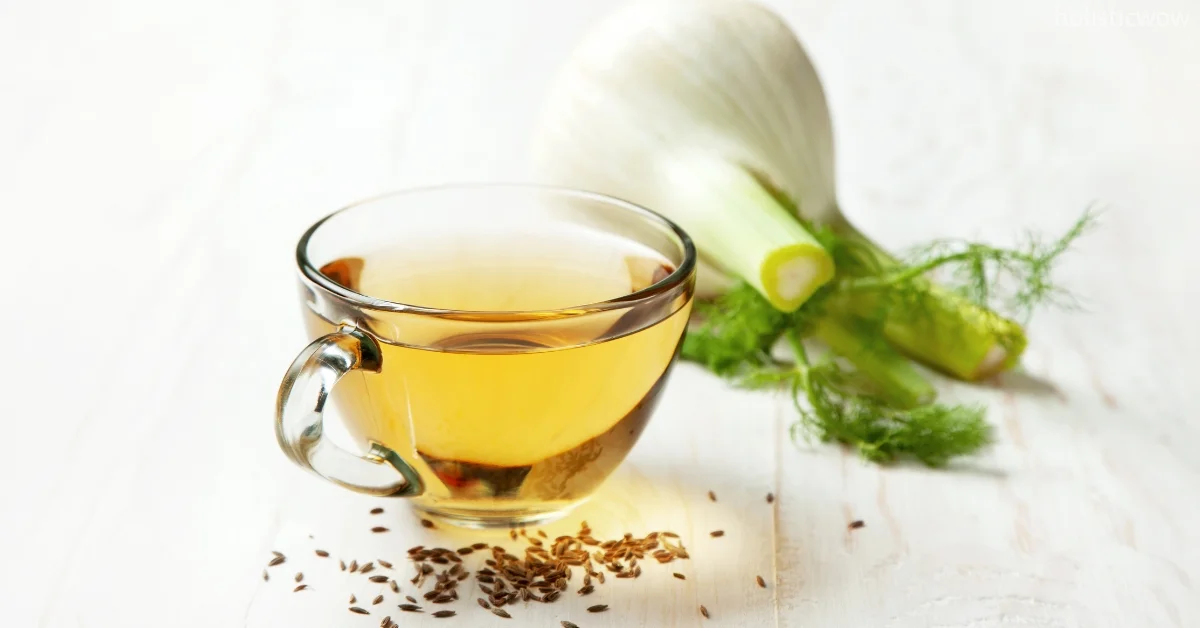
Fennel seed tea is a caffeine-free herbal tea made by steeping crushed fennel seeds, which come from the fennel plant native to the Mediterranean region.
Its distinctive licorice-like flavor comes from a natural compound called anethole found in the seeds.
This soothing tea is valued in traditional medicine and may offer several potential health benefits.
Traditionally, it’s used to help support digestion, ease menstrual discomfort, promote gastrointestinal health, soothe the stomach after a heavy meal, and help freshen breath, although scientific evidence for some of these uses is limited.
vegan, gluten-free, and aligns with the principles of the Mediterranean diet.
Its simple preparation and natural ingredients make it a comforting and accessible herbal option for everyday wellness.
relief for mild digestive upset and supports digestive wellness, making it an easy addition to a balanced health routine.
What Is the Flavor Profile of Fennel Seed Tea?
Fennel seed tea has a sweet, licorice-like flavor, which comes mainly from anethole, a natural essential oil found in fennel seeds.
smooth and earthy with strong sweet licorice notes, making it distinct from most herbal teas.
Many people also notice a mild herbal undertone along with the sweetness.
Because it’s naturally caffeine-free, fennel seed tea can be a soothing herbal option, especially in the evening or after meals.
The tea’s unique flavor can help provide a calming sensory experience while sipping.
honey or ginger can enhance or complement the natural taste, bringing out its smooth earthy flavor even more.
This delicious herbal remedy also doubles as a palatable way to support daily hydration.
How Is Fennel Seed Tea Prepared?
Fennel seed tea is made using simple ingredients and easy methods.
crushing fresh fennel seeds to release their essential oils, which may enhance both aroma and taste.
Place the crushed seeds in a tea ball, teapot, or empty tea bag.
Use about 1 to 2 teaspoons of fennel seeds for each cup of tea.
For best results, pour boiling water over the seeds and let the tea steep for 5 to 10 minutes.
steeping time can affect the flavor intensity—longer steeping brings out a stronger taste.
Strain the seeds out before drinking.
As a brewing tip, you can add optional ingredients like honey or ginger to the recipe for added flavor and soothing effects.
This preparation technique ensures the maximum release of beneficial compounds into your cup.
What Are the Health Benefits of Fennel Seed Tea?
diverse health benefits and is commonly used as a digestive aid, helping to support gastrointestinal health and ease discomfort.
may help relieve bloating, gas, and indigestion, and could potentially offer period pain relief by relaxing muscles and reducing cramping for some individuals.
Some studies suggest it may support blood sugar regulation, though more research is needed to confirm these effects.
Fennel seed tea also has compounds with antimicrobial effects in laboratory studies, which may help the body fight off certain bacteria.
In addition, it contains antioxidants that help protect cells from damage caused by free radicals.
Regular consumption may help support your immune system, promote general wellness, and contribute to your daily intake of plant-based antioxidants.
What Are the Medicinal Uses of Fennel Seed Tea?
Fennel seed tea is valued in traditional medicine for its distinct medicinal uses.
commonly consumed to help relieve menstrual cramps, support healthy digestion, and has been studied for its potential to influence blood sugar levels, although strong evidence in humans is lacking.
In addition, fennel seed tea’s natural antimicrobial properties have been demonstrated in test tube studies, but their effects on human immune response are not fully established.
Its digestive properties and soothing effects make it a popular choice in many wellness routines.
may offer gentle support for digestive comfort and act as a natural herbal remedy for minor seasonal illnesses.
How Does Fennel Seed Tea Support Digestion?
Fennel seed tea supports digestion by relaxing the smooth muscles of the gastrointestinal tract, which may help relieve common digestive issues and promote comfort after meals.
reduce gas, relieve bloating, ease indigestion, and support overall gastrointestinal health.
Fennel seed tea may also help reduce mild muscle spasms in the gut and can act as a gentle, natural remedy for occasional constipation.
can be an excellent complement to a gut-friendly dietary routine by supporting natural digestive processes.
What Are the Antioxidant Properties of Fennel Seed Tea?
valued for its antioxidant properties, which may help protect cells by neutralizing free radicals and reducing oxidative stress.
These antioxidants contribute to the nutritional benefits of fennel seed tea and may support overall health by helping to minimize cell damage; however, the effect on chronic disease prevention in humans is not fully established.
Drinking this tea is a flavorful way to add natural antioxidants to your day, delivering plant-based compounds that work to bolster cellular defense mechanisms.
Regular inclusion of antioxidant-rich beverages like fennel seed tea can be a simple strategy for supporting your body against everyday oxidative challenges.
What Are the Antimicrobial Properties of Fennel Seed Tea?
Fennel seed tea is known for its antimicrobial properties, which means it may help the body fight off certain infections.
These effects are linked to natural compounds in fennel seeds, such as anethole.
fennel seed extracts have antibacterial and antiviral effects, but direct evidence for these benefits in humans through tea consumption is limited.
Used in traditional medicine for centuries, fennel seed tea continues to be valued as a gentle herbal remedy that may help promote overall wellness.
potential antibacterial and antiviral support offered by this herbal tea makes it a popular choice for those seeking a natural way to enhance their immune defenses.
How Does Fennel Seed Tea Affect Blood Sugar Levels?
may help with blood sugar regulation.
Compounds found in fennel seeds—especially anethole—have shown potential to support lower blood sugar levels in some animal and laboratory studies.
While these findings suggest possible health benefits, current research in humans is limited, and more studies are needed to confirm how effective fennel seed tea is for managing blood sugar.
Still, it can be a flavorful option to include as part of a balanced diet, depending on your dietary preferences.
supporting metabolic health or maintaining steady energy may find this herbal tea a beneficial addition to their wellness habits.
What Are the Estrogenic Effects of Fennel Seed Tea?
known for its estrogenic effect, meaning it contains compounds with estrogen-like properties that may influence hormone levels in the body.
Because of this, fennel tea could potentially affect reproductive health and hormonal balance.
Due to its hormonal activity, fennel seed tea is not recommended during pregnancy, as it may interfere with natural hormone regulation.
It may also interact with certain medications, so it’s a good idea to talk with your healthcare provider before using it regularly.
used with caution by individuals with hormone-sensitive health conditions, such as certain types of breast or ovarian cancer.
For those considering herbal options for women’s health, understanding its potential impact on hormone levels is important before adding it to your dietary routine.
How Can Fennel Seed Tea Relieve Period Pain?
Fennel seed tea may help with period pain relief by relaxing the uterine muscles and easing the spasms that cause menstrual cramps.
muscle-relaxing and possible anti-inflammatory properties, which could potentially reduce the discomfort associated with dysmenorrhea.
As a natural remedy, fennel seed tea offers a gentle option that may support menstrual comfort for some individuals.
herbal option valuable for its soothing and calming effects.
How Does Fennel Seed Tea Affect Breast Milk Production?
fennel seed tea has a long-standing reputation in traditional medicine as a galactagogue, which means it may help support breast milk production in postpartum mothers.
Some small studies and traditional use suggest that fennel seed tea could potentially increase milk supply, but clinical research is limited and results can vary from person to person.
More rigorous research is needed to confirm its effectiveness and safety for both mothers and babies.
may offer a plant-based way to enhance milk supply, but always consult with a healthcare provider first.
Can Fennel Seed Tea Help with Colic in Infants?
Fennel seed tea is sometimes recommended as a natural herbal remedy for colic in infants.
antispasmodic and soothing properties may help relax the digestive system and could potentially reduce symptoms of colic.
However, while fennel tea may act as a gentle digestive aid, it’s important to consult a pediatrician before giving it to an infant, as safety and appropriate dosing need to be carefully considered.
Giving herbal teas directly to infants is not universally recommended due to safety concerns; always consult your child’s healthcare provider before use.
valued for its traditional role in easing digestive discomfort, but parental guidance and medical supervision are crucial for infant care.
Is Fennel Seed Tea Safe for Everyone?
Fennel seed tea is generally safe for most adults when consumed in moderate amounts.
not recommended for pregnant individuals, those with allergies to plants in the carrot or parsley family, or individuals with hormone-sensitive conditions such as breast or ovarian cancer.
If you take medications or have health concerns, it’s a good idea to talk with your healthcare provider before using fennel seed tea, as it could potentially interfere with certain medications.
Always check for possible allergies and consider your personal health history when deciding if fennel seed tea is right for you.
safe and enjoyable beverage for the majority, but paying attention to individual risk factors and medication interference is essential for wellness.
What Are the Potential Side Effects of Fennel Seed Tea?
Potential side effects of fennel seed tea include allergic reactions and hormone-related risks.
People who are allergic to fennel or related plants, such as celery or carrots, may experience symptoms like rash, itching, or swelling.
Because fennel has an estrogenic effect, it may not be safe for individuals who are pregnant or have hormone-sensitive conditions, such as certain types of breast cancer.
It’s best to consult a healthcare provider before using fennel seed tea in these cases.
may also interfere with certain medications, so if you’re taking prescription drugs, it’s a good idea to check with your doctor or pharmacist to ensure safety.
This herbal option generally carries a low risk for healthy adults and can be a beneficial addition to daily routines when consumed appropriately.
Herbal Preparations and Recipes for Digestive Wellness
Herbal remedies can support digestive health by easing discomfort, reducing bloating, and promoting overall gastrointestinal function. Fennel seed tea is particularly valued for its ability to relax the digestive tract and alleviate mild digestive issues. The following recipes utilize fennel and other complementary herbs to enhance digestive comfort.
Always consult a healthcare provider before starting any new herbal regimen, especially if you have existing health conditions or are taking medications.
Soothing Fennel Seed Tea
Ingredients:
- 1 to 2 teaspoons crushed fennel seeds
- 1 cup boiling water
Preparation:
- Place the crushed fennel seeds in a tea ball, teapot, or empty tea bag.
- Pour boiling water over the seeds.
- Let steep for 5 to 10 minutes, depending on your taste preference.
- Strain out the seeds before drinking.
Drink 1 to 2 cups daily, especially after meals, to support digestion and relieve mild digestive discomfort.
This gentle fennel tea may help ease bloating, reduce gas, and promote smoother digestion, making it well-suited for mild post-meal discomfort or occasional indigestion.
Warnings: Fennel may cause allergic reactions in some individuals, particularly those allergic to plants in the carrot family. Pregnant women should consult a healthcare provider before using fennel in medicinal amounts. Discontinue use and seek care if you have persistent digestive symptoms, swelling, rash, or difficulty breathing.
Digestive Harmony Herbal Blend
Ingredients:
- 1 teaspoon crushed fennel seeds
- 1 teaspoon dried peppermint leaves
- 1 teaspoon dried chamomile flowers
- ½ teaspoon dried ginger root
- 1 cup boiling water
Preparation:
- Combine all the herbs in a teapot.
- Add boiling water and steep for 10 minutes.
- Strain the mixture before drinking.
Consume 1 cup of this herbal blend 1 to 2 times daily to promote digestive comfort and reduce bloating.
This combination may help ease indigestion, soothe mild stomach upset, and relax the digestive system, providing gentle relief from occasional discomfort or gas.
Warnings: Peppermint may worsen acid reflux in some people. Chamomile can cause allergic reactions in individuals sensitive to plants in the daisy family. Ginger may interact with blood-thinning medications. Fennel may cause allergic reactions in people allergic to the carrot family. If pregnant, breastfeeding, or on medication, consult your provider before regular use. Discontinue use if you experience adverse reactions.
These herbal preparations are meant to complement, not replace, conventional treatments for digestive concerns. Consult a healthcare provider before use, especially if you have existing health conditions or are taking medications.