
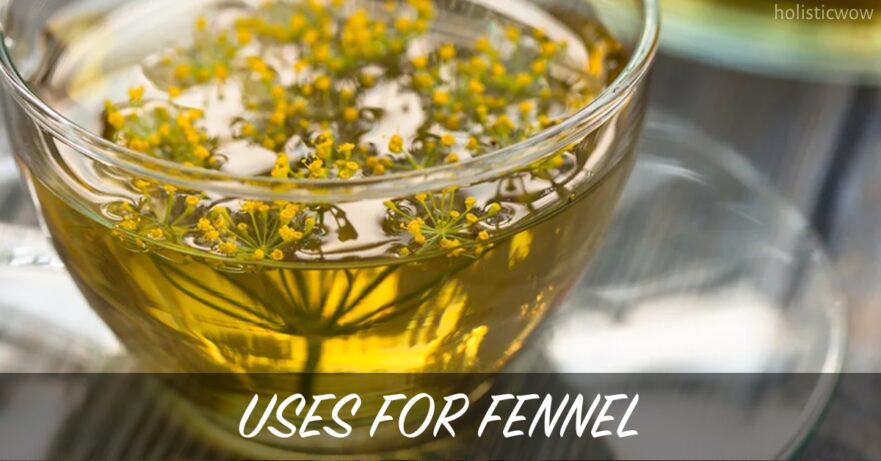
Fennel is a versatile vegetable prized for its unique flavor and the ability to use every part—bulb, stalks, fronds, and seeds—in a wide variety of culinary and health applications, from soups and salads to herbal remedies and food waste reduction.
Key Takeaways
- 🥗 All Parts Are Edible and Useful: You can eat the bulb, stalks, and fronds of fennel, each adding unique flavor and nutrients to your meals, which helps make the most of the entire plant and reduce food waste.
- 👩🍳 Versatility in the Kitchen: Fennel’s crunchy texture and mild anise flavor work well both raw and cooked, so you can use it in salads, soups, main dishes, desserts, and even as a seasoning to freshen up many recipes.
- 💪 Supports Digestive and Overall Health: Fennel is packed with fiber, antioxidants, and vitamins that aid digestion, help manage bloating or gas, and support heart and immune health.
- 🌱 Easy to Incorporate for Healthy Eating: From juicing to herbal teas, adding fennel to your diet is simple and brings natural digestive relief and extra nutrients to your daily routine.
What Parts of Fennel Are Edible?
The fennel plant features three main edible parts: the bulb, the stalks, and the fronds.
The bulb is known for its crunchy texture and mild anise-like flavor.
The stalks are also edible and are often used in stocks, soups, or as a vegetable in sautéed or braised fennel recipes.
The feathery fronds act like fresh herbs, perfect for garnishing or adding a subtle, herbaceous flavor to dishes.
Using all edible parts of fennel not only adds variety to your meals but also helps reduce food waste by making full use of the plant.
Each component contains unique phytonutrients that support digestive health and overall wellness.
Incorporating all parts of fennel allows you to benefit from its fiber-rich content and natural antioxidants.
Each component offers its own taste and culinary use, making fennel a highly versatile ingredient in the kitchen.
What Are the Culinary Uses for Fennel?
Fennel is a versatile ingredient used in a wide range of culinary applications, both savory and sweet.
Its crisp texture and mild anise flavor make raw fennel a refreshing addition to salads and slaws—especially in a classic fennel salad.
When cooked, fennel becomes tender and develops a naturally sweet flavor, allowing it to enhance complex flavors in pasta and main dishes.
This makes it ideal for various cooking techniques, such as roasting, sautéing, or braising.
Sautéed fennel works well as a flavorful base for stews or pasta dishes, while roasted fennel pairs beautifully with chicken, fish, or seafood, adding depth and a slightly caramelized sweetness to main courses.
Because fennel blends easily with both meats and vegetarian recipes, it supports a flexible approach to healthy eating.
Whether raw or cooked, fennel’s adaptability allows it to enhance a variety of dishes, making it a valuable ingredient in everyday cooking.

What Are the Cooking Techniques for Fennel?
Fennel supports a diverse range of cooking methods that highlight its unique flavor and texture in various dishes.
Raw fennel is often thinly sliced for salads, adding a crunchy texture with a mild anise-like flavor.
Roasted fennel, prepared in the oven, brings out its natural sweetness and creates caramelized edges that enhance its depth of flavor.
Sautéed fennel, especially when cooked with other vegetables or aromatics, softens the bulb and allows its flavor to blend smoothly with other ingredients.
Braising fennel in a flavorful liquid like wine or vegetable broth results in a tender, silky texture and mellows its anise notes, making it a comforting addition to warm dishes.
Fennel can also be featured in homemade vegetable broth, adding complexity and subtle sweetness.
These cooking methods allow for the retention of sensitive nutrients and increase the vegetable’s appeal in both light and hearty meals.
Each of these cooking methods brings out different qualities in fennel, making it a versatile ingredient in both light and hearty meals.
How Can Fennel Be Used as a Seasoning?
Fennel acts as a versatile seasoning in both home kitchens and professional cooking.
Fennel seeds, known for their strong anise flavor, are the most common form used for seasoning.
These seeds can be sprinkled over roasted vegetables, baked into breads, incorporated into marinades for meats, or added to spice blends to enhance flavor.
Fennel pollen provides an even more intense and aromatic fennel flavor, making it a prized ingredient for adding depth to dishes.
Its concentrated anise flavor can elevate everything from grilled meats to vegetable sides.
By using fennel in seasoning, you add layers of aromatic flavor compounds that may aid digestion.
Fennel’s essential oils can bring out subtle sweetness in baked dishes and even help balance rich foods with a naturally refreshing taste.
How Can Fennel Be Used in Salads?
Fennel adds crunch and a mild anise flavor to salads, especially when the bulb is thinly sliced.
Raw fennel works well with mixed greens, arugula, or spinach, creating a refreshing and crisp fennel salad.
The bulb’s texture stands out in slaws or when shaved into ribbons for a unique base.
Fennel fronds can also be used as fresh herbs, adding a light, aromatic garnish to your dish.
Combining fennel with citrus or nuts in salads offers a boost of vitamin C and antioxidants.
Roasting fennel brings out a sweet and slightly caramelized note, making it a flavorful addition to grain salads like quinoa or farro.
Roasted fennel offers a softer texture and deeper flavor, which can complement both warm and cold salad recipes.
Both raw and roasted fennel contribute to the overall versatility and appeal of healthy salad options.
How Can Fennel Be Used in Desserts?
Fennel can add its distinct anise flavor to fruit-based recipes or create unique sweet dishes.
It pairs especially well in fruit compotes, such as strawberry-rhubarb compote, because its taste can enhance and balance the natural sweetness.
Including fennel in desserts can introduce a new layer of herbal freshness, making sweets more memorable.
Fennel can also be incorporated into fennel ice cream, giving a distinctive herbal note to dessert.
Its aromatic qualities can serve as a gentle palate cleanser after meals.
These creative uses highlight the versatility of fennel in desserts and how its anise flavor can bring a refreshing twist to traditional sweet recipes.
What Are the Benefits of Using Fennel in Juicing?
Fennel in juicing adds a distinctive flavor and may help support digestive health.
Juicing fennel bulb, stalks, or fronds offers hydration because fennel is high in water content.
This juice can provide dietary fiber—especially when the pulp is included—which may help maintain regular digestion.
Drinking fennel juice supplies a source of natural antioxidants, which help combat oxidative stress.
Fennel juice also contains vitamin C and vitamin A, which support immune function and eye health.
Adding fennel to juices offers a unique, refreshing taste and enriches the beverage with valuable nutrients that may aid in nutrient absorption.
What Are the Health Benefits of Fennel?
Fennel offers a range of health benefits due to its nutrient profile and bioactive compounds.
It provides antioxidants, which can help reduce inflammation in the body and protect cells from damage.
Fennel is a good source of dietary fiber, supporting healthy digestion and helping to keep bowel movements regular.
With its potassium content, fennel may help maintain normal blood pressure and support proper heart function, contributing to overall cardiovascular health.
This vegetable also offers vitamin C to boost immune health and can act as a natural anti-inflammatory agent.
Including fennel in your diet can provide gentle relief from digestive discomfort while supporting overall wellness.
How Is Fennel Used in Herbal Remedies?
Fennel is widely valued in herbal remedies for its potential to support digestion and help reduce bloating or gas.
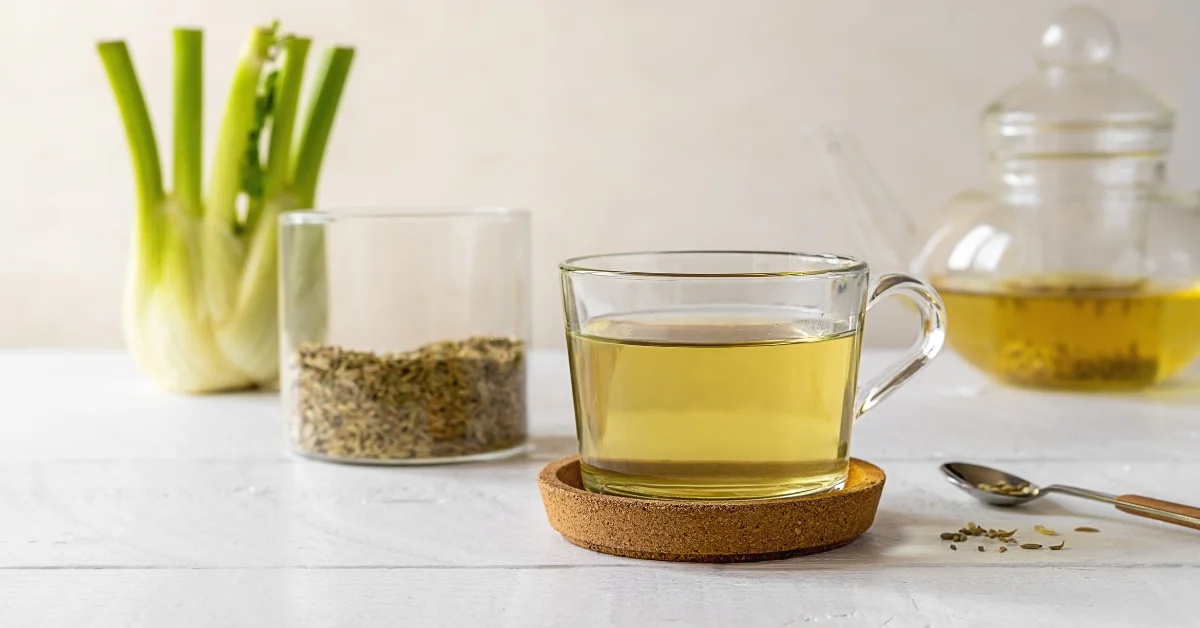
Fennel tea, made by steeping crushed or whole fennel seeds in hot water, may help relax digestive muscles and ease mild gastrointestinal discomfort.
The essential oils in fennel tea offer soothing effects for an unsettled stomach.
Chewing fennel seeds after meals can freshen breath and may also support digestion by reducing feelings of fullness or gas.
Traditional herbalists sometimes use fennel to provide relief from mild cramping, making it a gentle, multipurpose addition to the natural medicine cabinet.
How Can Fennel Help in Food Waste Reduction?
Fennel supports food waste reduction by offering multiple edible parts—the bulb, stalks, and fronds—that can all be used in cooking.
By incorporating each part into meals, fennel promotes sustainability in the kitchen and helps minimize organic waste.
Utilizing the whole plant can also contribute to a healthier diet by exposing you to a wider variety of plant nutrients.
Using the entire plant also encourages creative ways of preserving herbs and vegetables, making the most of your ingredients and reducing the need to throw anything away.
This practice fosters eco-friendly habits and helps maximize culinary creativity in everyday cooking.
Herbal Preparations and Recipes for Digestive Health
Fennel is well-known for its ability to support digestive health, helping to relieve bloating, gas, and mild gastrointestinal discomfort. The following recipes utilize fennel and other beneficial herbs to promote digestive wellness.
Always consult a healthcare provider before starting any new herbal regimen, particularly if you have existing health conditions or are taking medications.
Soothing Fennel Tea
Ingredients:
- 1 teaspoon fennel seeds
- 1 cup boiling water
Preparation:
- Place fennel seeds in a teapot or cup.
- Pour boiling water over the seeds.
- Cover and steep for 10 minutes.
- Strain and drink warm.
Drink 1–2 cups daily, preferably after meals, for digestive support.
This simple tea harnesses the digestive benefits of fennel seeds, which may help relax digestive muscles, ease bloating, and soothe mild stomach discomfort.
Warnings: Fennel seeds are well-tolerated by most adults, but rare allergic reactions are possible. Avoid use if you have a known allergy to fennel or related plants. Consult your healthcare provider if you are pregnant, breastfeeding, or take prescription medications.
Digestive Harmony Herbal Blend
Ingredients:
- 1 teaspoon fennel seeds
- 1 teaspoon dried peppermint leaves
- 1 teaspoon dried chamomile flowers
- ½ teaspoon dried ginger root
- 1 cup boiling water
Preparation:
- Combine all herbs in a teapot or cup.
- Pour boiling water over the herbs.
- Cover and steep for 15 minutes.
- Strain and drink warm.
Drink 1 cup after meals, up to three times daily, as needed for digestive comfort.
This herbal blend brings together fennel, peppermint, chamomile, and ginger, which may help reduce gas, soothe the stomach, support digestion, and ease bloating for overall digestive harmony.
Warnings: Ginger may cause heartburn or digestive upset in some individuals, and rare allergic reactions can occur with chamomile or peppermint, especially if you are sensitive to plants in the mint or daisy families. Avoid this blend if you are allergic to any of the ingredients, and consult your healthcare provider before use if you are pregnant, breastfeeding, have chronic health conditions, or take prescription medications.
These herbal preparations are intended to gently support your digestive health and comfort. Always consult a healthcare provider before use, especially if you have health conditions or are taking medications.